
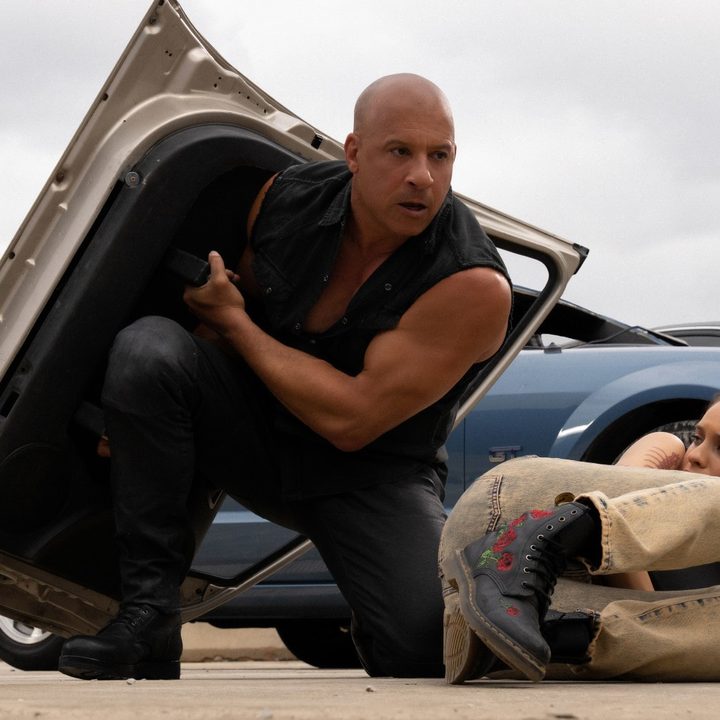
Hollywood runs on franchises. It has for decades now. Quick, how many times this century has the highest-grossing movie of the year been a sequel, a prequel, or part of a so-called shared universe? It would be easier to count the times it hasn’t been: Since the turn of the millennium, we’ve seen only half a dozen originals rise to the top of the annual box office.
Of course, 2023 belongs to one of them: Barbie, the post-modern toy-commercial comedy that dominated attention spans, headlines, and the global multiplex. Together with its gray-slate opposite number, Oppenheimer, Greta Gerwig’s film struck a blow for non-franchise (or at least franchise-launching) fare. And so did other huge hits like The Super Mario Bros. Movie, Five Nights at Freddy’s, and the regrettable culture-war curiosity Sound of Freedom. All did big business without a number — actual or just implied — on the end of their titles.
This is good news for audiences eager for something at least nominally new, and not such good news for a Hollywood machine all-in on the assumption that the familiar is what everyone craves. While franchises still largely dominated the box-offices charts this year (Barbenheimer aside), they also underperformed left and right, losing money for their studios. A stark reality has emerged in the clearing smoke of 2023: Hollywood has a sequel problem, and it’s sending ripples of panic through a town suddenly aware that its safest bets aren’t so safe anymore.
For a while, it was possible to wonder if this was just a superhero problem. Much ink has already been spilled on the very bad year Marvel and DC experienced — the latter coughing out costly flops like Shazam: Fury of the Gods and The Flash, the former suffering the first true dents in its armor with Ant-Man and the Wasp: Quantumania and especially The Marvels. Were audiences just finally getting tired of capes and cowls?

But beyond the specter of “superhero fatigue,” more returns diminished. After headlining the biggest hit of last year, Tom Cruise couldn’t repeat that feat with Mission: Impossible—Dead Reckoning Part One — a big enough disappointment to inspire Paramount to consider renaming the already-in-production cliffhanger resolution. Indiana Jones and the Dial of Destiny made less than any of its predecessors, even the ones released in the ’80s. Transformers: Rise of the Beasts failed to reignite interest in its Hasbro heroes. Fast X did fine, but not for what it cost. Most recently, producers discovered a less-than-massive demand for The Hunger Games without Jennifer Lawrence.
Have these franchises simply run their courses? Once upon a time, that was the natural order of things: Hollywood would milk a title for all it was worth, then cut its losses when audience interest waned. Unless we’re talking about James Bond or Godzilla, no series should ever be expected to deliver forever. But the enduring success of the Marvel model (now finally in apparent decline after 15 years of cultural dominance) broke a lot of brains. It’s left producers with a misguided faith in indefinite popularity — a delusion reflected in the constant attempts to make legacy sequels from franchises audiences moved on from ages ago, and line up prequels to stories that reached their natural conclusions.
A healthy movie ecosystem, one built on a spectrum of budgets, could shoulder some failures. But we’re living in an era when the studios increasingly put all their eggs in just a few baskets. The current model is fewer movies at bigger budgets. When Indiana Jones fails, he threatens to take the whole infrastructure with him. And the $700 million Dominic Toretto and his family cleared globally this year only looks insufficient because the damn movie cost half that.
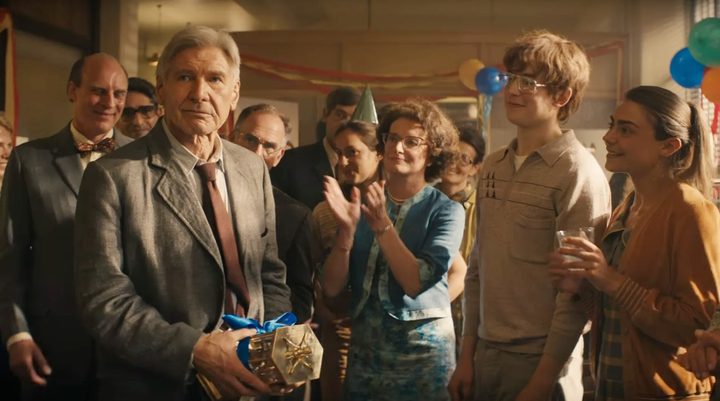
It’s hard to shake the feeling that the bloom is simply off the rose with a lot of these franchises. Give audiences some credit for recognizing when a once-prime piece of intellectual property is wrung dry. Certainly, Marvel has abused the affection of a global fanbase that is no longer willing to shell out for everything with the flipping-pages vanity card slapped onto it. Is it so surprising to see a general dip in enthusiasm for action franchises now headlined by sexagenarians and even octogenarians? Should any “part 10” in a series be expected to do gangbusters business? Who really cares about what happened before Katniss Everdeen picked up her bow and started killing fellow unlucky teenagers?
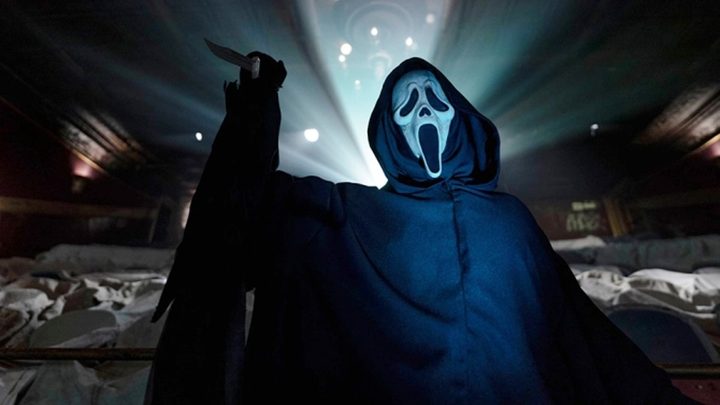
Actually delivering, creatively speaking, does seem to help. After all, not all sequels crashed and burned this year. Spider-Man: Across the Spider-Verse and Guardians of the Galaxy Vol. 3 were silver linings in the dark clouds settling over comic-book cinema. And Creed III and John Wick: Chapter 4 actually logged record numbers for their respective series. About all these major and minor hits had in common was good reviews — a blow against the notion that critics and audiences never see eye to eye on blockbusters. Not that critical acclaim was necessary to put asses in seats: Variably middling notices didn’t much hurt Scream VI, The Nun II, and Insidious: The Red Door, all of which proved that horror franchises remain worth the lower costs of keeping them going.
Perhaps the underperformance of so many formerly bulletproof franchises speaks to the changing priorities of moviegoers — the increasing reality, exacerbated by COVID, that audiences are willing to wait for streaming. Are people now reserving the movie theater experience for true events? If so, it would make sense to see so many mediocre or indifferent continuations fail to draw a crowd. There’s a rerun quality to a lot of the big sequels of 2023. Audiences recognizing that and spending accordingly might be more heartening than disturbing, especially as Barbenheimer suggests that if something does look worth the cost, trek, and babysitter — if it looks like more than business as usual — people will see it in pre-pandemic numbers.
On the other hand, maybe we’re just living through a transitional moment for the ongoing franchise era. The reality is that most of the non-sequel hits of the year — Mario, Freddy, Barbie — are big-screen extensions of properties that have made boatloads of money in other mediums. Most could and probably will be sequelized. Faced with an apparent appetite for something different, Hollywood may take a different lesson from the successes of 2023 and shift their milking operations to new cash cows. As a whole crop of franchises declines, a fresh crop rises to take their place. In the movie business, today’s exciting new visions can always become tomorrow’s tired slop.
For more of A.A. Dowd’s writing, please visit his Authory page.


