Google might be about to undo one of its most debated Android interface changes, almost four years after it first showed up.
When Google launched Android 12 in 2021, it killed the separate one-tap Wi-Fi and mobile data toggles we all knew. In their place came a single, combined “Internet” tile. The logic was that it would simplify connection management and stop people from accidentally eating through their data caps by forgetting to turn Wi-Fi back on. It sounded fine on paper, but in reality, it turned a quick action into a multi-tap chore, which frustrated a lot of users.
A possible reversal of Android’s Internet tile experiment
Instead of a simple tap, you suddenly had to open a separate Internet panel and pick your connection from there. For power users especially, this felt like an unnecessary extra step that just slowed things down. People started complaining almost immediately, but Google stood its ground, arguing that the change was designed to keep people from unknowingly burning mobile data.
For years, the Internet tile didn’t budge. You could find workarounds using third-party apps or techy ADB commands, but those fixes usually broke with every new Android update. By the time Android 13 rolled around, most of those unofficial solutions had stopped working entirely.
That finally seems to be changing.
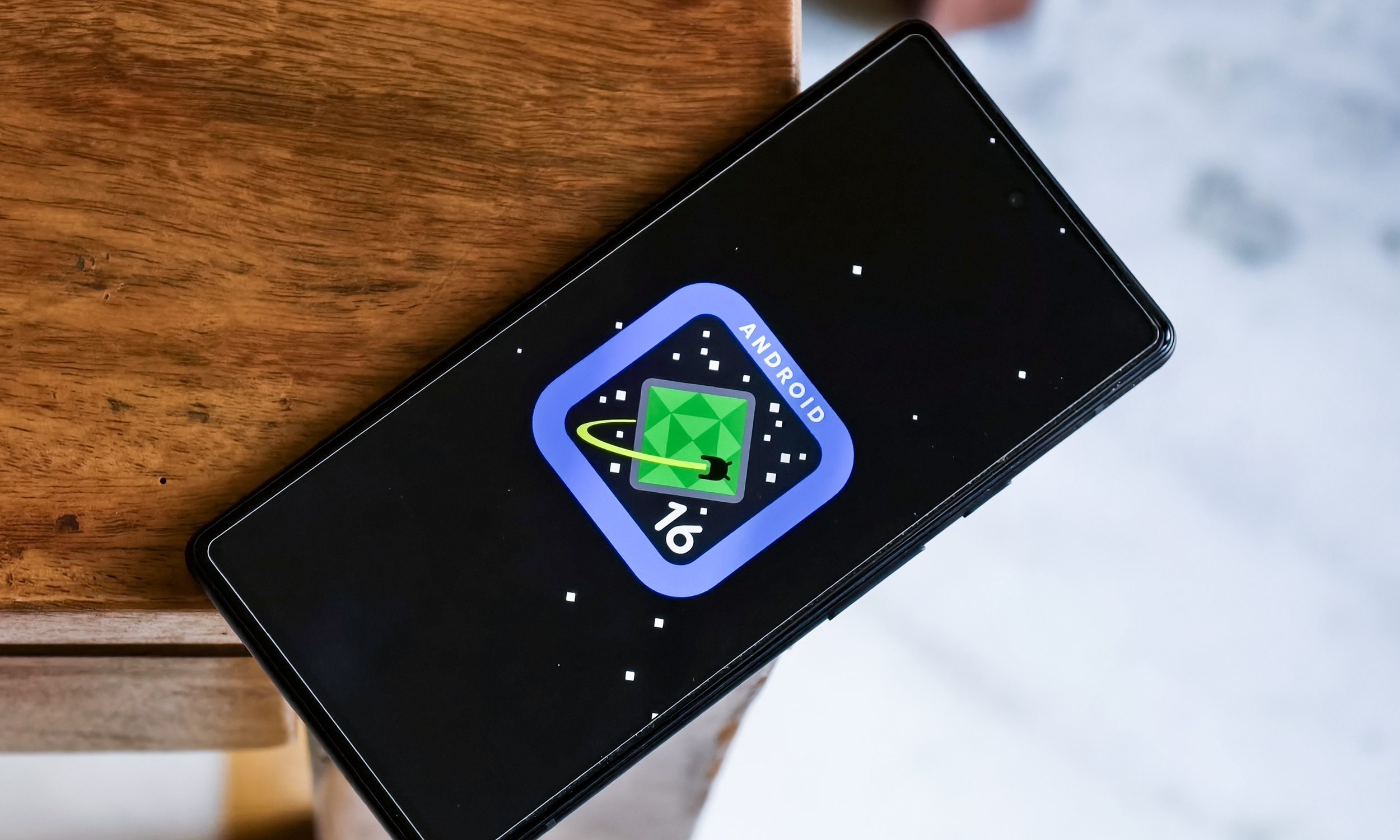
With the release of the Android 16 QPR2 source code earlier this month, developers have spotted evidence that Google is splitting the Internet tile back into separate controls. The Android Authority report revealed Michael Bestas, a lead developer for LineageOS, found new code in the Android Open Source Project that adds distinct Quick Settings tiles for both “Mobile Data” and Wi-Fi.

According to the code, the new Mobile Data tile lets you toggle cellular data directly with one tap, while a redesigned Wi-Fi tile includes a “pause and scan” function. Interestingly, the Wi-Fi tile is still labelled “Internet” for now, likely to help people transition away from the combined panel. Internal notes even suggest the long-term goal is to go back to a dedicated Wi-Fi-only tile.
Right now, these changes are tucked away behind a hidden feature flag and aren’t active in the current public beta builds. This means you won’t see the separate toggles on your phone just yet, and there’s always a chance Google could change its mind or delay the rollout even further.
If this split actually makes it to stable devices, it’ll be a huge win for user feedback. It’s a rare admission from Google that the “simplified” approach wasn’t actually better for everyone. Restoring those direct, one-tap controls would make the Android interface feel much faster and more intuitive again. For anyone who has spent the last four years missing the old toggles, Android 16 might finally be the update that brings them back.