

For years, Apple’s smartphones have held a decisive upper hand over Android devices in one crucial aspect: the longevity of the software support cycle. In a nutshell, as long as your phone keeps getting updates, it will run just about fine.
Brand assurances play a crucial role in buyer behavior, as long-term update support means your phone will not only get new tricks but also security flaws patched. Notably, Apple is not into the habit of quoting how many years it will offer software support for each device, but it has held the crown for a while.
But thanks to a regulation in the U.K., Apple has finally specified a number. It’s not underwhelming, but it is a healthy two years behind Android’s top players. In compliance with the U.K.’s Product Security and Telecommunications Infrastructure (PSTI) Act, Apple says it will provide security updates for a minimum of five years for the iPhone 15 Pro Max, the latest phone in its portfolio.
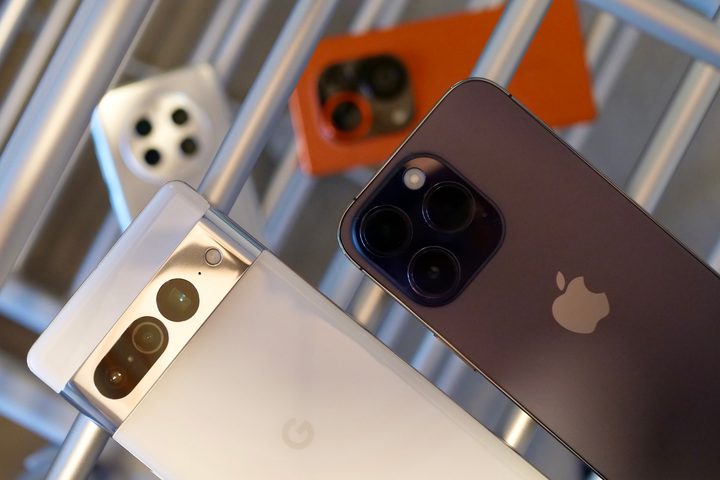
In the PSTI declaration titled “Connectable Devices Statement of Compliance,” the company has specified “Minimum 5 Years from the first supply date” as the “Defined Support Period.” According to the Security Requirements for Relevant Connectable Products draft guidelines under the Product Security and Telecommunications Infrastructure Regulations (2023), this is the exact definition of a Defined Support Period:
“The minimum length of time, expressed as a period of time with an end date, for which security updates will be provided.”
Now, OS and security updates are two different things. Usually, a company commits to more years of security updates than mainline OS updates. That’s primarily because as the hardware gets older, it is no longer deemed powerful enough for next-gen capabilities that are introduced three or four years down the road.
In Apple’s case, it is committing to a minimum of five years’ worth of security updates for the iPhone. Google and Samsung, on the other hand, have committed to providing security updates for seven years. What’s impressive is that we are talking about an equal duration for software updates, as well, which means mainline Google Pixel phones and Samsung flagships will keep getting new software experiences for seven years.
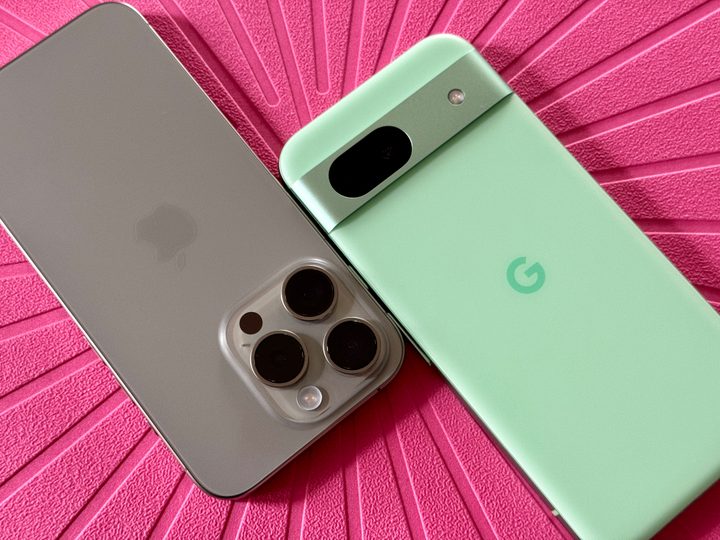
That’s no small victory. The declaration, which was first reported by Android Authority and updated on LinkedIn by a Google executive, shatters a long-held industry perception that iPhones are overwhelmingly in the game for a longer ride than their Android counterparts. But do keep in mind that an assurance of seven years’ worth of OS updates comes with caveats, as well.
Let’s say Google introduces the next major Android update in 2028. The Pixel 8 will be in line to get the yearly OS upgrade, but it likely won’t get all the same features that the Pixel flagship of 2028 will receive, primarily because of hardware shortcomings. The situation was clearly evident earlier in 2024 when Google said some of the AI-driven features would be limited to the pricier Pixel 8 Pro and wouldn’t be seen on the entry-point Pixel 8 due to resource limitations.
Regardless, that doesn’t take away from how far the Android world has come in this regard. Apple used to have a clear and unmatched lead for software updates. Now, it’s openly admitting defeat to both Google and Samsung. What strange times we live in.


