  1. Home
  2. Phones
  3. Android
  4. Apple
  5. Business
  6. Mobile
  7. News

Apple’s Face ID is two years ahead of Android, say parts suppliers

Add as a preferred source on Google
facial recognition apple
Image used with permission by copyright holder

According to reports from multiple suppliers, Android devices are at least two years behind Apple when it comes to setting up face-identifying tech on the level of Apple’s Face ID.

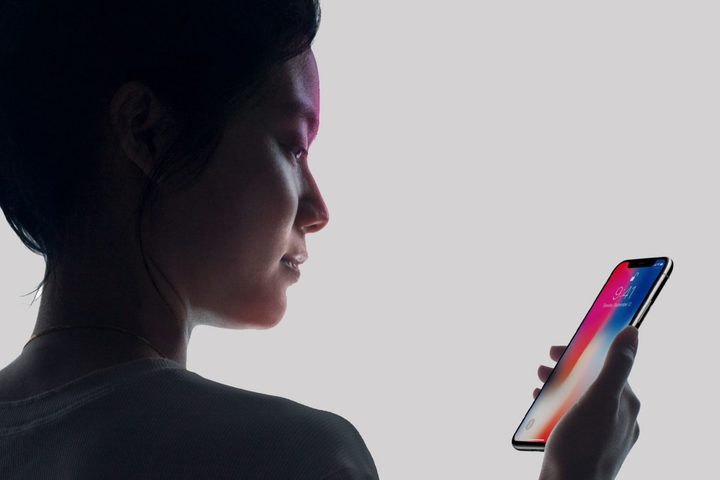
Apple introduced Face ID in last year’s iPhone X as a replacement for the absence of the long-running Touch ID. Face ID uses an array of cameras and sensors housed in the iPhone X’s notch to quickly identify your face and unlock your phone. It’s not just simple face-recognition — the TrueDepth tech actually sees the 3D model of your face, and will only unlock if it recognizes you perfectly.

Recommended Videos

It’s not perfect, and it’s not always faster than Touch ID — but it’s still a heck of a technological feat and one that Android phones may have to wait up to two years to emulate, according to statements from suppliers whose parts are integral to the tech used in Apple’s Face ID setup.

What was the key to Apple’s lead? Simply, Apple’s aggressive strategy in monopolizing as much of the supply of these components as possible. According to parts manufacturers Viavi Solutions Inc, Finisar Corp and Ams AG, there simply aren’t enou-gh parts to go around yet, and that “bottleneck” will mean that mass adoption of 3D-sensing tech will be pushed back at least a year. The report points out that vertical-cavity surface-emitting lasers, or VCSELs, are particularly scarce, with Viavi being the only major supplier of the required optical filters.

Other aggressive moves from Apple include the investment of $390 million into VCSEL-maker Finisar that ensured Apple’s supply of that particular tech, and similar moves to secure cobalt needed for batteries.

It’s clear that most companies in that particular area are gearing up for a large expansion in the coming years. Tech research firm Gartner predicts that 40 percent of all smartphones will be equipped with 3D-sensing tech by 2021, and component makers are reacting according, with Lumentum and Finisar, in particular, expecting to see large growth during the opening months of 2019.

Android phones have had some form of face-sensing tech for years — however, Apple’s Face ID has been lauded for taking it to the next level, with true 3D-sensing capabilities that is harder to fool than traditional tech. While Samsung introduced a new hybrid biometric that combines iris and face scanning in its Galaxy S9, it’s still a far cry from Face ID.

Mark Jansen
Former Mobile Evergreen Editor
Mark Jansen is an avid follower of everything that beeps, bloops, or makes pretty lights. He has a degree in Ancient &…
Apple users are being targeted by a familiar tech support scam
Apple users face a new wave of fake iPhone and iCloud security warnings
iPhone user

AI has made online scams harder to spot by making deepfakes, voice cloning, and fake messages more realistic. Even so, the old tech support scam is still catching victims. For years, fraudsters often posed as Microsoft support workers. Now, reports suggest many are shifting their attention to Apple users.

Consumers are reporting a rise in fake “Apple High Alert” messages that claim an iPhone, iCloud account, or Apple ID has been compromised. These messages are designed to make people panic and react quickly before they can stop to check whether the warning is real.

Read more
iOS 27 puts a much better dictation experience on your iPhone, and you must enable it
A better dictation system is already on your iPhone. Apple just didn't switch it on.
Electronics, Phone, Mobile Phone

If you have an iPhone 17 Pro, iPhone 17 Pro Max, or iPhone Air running iOS 27 beta, you have a meaningfully better dictation system on your device right now. 

However, Apple did not turn it on by default, and most users have no idea it is there.

Read more
I’ve tried nearly every iOS 27 feature, and these 3 are why I’m still excited about the update
Electronics, Mobile Phone, Phone

It's been a little over a week since Apple's WWDC keynote, and the iOS 27 beta is already out in the wild. While Apple spent plenty of time talking about its Gemini-powered Siri, the thing I was most excited about was getting the update onto my iPhone 16e and seeing what it was actually like to live with.

I've been using the beta every day since then, and one thing has become pretty clear: not every new feature lived up to the hype for me. Some felt more interesting during the announcement than they do in everyday use, while others simply haven't found a place in my routine. But a few features have been the complete opposite. They're the ones I've found myself returning to again and again without even thinking about it. After spending more than a week with iOS 27, these are the three features that have stood out the most — and the biggest reason I'm still excited about this update.

Read more