
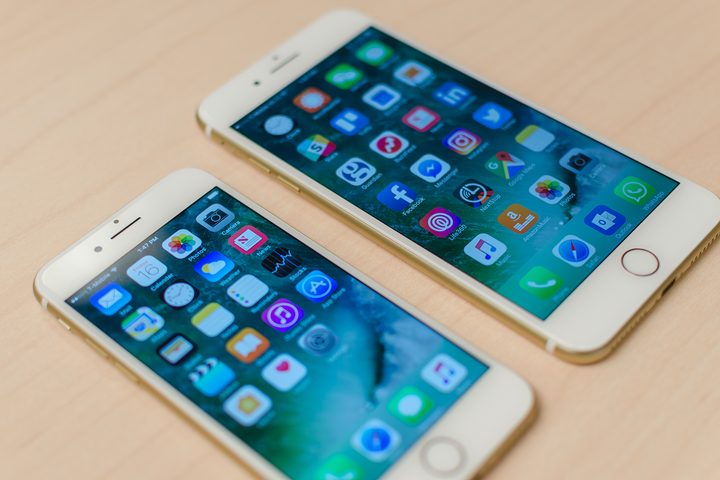
It’s been years since the iPhone 7 was released in 2016, but the class action lawsuit against Apple over audio issues has finally worked its way through the courts, resulting in a $35 million settlement. The good news is that if you weren’t aware of this settlement and you are an iPhone 7 or iPhone 7 Plus owner, you may still be able to claim the settlement money.
The original deadline for the settlement was June 3, 2024, but the United States District Court for the Northern District of California revised it to July 3, 2024, for unknown reasons.
For those who weren’t aware, the lawsuit was filed over audio issues experienced by users of the iPhone 7 and iPhone 7 Plus related to the “audio IC” chip. This issue was sometimes called “loop disease” or the “Audio IC Defect,” where some users saw a grayed-out speaker button on the call, leaving them unable to use the speaker.
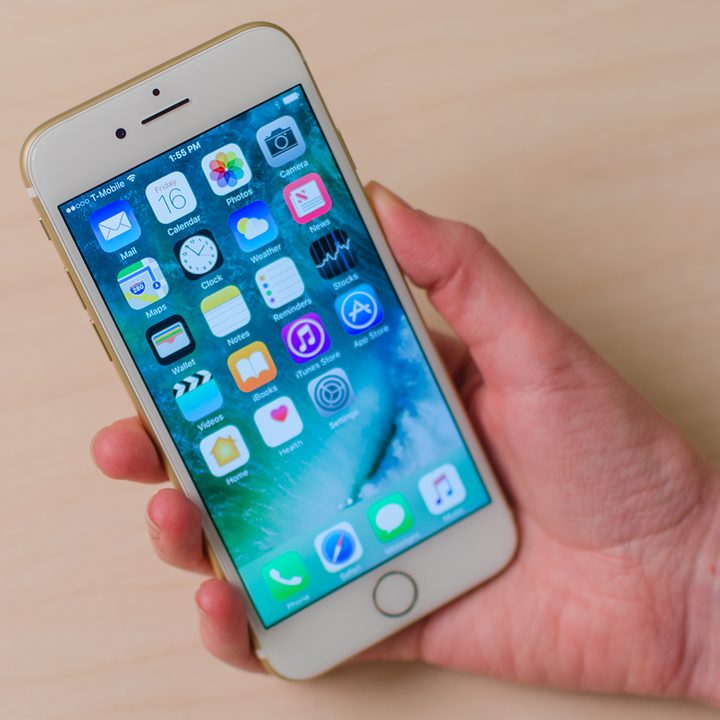
iPhone 7 users who suffered from this issue also were unable to use Siri voice commands, had degraded microphone audio quality, and had a non-functional Voice Memos app. Basically, many of the vital audio and microphone functions on the phone simply didn’t work, and some people had to pay out of pocket for repairs or replacements.
According to the court, the following people are members of the settlement class:
- Individual persons who are United States residents and who own or owned an Apple iPhone 7 or 7 Plus between September 16, 2016, and January 3, 2023
- Reported to Apple in the United States issues reflected in Apple’s records as Sound-Speaker, Sound-Microphone, Sound-Receiver, Unexpected Restart/Shutdown, or Power On-Device Unresponsive (“Covered Issues”)
- Those who paid Apple out of pocket for repairs or replacements for Covered Issues as reflected in Apple’s records.
The settlement requires that you have reported or documented the problem with Apple. And while Apple hasn’t acknowledged responsibility in the interest of avoiding trial, people who are part of the class action can get a payout ranging between $50 to $349 for those who had to pay Apple out of pocket for repair or replacements of their iPhone 7. For those who didn’t pay Apple out of pocket, they can get up to $125. That’s not exactly life-changing money, but it’s a bit more substantial than most of these class-action payouts, where you’re lucky if you get $25 back years later.
Naturally, the settlement class excludes Apple; any entity in which Apple has a controlling interest; Apple’s directors, officers, and employees; and Apple’s legal representatives, successors, and assigns. Also excluded from the Settlement Class are all judicial officers assigned to this case, as well as their staff and immediate families.
If you’re part of the settlement class, you should have received a postcard in the mail, but if you’re unsure, you can call toll free 1-833-633-0343 to find out or write to the Class Action Administrator at 1650 Arch Street, Suite 2210, Philadelphia, PA 19103. There should be a Final Approval Hearing on July 18, 2024, to finalize the amounts of the payments and who gets them.


