

Apple has reportedly been working on a new kind of display-focused smart home device for a while now, and it seems it will arrive as early as next year. Now, Bloomberg reports that Apple is eyeing not one but two such devices across different price points and that they will mark the era of a new AI-first software approach.
Codenamed J595, this one is a high-end machine that features a large iPad-inspired screen and robotic limbs. The other one, which internally goes by the J490 identifier, is more like a conventional smart display — think a screen slapped on a speaker base – that would predominantly serve as a FaceTime machine and smart home control hub.
Unlike the approach that Apple took with the Vision Pro, which was all about flexing the engineering muscles and imagining an entirely new approach to computing, the company’s foray into the field of smart display will likely start at the lower end of the price spectrum, or specifically, the device codenamed J490.

Now, the device won’t exactly be unique. Amazon has been offering similar devices under the Echo Show label for a while now, and Google’s own approach with the Nest Hub hasn’t been too dissimilar. Where Apple stands a chance to stand out is the software ecosystem built around these devices. That secret sauce is AI, or in the brand’s lexicon, Apple Intelligence.
“The Apple Intelligence tools will be at the heart of both products, helping the company bring AI into the home,” says the Bloomberg report. With the integration of AI at the center of the experience, Apple will reportedly rebadge the software as well. It seems that just the way we got iPadOS forked from the iOS experience, the software bundle on the upcoming smart home devices will be branded as homeOS.
It seems the hardware has been designed with user convenience in mind, allowing users to run essential apps like Calendar, Notes, and Home that not only offer a glance at important routine information but also a look at the status of connected devices. Moreover, homeOS will reportedly be optimized for intuitive control of your home appliances so that users can engage in adjustments and monitoring wherever necessary.
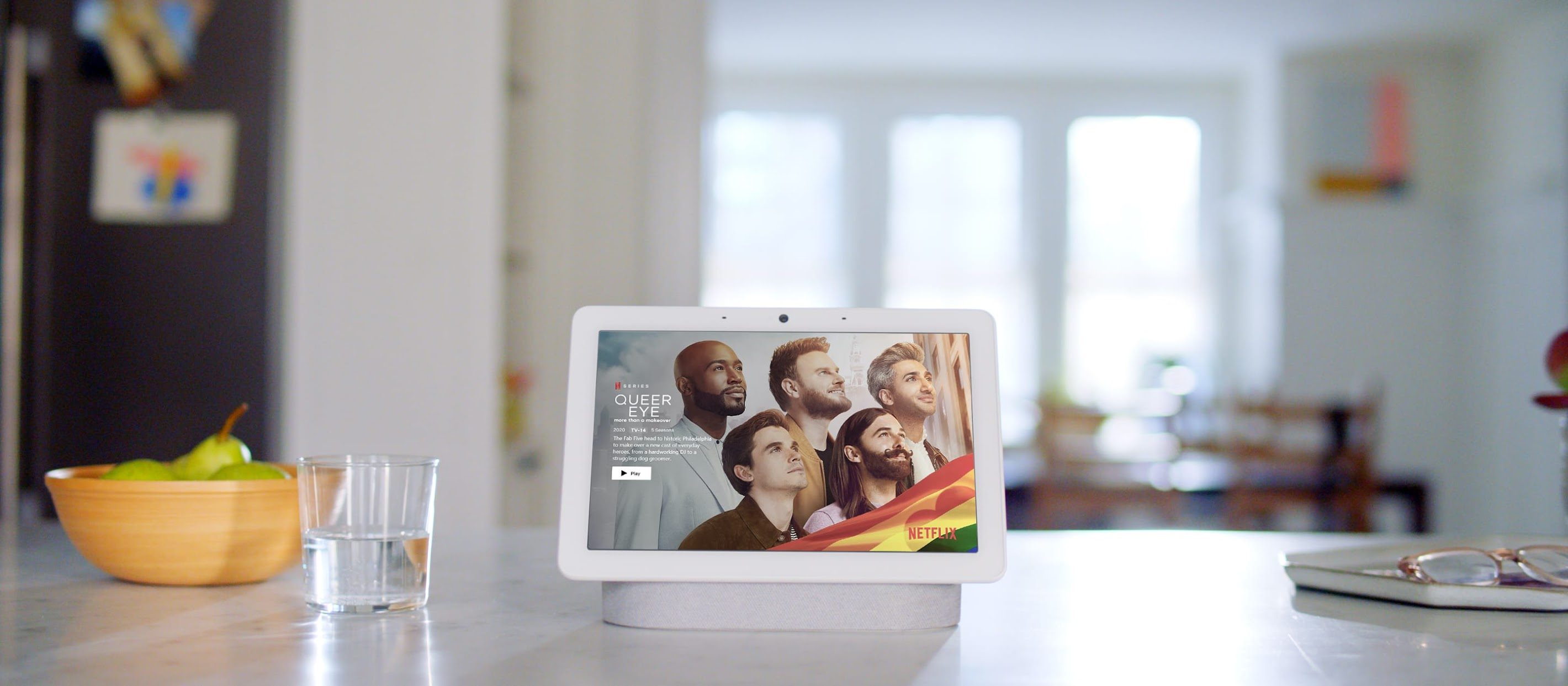
The upcoming smart home devices are said to be borne out of a collaboration between Apple’s AI and hardware engineering units. Bloomberg’s report mentions that when the devices were in the prototype engineering stage, there were design concepts that envisioned these devices attaching to walls using a magnetic mount system.
The report mentions an asking price of roughly $1,000 for one of the smart devices, which is quite steep. But it seems the silicon requirements to boot Apple Intelligence in all its glory could be one of the core reasons for that, along with a functional screen assembly and speaker gear.
It would be interesting, regardless, how exactly Apple is going to market these devices to smart home enthusiasts and, more importantly, convince them to part ways with a healthy few hundred dollars instead of relying on third-party solutions that embrace the Matter protocol. Maybe we are going to hear the “seamless ecosystem integration” argument from Apple once again.


