
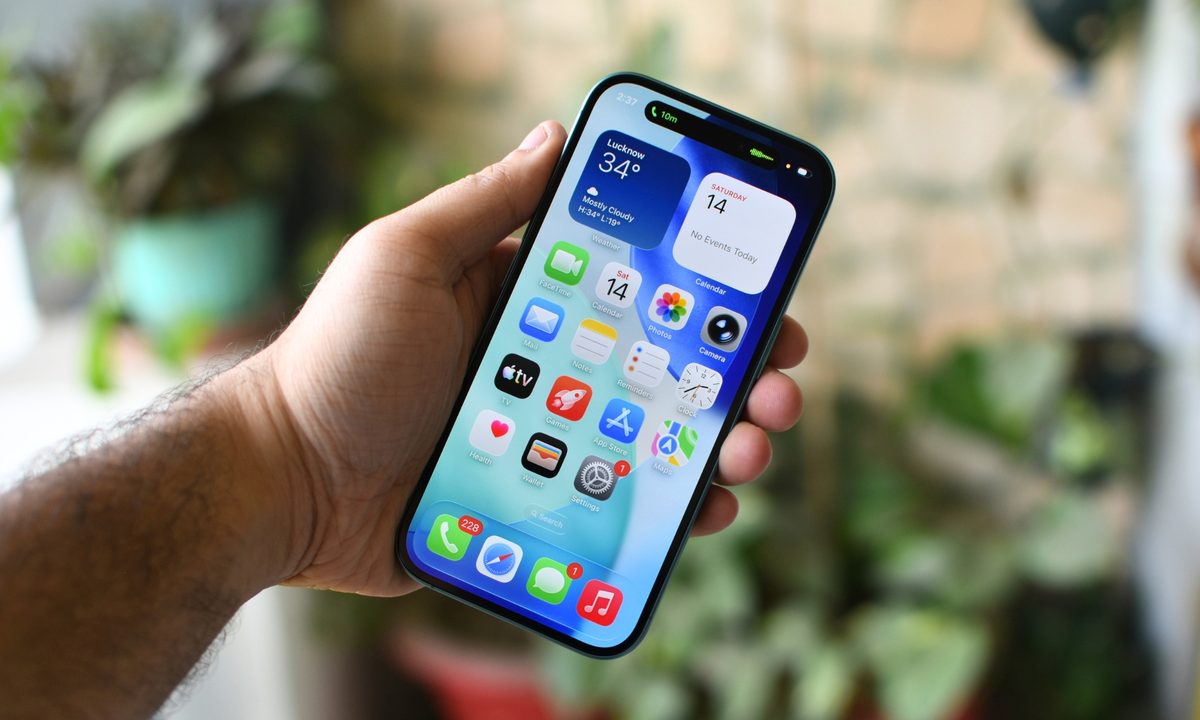

Apple is preparing a major expansion of its AI features for iPhones and iPads with iOS 27 and iPadOS 27, according to a new report from Bloomberg’s Mark Gurman. The update is expected to bring AI-powered writing assistance, natural-language app shortcuts, smarter Siri integrations, and even AI-generated wallpapers as Apple tries to catch up with rivals like Google and Samsung in consumer AI features.
The upcoming features are expected to be unveiled at Apple’s Worldwide Developers Conference (WWDC) in June ahead of a public release later this year.
Apple wants AI to feel more built into everyday iPhone use
According to the report, one of the biggest additions in iOS 27 will be expanded AI writing tools. Apple is reportedly working on a grammar-checking feature similar to Grammarly that can suggest edits, corrections, and rewrites directly inside text fields across the operating system. The tool is said to appear through a translucent interface that shows original text alongside AI-generated revisions. Users will reportedly be able to accept individual changes, approve all edits, or ignore suggestions entirely.
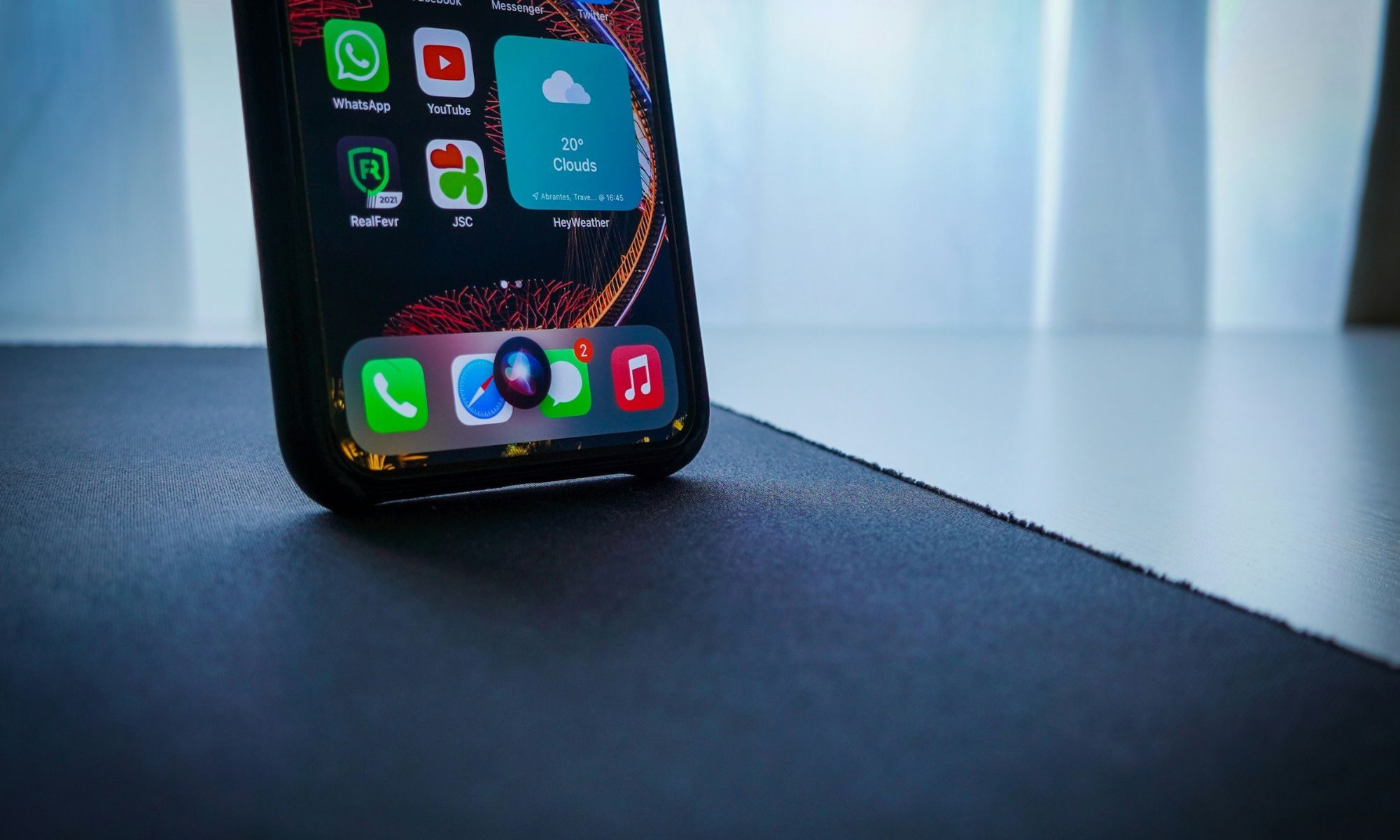
Apple is also said to be testing a new “Write With Siri” option built directly into the keyboard experience. Another feature called “Help Me Write” could appear when users activate Siri while typing.
The bigger shift, however, may be Apple’s overhaul of the Shortcuts app. The updated version reportedly allows users to create automations simply by describing what they want in natural language instead of manually building commands. For example, users may be able to tell Siri to automatically summarise PDFs, manage calendars, or trigger smart home actions without needing to configure workflows themselves.
Apple is still playing catch-up in AI
The timing of these upgrades is important because Apple is increasingly under pressure to respond to rapid AI advancements from Google, Samsung, OpenAI, and Microsoft. Google recently announced new Android AI features, including AI-generated widgets, contextual task handling, and advanced voice interactions through Gemini Intelligence.
Apple’s AI rollout so far has been more cautious and slower than many competitors. While the company continues prioritising privacy and on-device processing, critics have argued that Siri and Apple Intelligence still lag behind modern AI assistants in conversational capabilities and flexibility.
The report also mentions Apple’s continued work on a redesigned Siri capable of deeper app controls and visual analysis using the camera app.
Another addition coming to iOS 27 could be AI-generated wallpapers. Apple is reportedly integrating generative wallpaper creation into the existing Image Playground framework, allowing users to create custom home screen and lock screen backgrounds directly from prompts.
What happens next
Apple is expected to formally introduce iOS 27 and its AI features during WWDC in June, with developer beta testing likely beginning shortly afterward.

The larger challenge for Apple will be convincing users that its AI ecosystem can compete with rivals that already offer more mature chatbot-style assistants and automation tools. However, if Apple successfully integrates these features deeply into iOS rather than treating them as standalone apps, the company could still differentiate itself through tighter ecosystem integration and privacy-focused design.
For now, iOS 27 appears to be less about flashy AI demos and more about making everyday iPhone tasks feel smarter, faster, and more automated.


