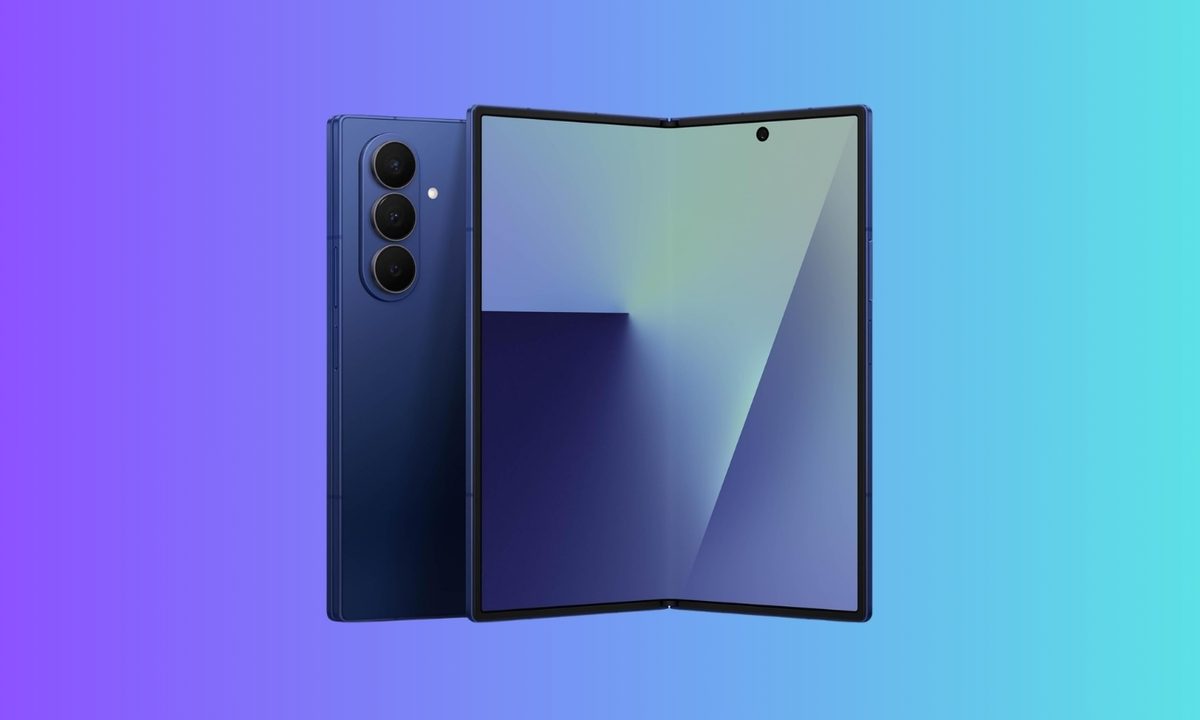
Samsung’s foldables have consistently led the market in polish and software, but one complaint has followed the Galaxy Z Fold series for years: battery life. Now, a new leak suggests Samsung may finally be addressing that issue with the upcoming Galaxy Z Fold 8, alongside camera improvements and a thinner design.
According to a report from Greek publication TechManiacs, the Galaxy Z Fold 8 could pack a larger 5,000mAh battery – a notable jump from the 4,400mAh cell used in the Galaxy Z Fold 7. If accurate, this would mark one of the most significant hardware upgrades to Samsung’s book-style foldable lineup in years.
Samsung may finally be catching up on foldable hardware
Battery capacity has increasingly become a weak point for Samsung foldables, especially as Chinese rivals like OnePlus, Honor, Vivo, and Xiaomi continue pushing larger batteries into thinner foldable designs. While Samsung has traditionally prioritised weight, software optimisation, and durability, the company has also been criticised for relying on relatively small batteries compared to competitors.
The new report suggests Samsung is now trying to balance both. The Galaxy Z Fold 8 is tipped to feature the Snapdragon 8 Elite Gen 5 chipset while becoming slightly thinner and lighter at 4.1mm unfolded and around 210 grams. That would make it about 5 grams lighter than its predecessor despite the larger battery.

Camera upgrades are also reportedly on the way. Samsung is expected to retain the 200MP primary sensor and 10MP selfie camera while upgrading the ultra-wide camera to 50MP. There is currently no information about the telephoto sensor, though the Fold 7 used a 10MP setup.
A new “wide” foldable could also be coming
The report also references another foldable device currently referred to as the “Galaxy Z Fold 8 Wide.” Samsung has not officially acknowledged such a product yet, but the leak suggests it could feature a different approach to foldable design.
According to the report, the device may use a 4:3 aspect ratio inner display alongside dual 50MP rear cameras and a 4,800mAh battery. It is also said to weigh around 200 grams.
If Samsung does launch a wider foldable, it could signal the company experimenting with different form factors as competition in the foldable space intensifies.
Why this matters
Samsung remains one of the most important players in the foldable market, but the company has recently faced pressure from brands offering thinner designs, larger batteries, and faster charging.
A move to a 5,000mAh battery may sound basic compared to regular flagship phones, but for Samsung foldables, it would represent a long-overdue improvement. Combined with newer silicon-carbon battery technologies becoming more common across the industry, users are increasingly expecting foldables to stop compromising on endurance.
At the same time, Samsung still holds a major advantage in software support, ecosystem integration, and global availability – areas where many competitors continue to lag behind.
What happens next
As with most early leaks, these details should still be treated cautiously. TechManiacs has correctly leaked some Samsung hardware details in the past, but it has also missed on certain specifications, including the Galaxy Z Fold 7’s thickness.
Samsung is expected to unveil the Galaxy Z Fold 8 later this year alongside the next Galaxy Z Flip lineup. If these leaks prove accurate, the Fold 8 may end up being less about radical redesigns and more about finally fixing the practical compromises users have been complaining about for years.