
  1. Home
  2. Phones
  3. News

Burner phones could be collateral damage in the FCC’s robocall war

Proposed ID checks would target scammers, while forcing prepaid users to hand over more personal data.

Add as a preferred source on Google
Man using phone on bed
cottonbro / Pexels

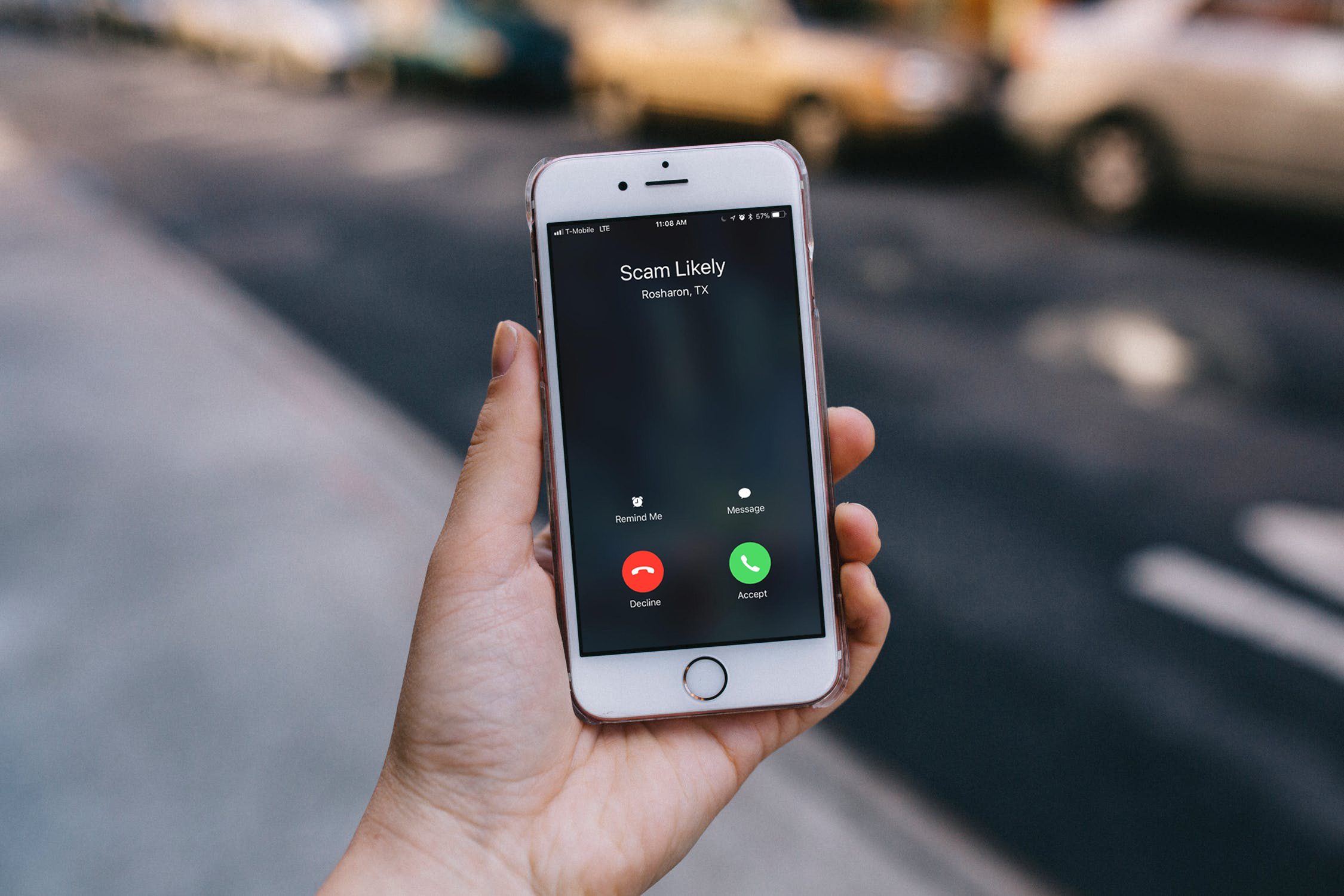
The FCC is weighing phone ID rules that could make burner phones harder to get in the US. The proposal, aimed at fighting robocalls and scam texts, would require telecom providers to collect identifying details before giving service to people starting or continuing a plan.

For prepaid users, a number that once stayed separate from a fuller identity record may become tied to carrier-held data before service begins. That cuts into the appeal of a burner phone without requiring suspicious behavior first.

Recommended Videos

The agency says tougher checks would help identify people abusing calls and texts. Critics argue the rule is too broad, since it would also reach domestic abuse survivors, journalists, whistleblowers, low-income users, and customers who don’t want every line tied to a larger data trail.

What would carriers collect

The proposed rule would push voice providers to verify more information before activating or renewing service. The core list includes a customer’s name, physical address, government-issued ID number, and another phone number.

Prepaid service sits at the center of the concern. Burner phones have often offered more separation from everyday accounts and billing records, while the FCC is asking whether prepaid and postpaid plans should be treated differently.

For bulk phone plan purchases, the FCC is also considering extra details such as intended use and IP address, giving it more visibility into high-volume calling and texting.

Who would lose anonymity first

Robocalls are a real consumer problem, and the FCC wants to stop abusive traffic before it reaches the network. The proposed fix starts earlier than enforcement after suspicious activity, with identity collection happening before service is granted.

Privacy and civil rights groups say scammers can still use fake identities or other workarounds, while legitimate users would face a bigger identity trail. Early public pushback in the FCC’s comment system, including concerns that richer carrier databases could become targets for hackers.
What changes before June 25

The FCC hasn’t finalized the phone ID rules. It’s asking for feedback on details that could shape the final impact, including what counts as a renewing customer and whether a physical address should exclude P.O. boxes or shared office locations.

A narrower version could focus on higher-risk activity. A broader version would make routine prepaid service feel closer to opening a bank account.

Anyone who relies on prepaid service for separation should watch the comment deadline and the next version closely. If the FCC keeps the ID requirements intact, burner phones would still exist, but their strongest protection would be weaker.

Paulo Vargas
Paulo Vargas is an English major turned reporter turned technical writer, with a career that has always circled back to…
Nomad’s orange wallet tracker makes the AirTag look chunky and underdressed
Nomad's Stellar Orange collection is for Apple users looking to color-match accessories with their latest iPhones
Nomad Tracking Card Pro next to an iPhone 17 Pro Max

Most phones accessories are built to be useful, but some look pretty while doing it. And Nomad's latest limited-edition drop is trying a little harder. The company has launched Stellar Orange collection, which includes new versions of two existing products, namely Tracking Card Pro and the Stand One charger.

The best part? The color is matched to Apple's latest Cosmic Orange iPhone. This already tells you exactly who this is for. People tend to color-match their gadgets to seem more coherent or seamless, and your wireless charging stand and wallet tracker want to join in as well. While it might not be essential, the consistency in looks does make it oddly satisfying.

Read more
The world’s chip lord issues price hike warning that’s going to hurt your phone and laptop
TSMC, the company behind the chips in virtually every consumer device, says inflation is driving up costs and hasn't ruled out passing them on.
TSMC Fab

The world's largest chipmaker has signaled that rising costs may force it to increase prices for the chips that power consumer devices and AI infrastructure.

Speaking to the BBC, TSMC CFO Wendell Huang confirmed that inflation is driving up the company's costs and did not rule out passing those increases on to customers. He stopped short of committing to sudden dramatic increases, saying the company would not impose "fourfold, fivefold" price rises. TSMC chairman and CEO CC Wei separately told shareholders the same day that he would "like" to raise prices, as competitors have already done.

Read more
Everything Apple announced at WWDC 2026: iOS 27, next-gen Siri, AI upgrades, and more
Apple stopped making promises at WWDC 2026 and started delivering: Siri AI, six OS updates, and Cook's farewell.
WWDC 2026 poster

Unlike most years, Apple’s WWDC 2026 carried more weight than usual, not just because it was Tim Cook’s final keynote as CEO, but also because it represented Apple’s chance at redemption after missing deadlines, mounting questions, and criticism about its ability to keep pace in the AI race. 

Fortunately, Apple answered many of those questions on June 8, 2026, unveiling an upgraded AI-powered Siri alongside a range of new Apple Intelligence features, while also raising a few fresh questions. WWDC was packed with announcements across six operating systems that underpin Apple’s ecosystem of devices. 

Read more