

Samsung had another exciting lineup of flagship smartphones to show off at this week’s Galaxy Unpacked event. Although there weren’t too many surprises, this year’s Galaxy S25 models take the lineup to new heights with a more refined aesthetic for the Galaxy S25 Ultra and more power and longer battery life across the board, thanks to Qualcomm’s latest Snapdragon 8 Elite chip.
Nevertheless, Samsung leaves us with one nagging question when it introduces each year’s latest Galaxy S series models: will this year mark the return for the headphone jack? Bluetooth headphones may be all the rage these years, and Samsung’s Galaxy Buds 3 Pro make a great companion for the company’s high-end smartphones, but some folks still understandably prefer wired connections for greater reliability and higher sound quality.
The Galaxy S25 does not have a headphone jack
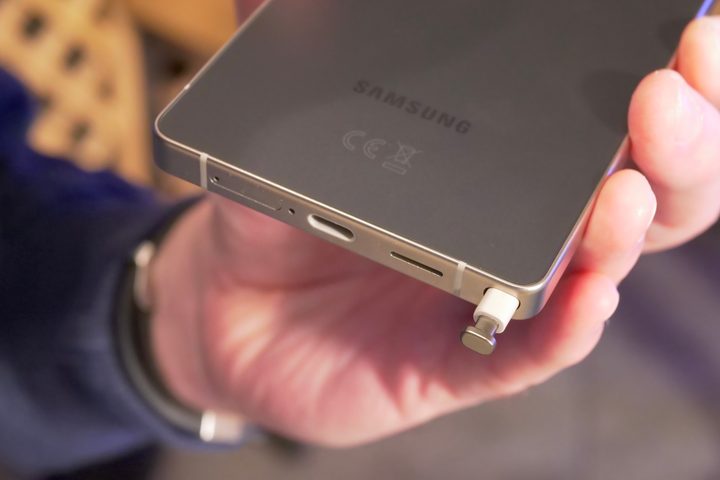
After mocking Apple for removing the headphone jack on the 2016 iPhone 7, Samsung eventually decided this wasn’t such a bad idea. After all, the headphone jack takes up space in a smartphone that can be put to better use, and by the time the Galaxy S10 and Note 10 series came along in 2019, Samsung had followed in Apple’s footsteps — at least for its flagship phones.
The wallet-friendly Galaxy A1x series held out for much longer, presumably because Samsung recognized that folks on tight budgets were the least likely to splurge on wireless headphones. However, after the affordable Galaxy Buds FE came along in late 2023, we weren’t all that surprised when the Galaxy A16 joined the jack-less club.
That decision makes it a safe bet that the headphone jack is gone for good. Over the past few years, a 3.5mm audio port has become a hallmark of lower-end phones, which has put it well beneath the pedigree of the Galaxy S25 series.
Alternatives to the missing headphone jack

That’s not to say that wired listeners are entirely left out. The 3.5mm headphone jack is one of these things that’s become very “last decade,” and Samsung and other Android makers have had an ace up their collective sleeves for years in the form of USB-C.
While Apple spent years forcing audiophiles to rely on its proprietary Lightning port to get wired audio, Samsung began its switch to USB-C with the Galaxy Note 7 in 2016 — the same year the iPhone 7 dropped the headphone jack. By 2017, all of its flagship smartphones had made the switch, and by the early 2020s, it wasn’t hard to find wired USB-C models among even the most affordable headphones. USB-C to 3.5mm adapters were also plentiful, allowing folks to use their preferred traditional headphones.
USB-C audio has a distinct advantage over traditional 3.5mm headphone jacks because it offers an effectively lossless digital audio path. Traditional wired headphones require an analog signal, which means your digital music has to be converted to analog inside the phone. Even in the days when 3.5mm headphone jacks were abundant, many music fans with more discerning eardrums chose to supply their own digital-to-analog converters (DACs) that could deliver far higher quality than the DAC built into most smartphones.
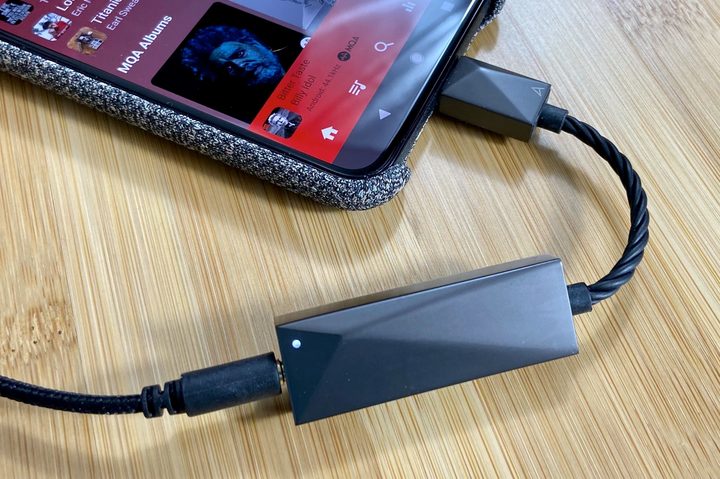
DACs are still the preferred gear for audiophiles with premium cans, but most folks can get by with USB-C dongles that cost as little as $10. Most of those won’t do much better than the DAC that was once built into Samsung’s 3.5mm jacks, but that’s not going to matter much unless you’re using expensive wired earbuds or headphones and listening to a high-fidelity lossless audio source such as Apple Music, Amazon Music, or Tidal. Other popular streaming services like Spotify cap out at 256–320kbps, well below the fidelity that an expensive DAC can deliver.
This all assumes that you’re really sold on the idea of wired audio. If quality is your primary concern, you may be pleasantly surprised by how well Samsung’s Galaxy Buds play with Samsung’s flagship phones. The company’s proprietary Samsung Seamless Codec (SSC) can deliver near-lossless bitrates over Bluetooth, easily giving all but the priciest DAC and wired headphone combos a run for their money.
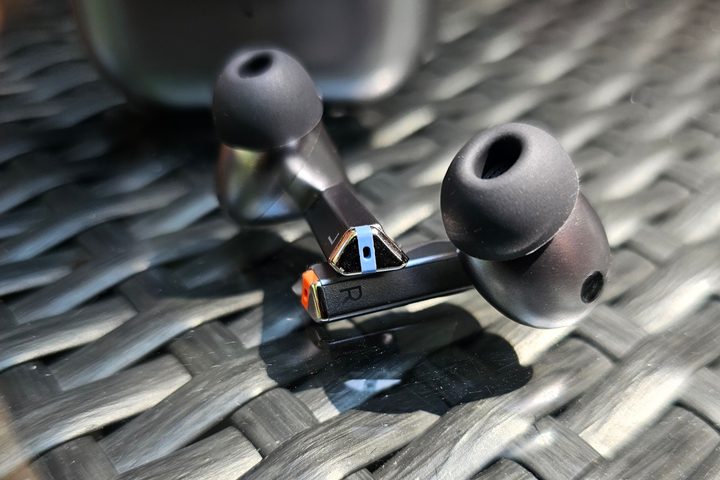
You don’t have to go with Samsung’s buds, though. If you lean more toward on-ear or over-ear models, plenty of excellent wireless headphones have similar hi-res codecs. Only Samsung’s earbuds support SSC, but the Galaxy S25 lineup can also deliver audio using Sony’s LDAC, the key codec in the fantastic Sony WH-1000XM5 headphones.
While none of these will rival a good set of wired headphones with a high-end DAC, the best can easily surpass what you’d get from a traditional 3.5mm headphone jack or a basic $10 USB-C dongle. Still, wired headphones are hard to beat if all you’re looking for is something cheap and cheerful.


