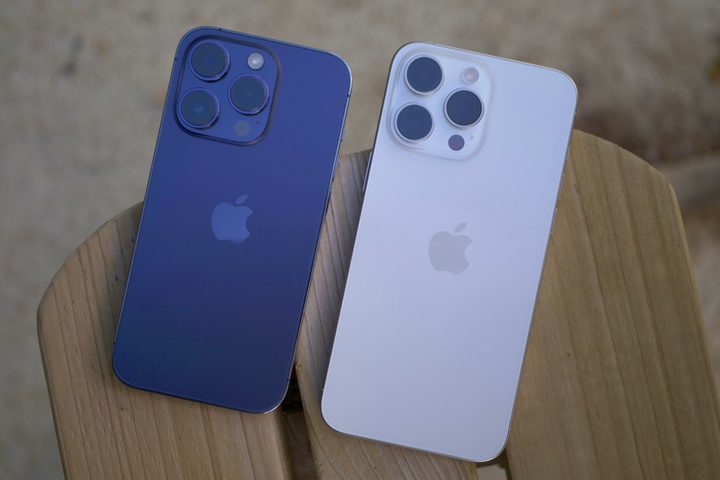
If you’re reading this article, chances are you have an iPhone. It’s also quite likely that your friends and family members also use an iPhone. The iPhone is the smartphone of choice for millions of people in the U.S., and now, the Department of Justice (DOJ) is suing Apple over the alleged iPhone monopoly it has established over the years.
Why is this happening? What does it mean for you and your iPhone? Here’s a quick breakdown of what you need to know.
Why Apple is being sued
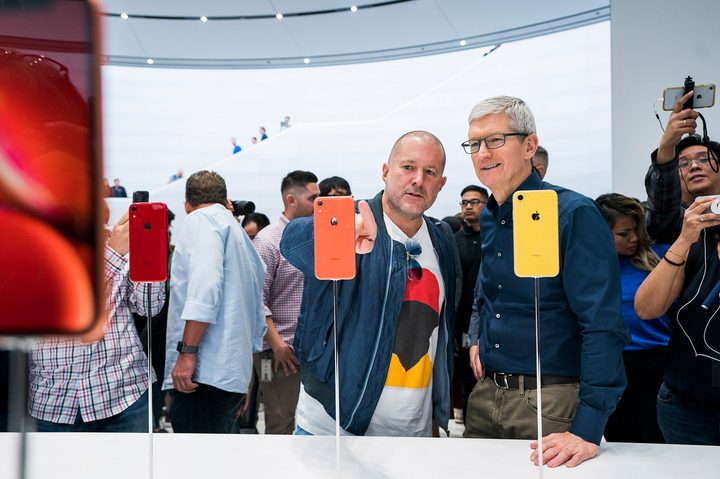
We’ll start with the biggest question first: Why is Apple being sued? On March 21, the DOJ and 16 state/district attorneys sued Apple over allegations that the company is running its iPhone business as an illegal monopoly.
In the complaint filed in the District of New Jersey, it reads, “Each step in Apple’s course of conduct built and reinforced the moat around its smartphone monopoly. The cumulative effect of this course of conduct has been to maintain and entrench Apple’s smartphone monopoly at the expense of the users, developers, and other third parties who helped make the iPhone what it is today.”
How, specifically, is the DOJ accusing Apple of running the iPhone as a monopoly? It focuses on a few points. The DOJ points out Apple’s stranglehold on iMessage and the disparity in message quality when an iPhone user texts someone with an Android phone.
iMessage has long been a sticking point for Apple, and the company hasn’t really helped itself here. During a 2022 interview, someone told Apple CEO Tim Cook, “Not to make it personal, but I can’t send my mom certain videos.” Cook’s response? “Buy your mom an iPhone.” The DOJ is now using that quote as one of its pieces of evidence for the lawsuit.
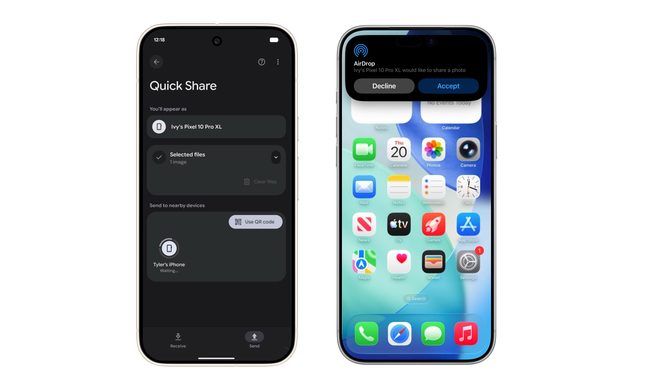
It also calls out how Apple has blocked cloud-streaming apps (specifically those for video games, like Xbox Game Pass and GeForce Now), limited how smartwatches other than the Apple Watch work with the iPhone, blocked alternatives to Apple Wallet, etc. They’re all things we’ve grown used to over the years as part of the “Apple ecosystem,” but they’re practices the U.S. government clearly isn’t fond of.
How Apple has responded
As you might suspect, Apple isn’t thrilled with this news. The company released a statement in response to the lawsuit, saying, “This lawsuit threatens who we are and the principles that set Apple products apart in fiercely competitive markets.”
Apple’s statement continues, “If successful, it would hinder our ability to create the kind of technology people expect from Apple — where hardware, software, and services intersect. It would also set a dangerous precedent, empowering government to take a heavy hand in designing people’s technology.”
What this lawsuit means for you
In short, this is what we’re dealing with: The DOJ is accusing Apple of being too restrictive with the iPhone, running it as a monopoly, and hurting consumers and competitors in the process. Apple, unsurprisingly, wants to fight those claims.
What does all of this mean for you? Right now, probably not much. We don’t have a set date for any hearings between the DOJ and Apple, though that should come in due time.
Where things will get interesting is what eventually comes of this lawsuit. It’s possible Apple will just be slapped with fines, get a stern talking-to, and go about business as usual. On the flip side, this could ultimately result in Apple needing to make significant changes to how it operates the iPhone and its surrounding ecosystem. We’ve already seen Apple allow third-party app stores and application sideloading due to regulations in the EU.
If the DOJ pressures Apple enough, that could translate to even bigger changes to the iPhone in the U.S. — and potentially worldwide. We’re talking about an iMessage app on Android, Apple Watches working with Android phones, third-party app stores for iPhones worldwide, etc. These are all just hypotheticals right now, but depending on how the lawsuit progresses, those could be the types of actions the DOJ requires Apple to make.
Again, that’s all stuff to think about in the future. Nothing is changing for you right now, and it’ll likely be a while before any of this happens — if it ever does. But the first steps have been made toward a potentially seismic shift for the iPhone.