  1. Home
  2. Phones
  3. News

Fresh Pixel 11 leak points to new modem, cameras, and a Nothing-inspired trick

Add as a preferred source on Google
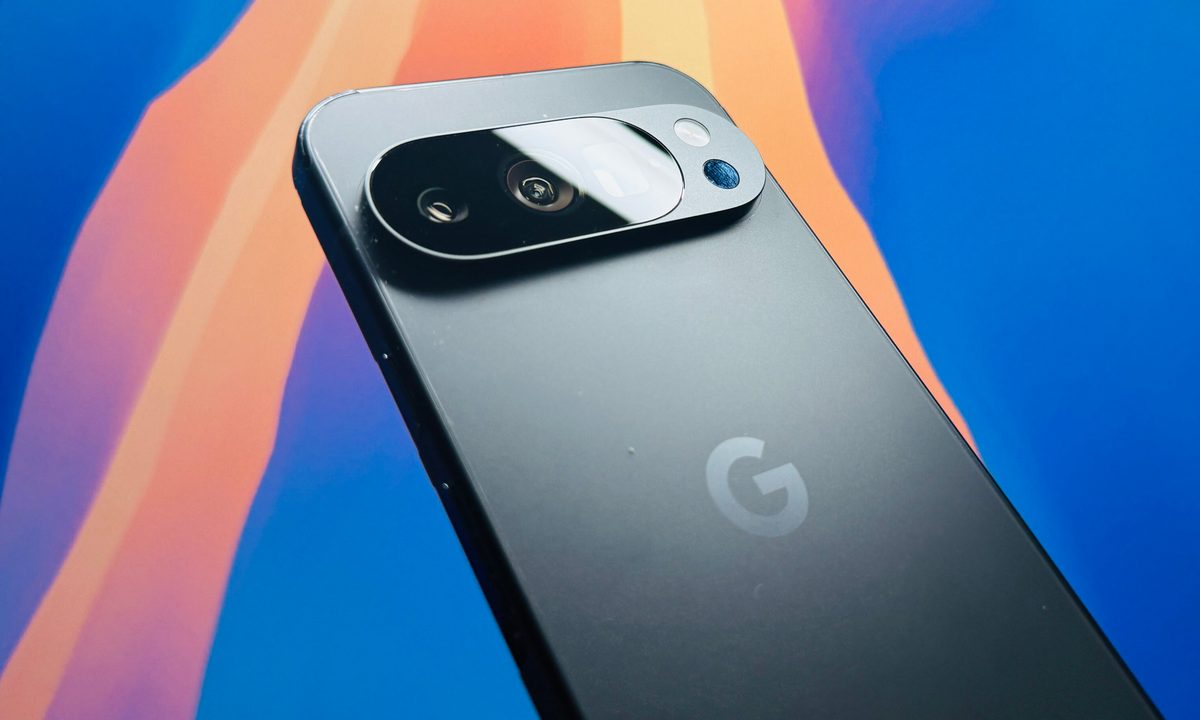
Rear shell of Google Pixel 10 Pro.
Nadeem Sarwar / Digital Trends

A new leak has shed light on what Google has planned for its upcoming Pixel 11 lineup, and if accurate, the changes run deeper than a typical year-over-year refresh.

What’s the latest on Google’s upcoming flagships

Mystic Leaks, who shared a few details about the Tensor G6 last week, is back with a broader breakdown (via 9to5Google) of the upcoming flagship series. The biggest headline is that the Tensor G6 chipset would move to a MediaTek M90 modem, ending Google’s reliance on Samsung’s Exynos modems. The chip is also expected to pack ARM C1 cores in a 1+4+2 configuration, along with a Power VR C-Series GPU, Titan M3 security chip, a new TPU (codename Santafe), and an updated image signal processor (codename Metis).

Recommended Videos

Camera hardware is also said to receive a refresh across the board. Google is reportedly including a new 50MP main sensor codenamed “chemosh” on the base Pixel 11 and Pixel 11 Pro Fold. The Pixel 11 Pro and Pro XL, on the other hand, will reportedly receive new main and telephoto sensors codenamed “bastet” and “barghest.”
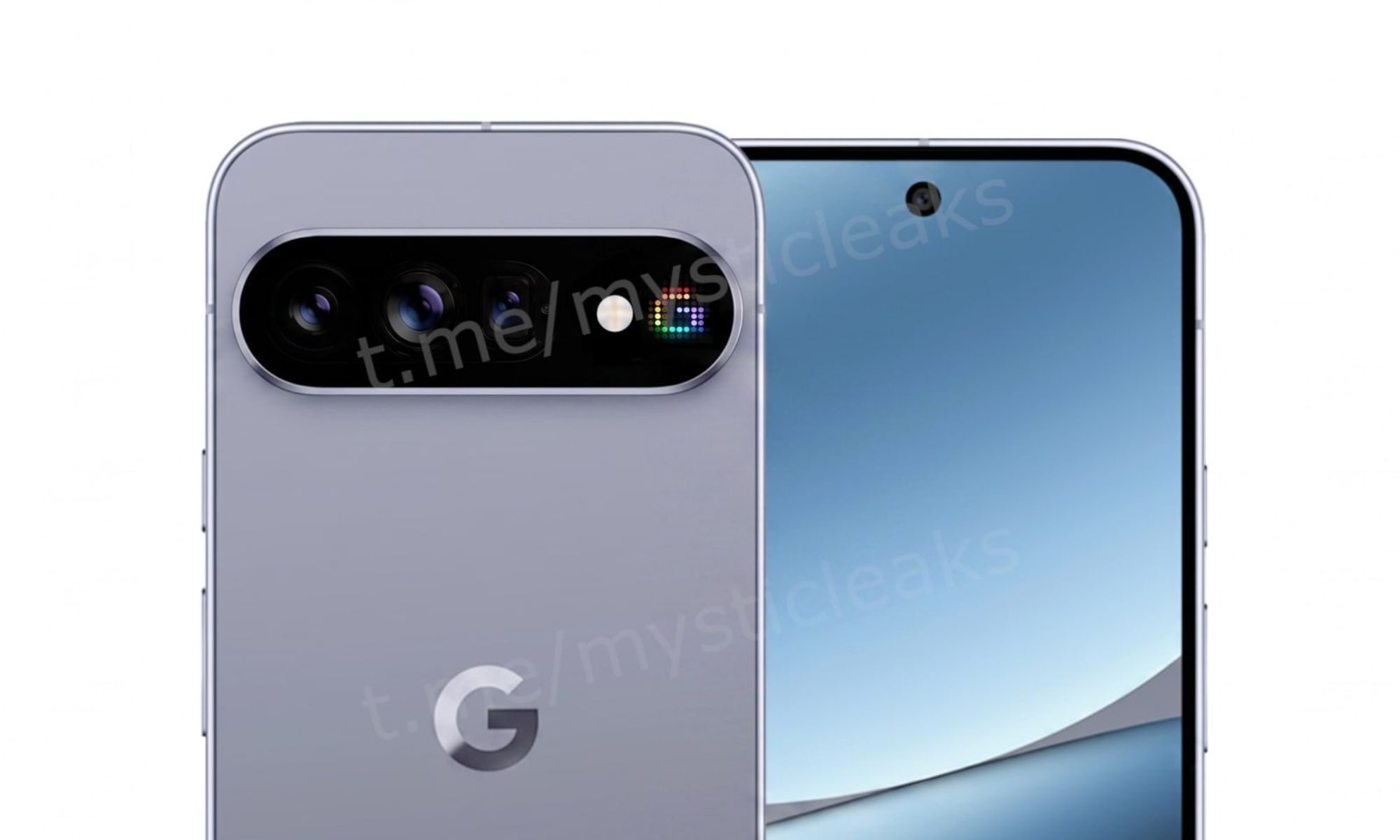
Elsewhere, the leak points to a new “Pixel Glow” feature, consisting of small LEDs on the camera bar that would replace the temperature sensor found on the current Pro models. It is expected to be somewhat like Nothing’s Glyph interface. However, the leak adds that Google’s updated face unlock hardware, known internally as Project Toscana, won’t be ready in time for the release and will skip the Pixel 11 series entirely.

The leak also details a few additional specs for each model:

Pixel 11Pixel 11 ProPixel 11 Pro XLPixel 11 Pro Fold
6.3-inch (1080×2424) display, 60-120Hz refresh rate, 240Hz PWM, up to 2,200nits6.3-inch (1280×2856) display, 1-120Hz refresh rate, 240Hz PWM, up to 2,450nits6.8-inch (1344×2992) display, 1-120Hz refresh rate, 240Hz PWM, up to 2,450nits2076×2160 OLED inner display, 1-120Hz refresh rate, up to 2,050nits
4,840mAh battery4,707mAh battery5,000mAh battery1080×2342 OLED outer display, 60-120Hz refresh rate, up to 2,450nits
8GB/12GB RAM12GB/16GB RAM12GB/16GB RAM4,658mAh battery
Colors: Black, Green, Pink, Purple12GB/16GB RAM

Google is expected to announce the Pixel 11 lineup in August. More details are expected to emerge in the months leading up to the launch.

Pranob Mehrotra
Pranob is a seasoned tech journalist with over eight years of experience covering consumer technology. His work has been…
The dreams of an iPhone-rivaling face unlock on the Pixel 11 might as well be dead
Google’s Pixel 11 may miss the Face ID-style upgrade fans were waiting for
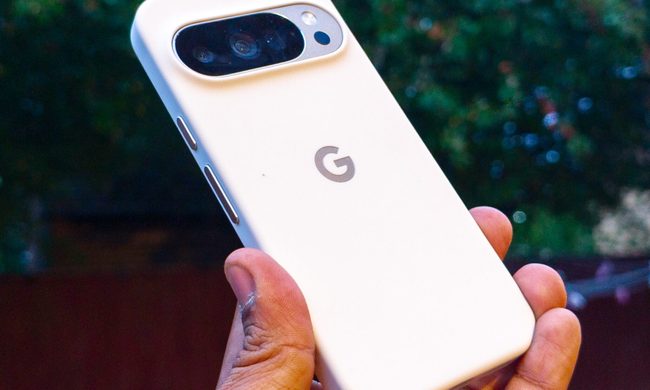
Google Pixel 10 Pro in the official silicon case

Google’s long-running face unlock comeback story may have hit another wall. A recent Pixel 11 series leak claims that Project Toscana, Google’s rumored infrared face unlock system, likely will not debut on the Pixel 11 lineup because it is still not ready for release.

The feature was expected to give future Pixel phones a stronger rival to Apple’s Face ID. Earlier reports said Project Toscana was tested on both Pixel phones and Chromebooks, with Face ID-like speed and better low-light performance. The latest leak suggests Pixel users may have to wait beyond the 2026 lineup for that upgrade.

Read more
Samsung’s next Ultra phone could go big and variable with main camera to pip the iPhone 18 Pro
Samsung may revive a Galaxy S9 camera trick for a much bigger 200MP Ultra upgrade
Samsung Galaxy S26 Ultra

Samsung may be preparing a major camera upgrade for the Galaxy S27 Ultra, with a new leak claiming its 200MP main camera could get variable aperture support. The claim comes from Weibo leaker Smart Pikachu (智慧皮卡丘), suggesting that Samsung may be looking at a hardware response to Apple’s own rumored iPhone 18 Pro camera plans.

Why does variable aperture matter?

Read more
How to use WhatsApp Web
We'll show you how to use WhatsApp on your desktop or laptop
WhatsApp Web

As one of the most popular messaging services, you’ve already heard of WhatsApp. From its humble beginnings in 2009—two years before Apple introduced iMessage—to its acquisition by Facebook (now Meta) in 2014, WhatsApp has become the dominant messaging platform around the globe.

In recent years, it's grown even more potent with new features like video messages, self-destructing voice messages, the ability to edit sent messages, and more. We even finally got an WhatsApp iPad app in May 2025.

Read more