1. Home
  2. Phones
  3. News

Google Photos introduces a fun new way to turn yourself into a meme

Me Meme lets you recreate trending memes using your own photos in just a few taps.

Add as a preferred source on Google
Google Photos on the Pixel 9a.
Andy Boxall / Digital Trends

Google Photos already packs a bunch of useful AI tools to help you edit photos. From removing unwanted objects or bystanders to completely restyling images, the app makes it easy to enhance your memories. Now, Google is adding a playful twist with its newest feature, Me Meme, which lets you turn yourself into your favorite memes in just a few taps.

According to a recent post on Google’s support forums, Me Meme is a generative AI feature that lets you star in trending memes using a template and a photo of yourself. It’s rolling out in Google Photos for Android in the US, and you can try it out by tapping the “Create” button and selecting the new “Me meme” option.

Recommended Videos

The feature offers a couple of preset meme templates for you to get started, but you can also upload your own to recreate a popular meme. You then have to upload a reference image of yourself and tap Generate to create your personalized meme.

Turning yourself into a meme has never been easier

If you’re not happy with the result, you can tap the “Regenerate” button to get a different result in the same effect. Once you’ve created your meme, you can save it to your Google Photos library or share it with friends. Google says that the feature is still experimental, “so generated images may not perfectly match the original photo.” To ensure it correctly replicates your likeness, the company recommends uploading a “well-lit, focused, and front-facing portrait photo.”

While this functionality isn’t entirely new, baking it directly into Google Photos makes the process far more seamless, letting users create personalized memes without jumping into a separate app. It’s a small but fun addition that shows Google Photos is evolving beyond basic AI editing tools and gradually turning into a creative hub that lets users easily generate and share their creations.

Pranob Mehrotra
Pranob is a seasoned tech journalist with over eight years of experience covering consumer technology. His work has been…
I can’t live without iPhone shortcuts. These 7 are my favorites that you must try, too.
I've been using these 7 iPhone shortcuts for years, and they've completely changed how I use my phone.
iPhone showing shortcuts app

The iPhone Shortcuts app reminds me of Minecraft. It might be relatively easy to jump into, but it offers nearly limitless potential, allowing you to build anything you want. The same holds true for the Shortcuts app, and that endless possibilities are what many iPhone users might find intimidating. But you don't have to.

If you are new to iPhone shortcuts, think of them as little automated helpers. You can build them yourself or find ones that others have built and use them. And that’s the beauty of shortcuts. If you don’t want to get your hands dirty, you can find shortcuts others have created and tailor them to your needs. 

Read more
Gemini Intelligence has strict requirements, and your phone may not qualify
Gemini Intelligence

Google’s new Gemini Intelligence platform is quickly becoming one of the biggest talking points in the Android world right now. After being highlighted during this week’s Android Show, the feature is already being tied to several upcoming premium foldables and flagship phones. But there’s a catch: not every high-end Android device will be able to run it. And surprisingly, even some of Google and Samsung’s latest foldables may miss out.

According to Google’s requirements, Gemini Intelligence isn’t just another software update you can casually push to older devices. The company appears to be building this around a much stricter hardware and long-term software support system. To qualify, a phone needs a flagship-grade chipset, at least 12GB RAM, support for AI Core, and Gemini Nano v3 or newer. That immediately creates a problem for several current-generation phones.

Read more
Meta’s Ray-Ban Display now types messages from your finger movements
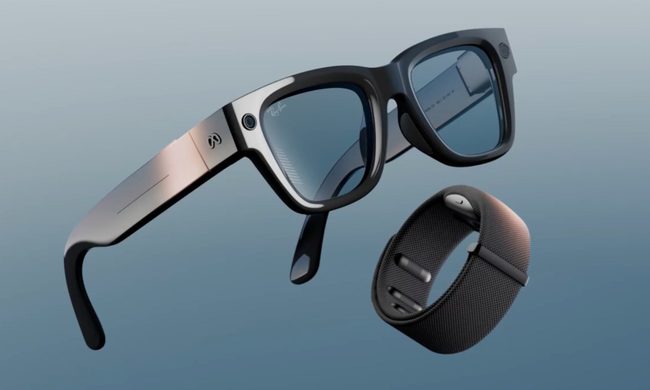
Neural Handwriting is a really cool feature, but Meta opening the Ray-Ban Display to developers is the quiet announcement that turns a clever wearable into a platform with immense possibilities.
Meta Ray-Ban Display and EMG Band.

Six months into its life, the Meta Ray-Ban Display is starting to look less like an experiment, thanks to what is arguably the most significant update Meta has ever pushed for the device. 

The headline feature is Neural Handwriting, which is now available to every Ray-Ban Display owner, having spent its early months in limited access for Messenger and WhatsApp users. 

Read more