1. Home
  2. Phones
  3. Mobile
  4. Virtual Reality
  5. News

HTC’s leaked Vive Flow headset might offer portable VR

Add as a preferred source on Google

For many weeks, HTC has been teasing a stand-alone VR headset that seems to be more portable than the Vive Focus 3. All of these teasers share a common theme of comfort and leisure, and they show a tube-shaped carrying pouch for the VR headset, along with a tagline of “Go with the Flow.” But ahead of the official launch on October 14, seasoned leaker Evan Blass revealed key details about the upcoming HTC Vive VR headset, including its design, features, price, and availability.

The set of images shared by Blass suggest many of the uses of the upcoming HTC Vive headset. Besides confirming what the headset will look like, the images confirm the moniker, Vive Flow, which until now had only been speculated about based on the teasers.

Recommended Videos

As visible in the images, the headset sports a golden-tinted glass that resembles the company’s Project Photon concept smart glasses showcased in 2020. Meanwhile, another image shows onboard processing capabilities, which indicates the HTC Vive will be a stand-alone headset. This corroborates the earlier listing of a VR AIO (all-in-one) product by HTC on the Bluetooth SIG website.

Active cooling system and onboard processing on HTC Vive Flow standalone VR headset.
Image used with permission by copyright holder

The temples of the smart glass will be foldable for ease of use and portability, and they will feature earphones for an “immersive spatial audio” experience. The images also suggest the headset is designed to focus on “well-being and mindful productivity,” indicating it may have modes to help users meditate when they are not looking for entertainment. The Flow is likely to come with special modes to help users unwind in bed with features for improved sleep.

Leaked material also shows that HTC Vive Flow will connect to a smartphone via Bluetooth — that’s in addition to the wired USB-C connection shown in another image. Users will be able to cast content directly onto the headset from their smartphone and use the phone as a handheld controller.

https://twitter.com/evleaks/status/1448090419452121097?s=20

https://twitter.com/evleaks/status/1448090431401693191?s=20

Lastly, the leaks confirm that the HTC Vive Flow will be up for pre-orders starting October 15 for $499. Shipping begins in early November and comes with freebies such as seven free VR content bundles, two months of access to a service called “Infinity Vista,” and a carrying case. While we are unaware of what Infinity Vista might be, Road to VR speculates this could be a toned-down version of HTC’s Vive metaverse — Viveport Infinity.

Tushar Mehta
Tushar is a freelance writer at Digital Trends and has been contributing to the Mobile Section for the past three years…
Gemini Intelligence has strict requirements, and your phone may not qualify
Gemini Intelligence

Google’s new Gemini Intelligence platform is quickly becoming one of the biggest talking points in the Android world right now. After being highlighted during this week’s Android Show, the feature is already being tied to several upcoming premium foldables and flagship phones. But there’s a catch: not every high-end Android device will be able to run it. And surprisingly, even some of Google and Samsung’s latest foldables may miss out.

According to Google’s requirements, Gemini Intelligence isn’t just another software update you can casually push to older devices. The company appears to be building this around a much stricter hardware and long-term software support system. To qualify, a phone needs a flagship-grade chipset, at least 12GB RAM, support for AI Core, and Gemini Nano v3 or newer. That immediately creates a problem for several current-generation phones.

Read more
Meta’s Ray-Ban Display now types messages from your finger movements
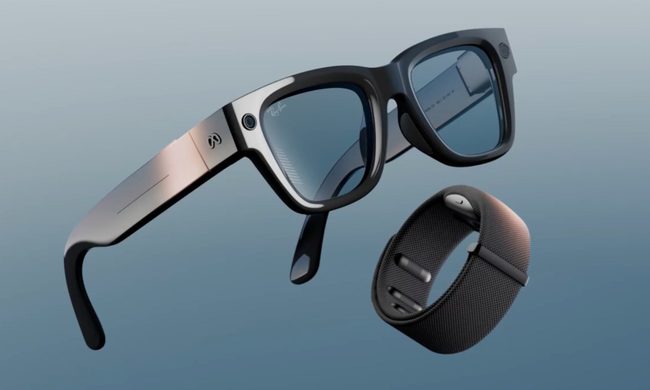
Neural Handwriting is a really cool feature, but Meta opening the Ray-Ban Display to developers is the quiet announcement that turns a clever wearable into a platform with immense possibilities.
Meta Ray-Ban Display and EMG Band.

Six months into its life, the Meta Ray-Ban Display is starting to look less like an experiment, thanks to what is arguably the most significant update Meta has ever pushed for the device. 

The headline feature is Neural Handwriting, which is now available to every Ray-Ban Display owner, having spent its early months in limited access for Messenger and WhatsApp users. 

Read more
WhatsApp is testing disappearing messages that wait for you to actually read them before vanishing
WhatsApp's new After Reading timer deletes messages only after the recipient reads them.
whatsapp-disappearing-messages-after-reading-timer

WhatsApp has always let you send messages that vanish on a timer, but the clock starts the moment you hit send, not when the other person actually read it. That means a message could sit unread for hours and still disappear before anyone sees it.

This is why WhatsApp is testing a new feature called 'After Reading' timer for disappearing messages, spotted in the latest iOS beta update by WABetaInfo.

Read more