  1. Home
  2. Phones
  3. Features

I tried to blur a face in iOS 27. My iPhone gave a new one instead.

Apple tried to make Clean Up smarter, but now your iPhone hands out fake faces like candy.

Add as a preferred source on Google
iPhone clean up tool creating a new face
Rachit Agarwal / Digital Trends

Apple added the Clean Up feature with the iOS 18.1 update. While the main purpose of this feature was to remove unwanted objects from your shots, it could also be used to hide faces in photos. You just circled a face in the photo, and it would automatically blur it. Apple called it Identity protection.

With the iOS 27 update, Apple has improved the Clean Up feature, and now it can clear even more complex scenes. However, with this improvement comes a caveat. In the first beta, the hide faces feature is not working. Instead, it’s doing something which is both funny and alarming. 

What happens when you blur a face in iOS 27?

I only found this by accident. I was cleaning up a photo before posting it and went to blur out a face. I opened a photo, selected the Clean Up tool, and circled a face just like I always had. On the first few attempts, it outright lied to me. 

It tells me that the identity protection has been applied. But as you can see in the screenshot, the face is clearly visible. So I tried to force its hand. Instead of circling the face, I painted over it with my finger. That’s when a strange thing happened. 

Recommended Videos

Instead of blurring the face or removing it, it created a brand new face. Yes, it gave the person in the photo a new face, and it did such a convincing job that if I shared the photo with anyone, they wouldn’t be able to tell that the original face had been replaced with an AI-generated one.

Just to make sure that I am not hallucinating or it’s a freak event, I tried to replicate this with multiple photos of different people, and the same thing happened every time. If I circle a face, it would lie to me that the face has been blurred, and if I paint over it, it would generate a completely new face. 

I know this is the first developer beta, so bugs are expected, but this is not a bug, but a case of AI hallucination. I think since Apple is using Gemini models to train its Apple Foundation Models, it’s also getting the bad parts of it. 

We all know most AI models, including Google Gemini, have a history of hallucinations, and that’s what might be happening here. 

What should you do for now?

The good news is this is the first developer beta, so there’s a real chance Apple catches this before the public beta lands in July. If you rely on this feature to blur faces, my advice is to hold off on the beta and stick with iOS 26 for now, where the blur still works the way you expect.

If you’re already on iOS 27 and need to hide a face today, your safest bet is to use the old trick of using an emoji to hide faces in photos. I’ve sent feedback to Apple through the Feedback app, and I’d encourage you to do the same if you run into this. 

The more reports Apple gets early, the better the odds this gets fixed before release. A tool meant to protect people’s privacy shouldn’t be inventing new people instead, and I hope this is one hallucination Apple irons out fast.

Rachit Agarwal
Rachit is a seasoned tech journalist with over ten years of experience covering the consumer technology landscape.
Wikipedia just turned “On This Day” into a delightfully nerdy daily game
Electronics, Mobile Phone, Phone

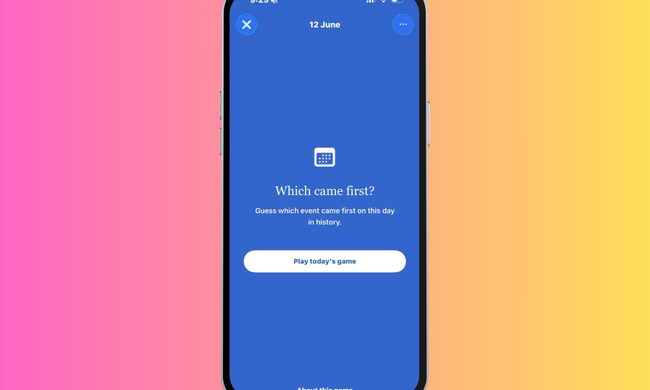
Wikipedia has spent decades being the internet’s favorite rabbit hole. You visit to check one fact, and somehow end up reading about ancient empires, obscure inventors, or a centuries-old battle you never knew existed. Now, the online encyclopedia is leaning into that curiosity with a new game for iPhone users — and it might be one of its smartest ideas yet.

Called Which came first? The new feature has arrived in the latest version of Wikipedia’s iOS app, after debuting on Android. The concept is wonderful: players are shown a series of historical events and must determine which one happened earlier. There are five questions to answer each day, and every event is tied to something that occurred on that particular date in history. In an era where mobile games often demand endless grinding, battle passes, or suspiciously timed notifications, there’s something refreshing about a game that simply asks you to think for a minute.

Read more
iOS 27 hands-on: the iPhone update I have been waiting for
Faster, smoother, and far less buggy. iOS 27 is the glow-up your iPhone has been begging for.
iOS 27 beta update open on iPhone

Apple dropped the first iOS 27 developer beta right after its WWDC 2026 event, and I installed it almost immediately. Although I don’t recommend anyone install a developer beta update on their primary iPhone, I couldn't hold back, as this update seemed like the one iPhone users have been asking for years. 

iOS 27 isn't one of those updates that throws a crazy new feature at you every turn. There's no dramatic redesign here and no laundry list of flashy features. Instead, Apple went back to its roots and fixed, refined, and polished what already existed. 

Read more
Waze is catching up on traffic lights, just not for everyone yet
A useful Google Maps and Apple Maps feature is spreading slowly through Waze.
Waze

Waze is starting to show traffic lights during navigation, but the update still isn’t reaching everyone at the same time. For drivers who rely on Waze every day, the new Waze traffic lights view is useful and overdue.

The change brings Waze closer to Google Maps and Apple Maps, which already show similar road cues. It’s a small visual addition, but it can help on long roads where the next signal affects how early you’ll slow down, change lanes, or prepare for a turn.

Read more