For me, there are basically two kinds of panic in life. The first is sending a risky text to the wrong person. The second is handing my unlocked phone to someone and instantly remembering that my entire digital life lives inside it. Unfortunately, I have experienced the second one far too many times. Most of the time, the reason is completely harmless. A friend wants to click a quick picture, my cousin asks to watch a reel, or someone just wants to place a food order or check the cricket score. But the second my iPhone leaves my hand, my brain starts speed-running through everything stored inside it — personal chats, banking apps, work emails, private notes, passwords, photos, and those screenshots I always forget to delete.
Smartphones are no longer just phones. They are essentially tiny, portable vaults that hold years of personal information, habits, conversations, and memories. Lending someone your device can feel like handing them a small extension of your brain for a few minutes. And honestly, that thought alone is enough to make me uncomfortable. That is exactly why one iPhone feature has become essential for me. It is called Guided Access, and I use it almost every single time someone asks to borrow my phone.
My iPhone now comes with invisible boundaries
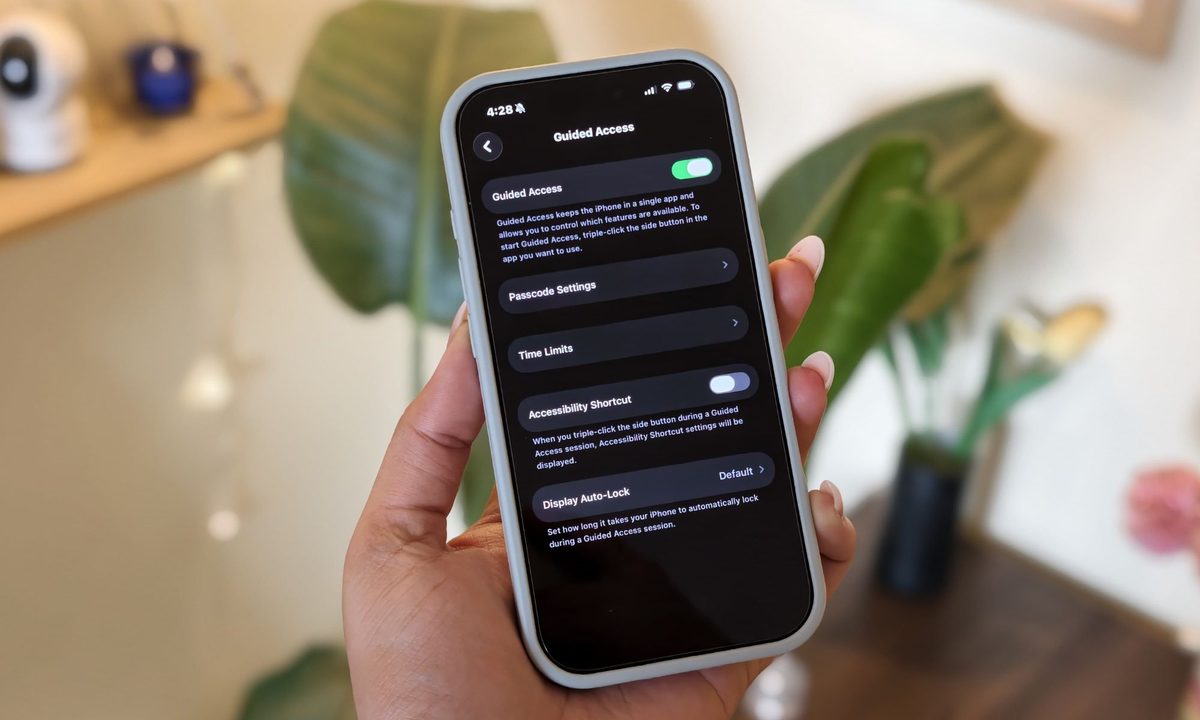
The easiest way I can explain Guided Access is this: it temporarily traps your iPhone inside a single app. So if I hand my phone to someone to watch an Instagram reel, they can just watch the reel. What they cannot do is casually swipe into my gallery, open WhatsApp, peek at notifications, or start wandering through apps I never intended to show them in the first place. It creates boundaries without turning the situation awkward.
And honestly, that balance is important. Most of us are not being rude when someone asks to borrow our phone. You do not want to hover over their shoulder the entire time or snatch the device back every few seconds like an overprotective raccoon guarding treasure. But at the same time, smartphones today hold far too much personal information to hand over carelessly. Guided Access removes that weird tension entirely because the phone physically cannot leave the app you locked it into.
I actually started using it after one very specific incident that permanently changed how I share my phone. I handed my iPhone to someone just to show them a single photo. Within seconds, they started swiping through my camera roll like they were casually touring a museum exhibition. Nothing disastrous happened, thankfully, but the experience reminded me how casually we treat personal data until somebody almost stumbles into something private by accident.
That was the moment I realized most phone privacy issues do not come from hacking or malware. Sometimes they come from completely normal social situations where boundaries simply do not exist. Since then, enabling Guided Access before handing over my phone has become second nature to me. It takes only a few seconds, removes the anxiety completely, and lets me stay relaxed instead of mentally preparing for a potential privacy disaster every time my phone leaves my hand.
This triple-check has saved me so much unnecessary stress
What I genuinely love about Guided Access is how absurdly simple it is to set up. Here is how to enable it:
- Open the Settings app.
- Head to Accessibility.
- Scroll down and tap Guided Access.
- Turn the feature on.
- Set a passcode or enable Face ID for authentication.
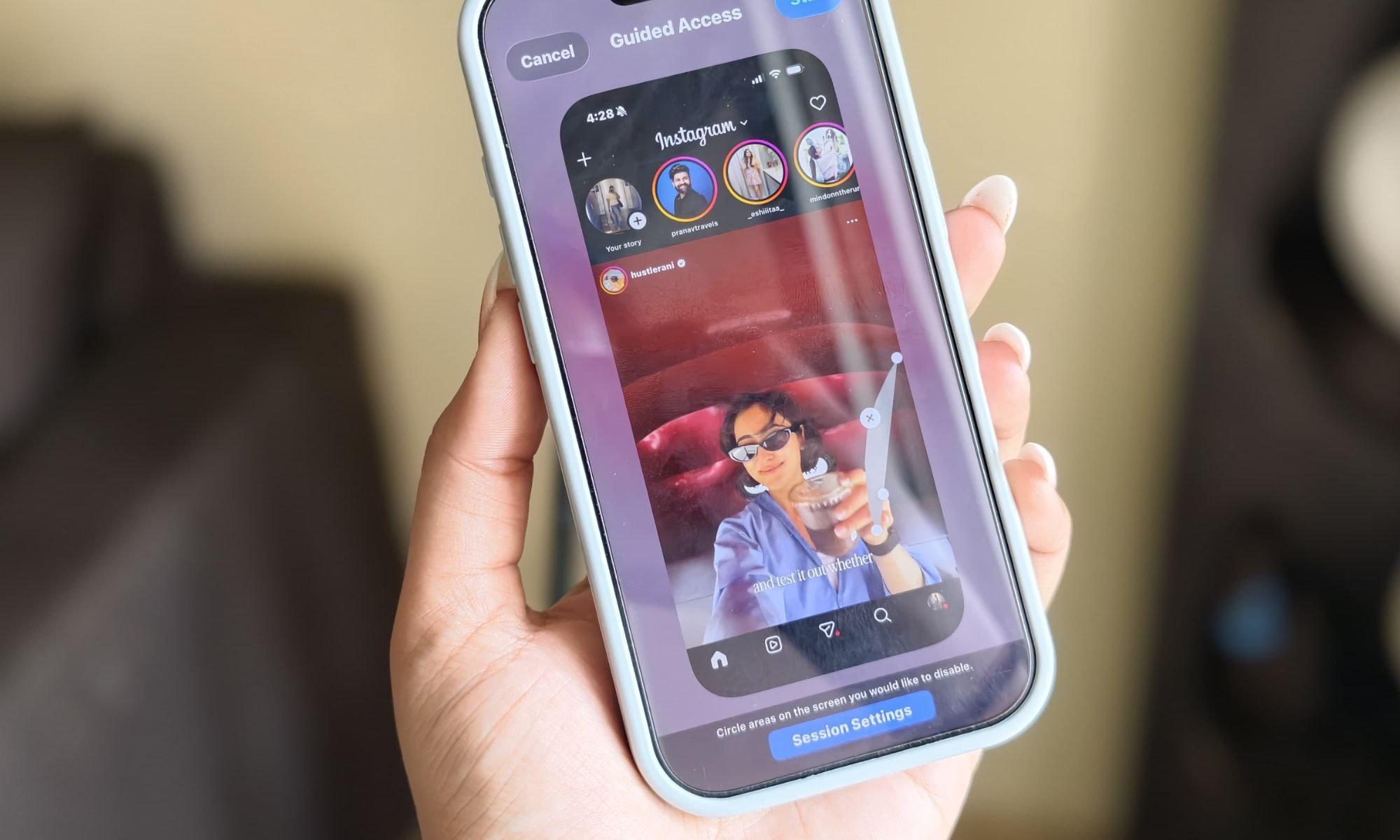
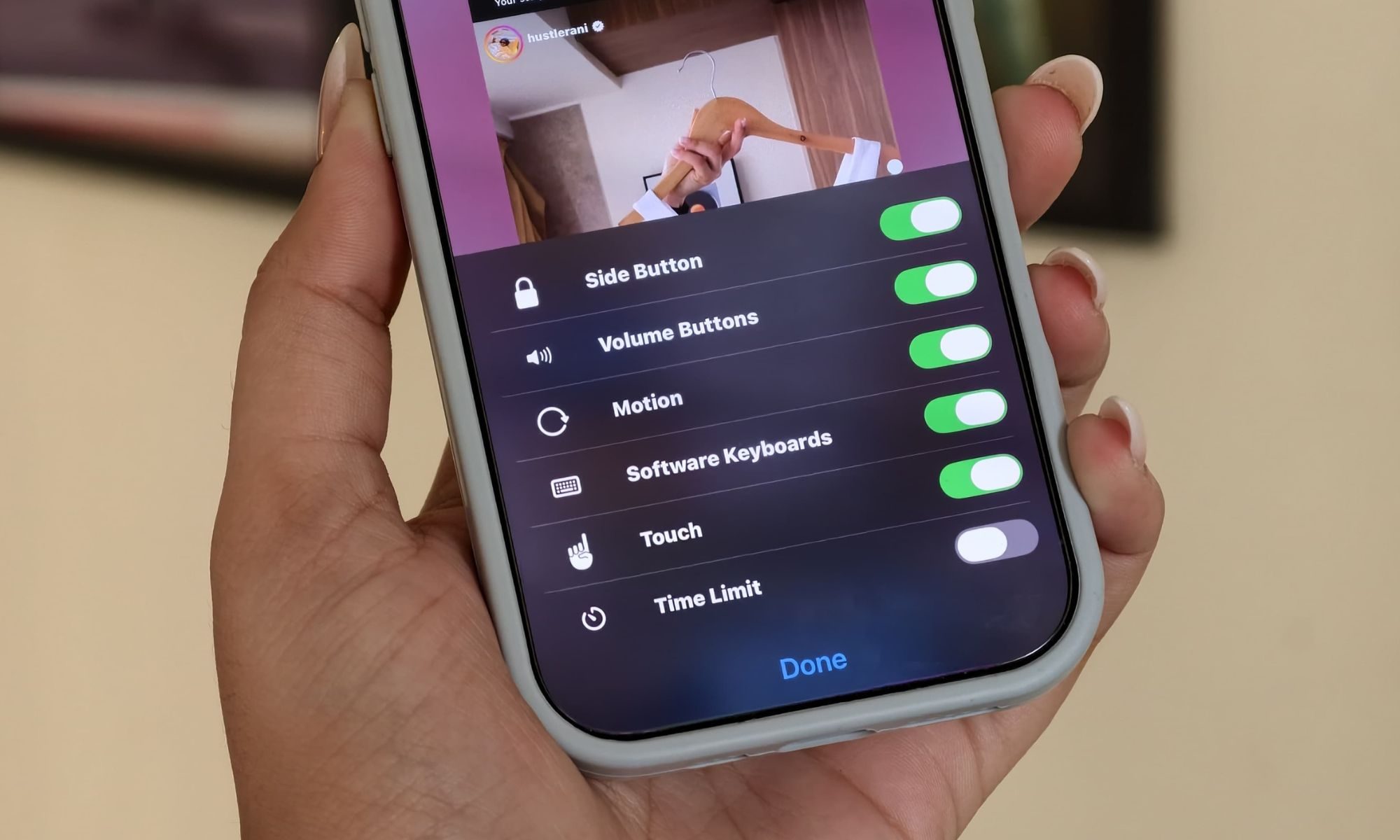
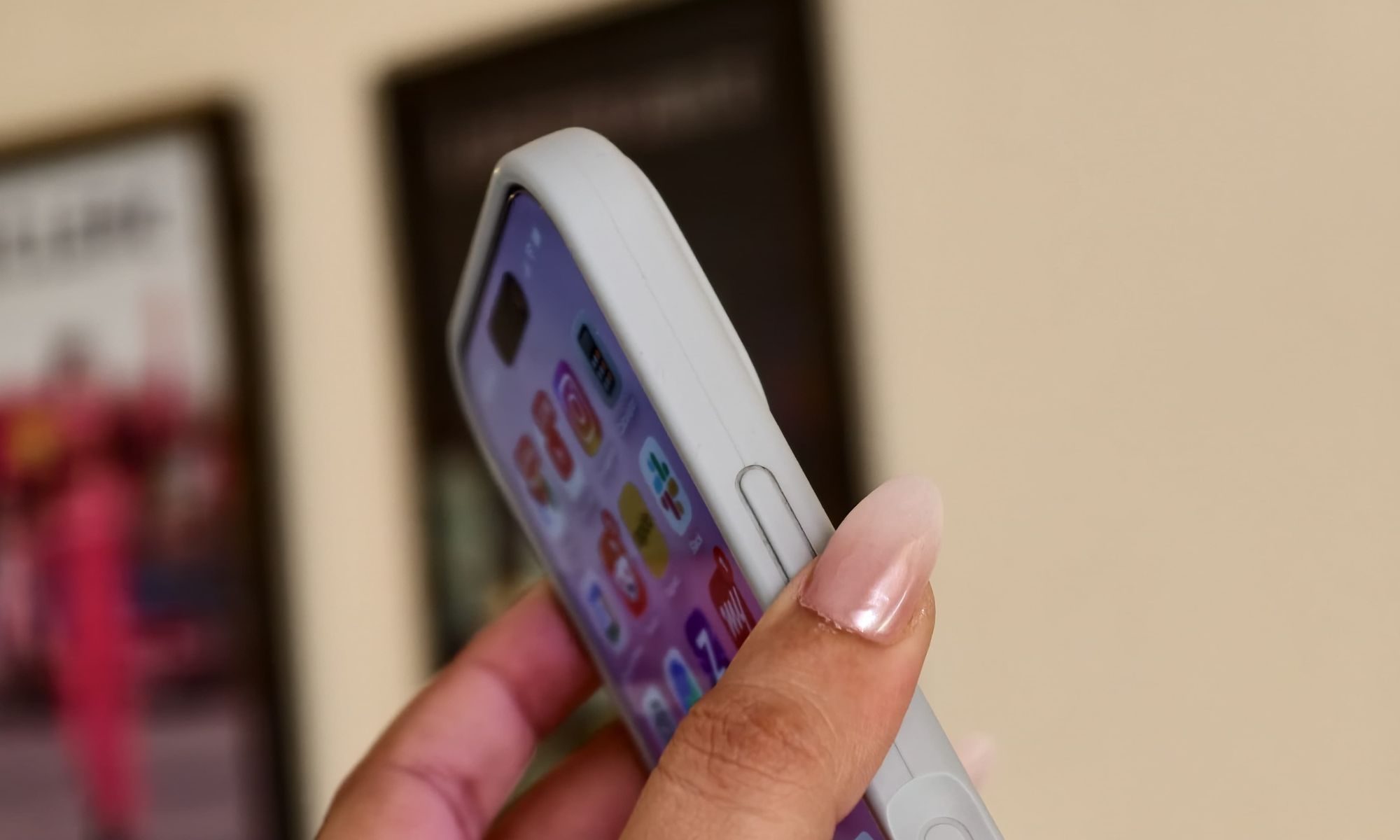
Once you do this, the experience becomes incredibly seamless. Whenever you are about to hand your phone to someone, just open the app you want them to use and triple-click the side button. Then tap “Start,” and Guided Access immediately locks the iPhone into that single app. The feature also gives you an unusual amount of control if you want to get more specific. You can disable certain parts of the screen, turn off touch input entirely, block keyboard access, or even disable the volume buttons. It feels oddly powerful for something buried so quietly inside Accessibility settings.
Guided Access prevents all of that chaos before it even begins. It is one of those features you do not care about until you really do.
The calmest my brain has ever felt while sharing my phone
The funny thing about privacy features is that they rarely feel important during normal moments. You do not think about them when everything is going smoothly. They matter during unexpected moments, and suddenly your brain starts imagining worst-case scenarios. That is exactly where Guided Access quietly shines for me. It gives me peace of mind in situations that used to make me subtly uncomfortable. I can hand someone my iPhone to scan a QR code, check directions, queue up music in the car, place a food order, or make a quick call without mentally preparing for accidental oversharing. I no longer have that anxiety where I keep wondering if somebody might accidentally swipe into something personal.
That is probably why I have come to appreciate it so much. In a world where our smartphones contain everything from payment apps and work emails to private conversations, having a simple way to create temporary boundaries feels incredibly underrated. We spend so much time talking about online privacy, hackers, and data leaks that we forget one very real truth: sometimes privacy is just about feeling comfortable when another human being is holding your phone. That alone makes it one of the most useful iPhone features I use daily.