First-generation products usually come with an invisible warning label, which is especially true for foldable devices. They can look exciting and ambitious, but there is often a rough edge somewhere. It could be the distracting crease on the flexing screen or a hinge that feels unsure. Even the design can feel fragile while giving off a premium look.
So, it’s pretty impressive that the Motorola Razr Fold does not give off that vibe. This is Motorola’s first-ever book-style foldable, after years of building its foldable identity with its recognizable Razr series of flip phones. Naturally, you would expect some first-gen caution here. In this category, brands like Samsung, Google, and Huawei have already spent years refining their own approaches. And yet, the Razr Fold comes across as unusually settled for a debut.

The Motorola Razr Fold gets a lot of things right in the first try
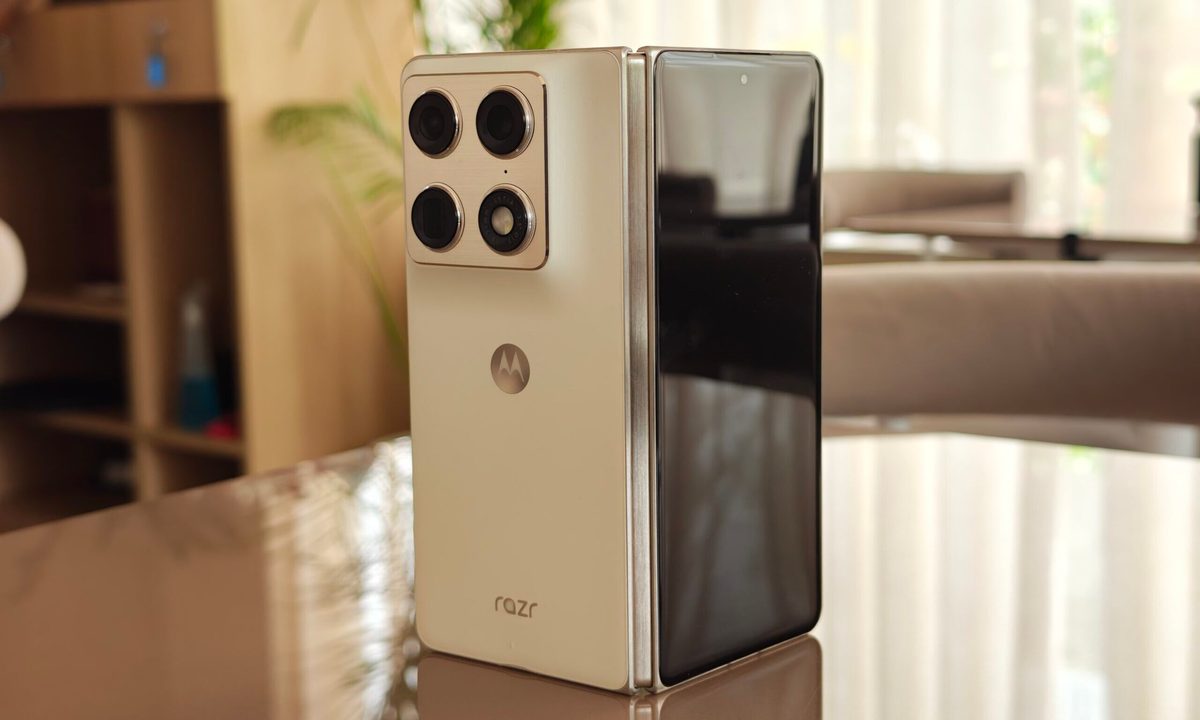
The company was set on building a proper premium device from the start, and it delivered. The aluminum frame gives it a sturdy foundation, while the rear finish adds more personality than the usual glass-and-metal slab treatment. Motorola describes the Pantone Lily White version as having a silk-inspired finish with a subtle sheen. This already helps it stand out from most other foldables in the market.
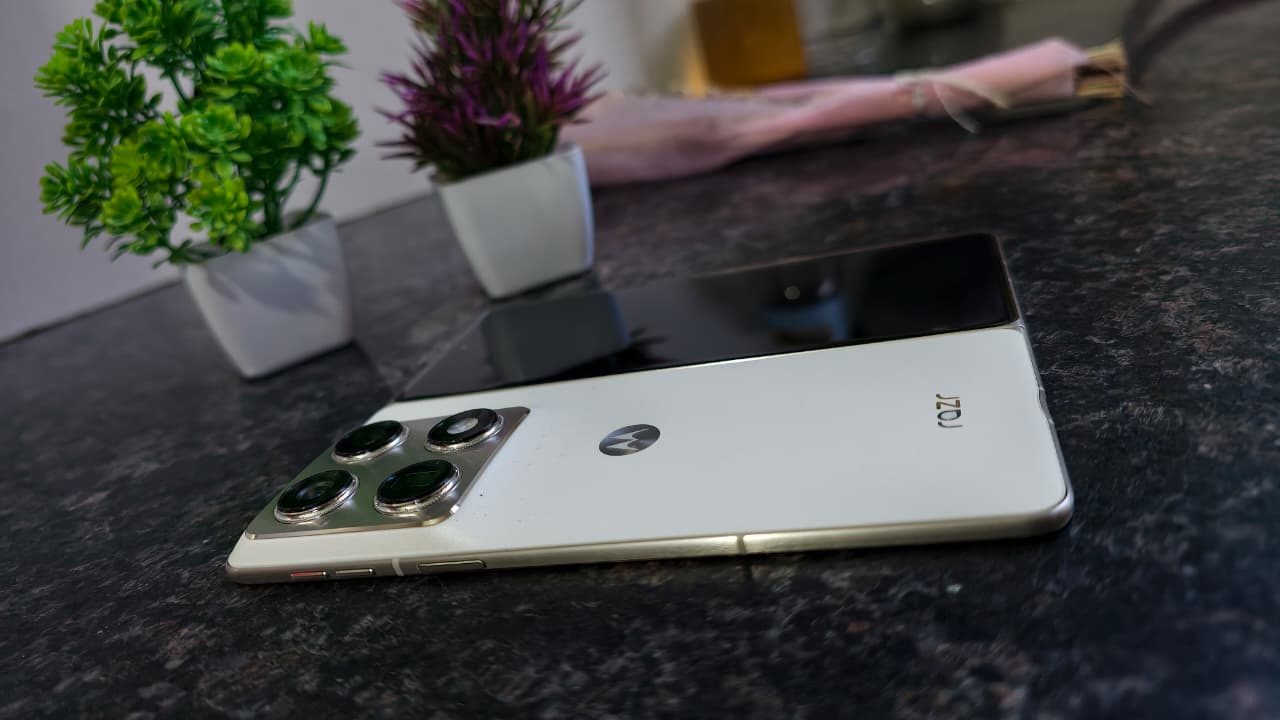
The chamfered edges are another surprising win. They make the phone feel sharper and cleaner in the hand, especially when closed. Foldables can easily become chunky bricks when shut, but the Razr Fold does a good job of looking balanced and intentional.
How the hinge is the real star here
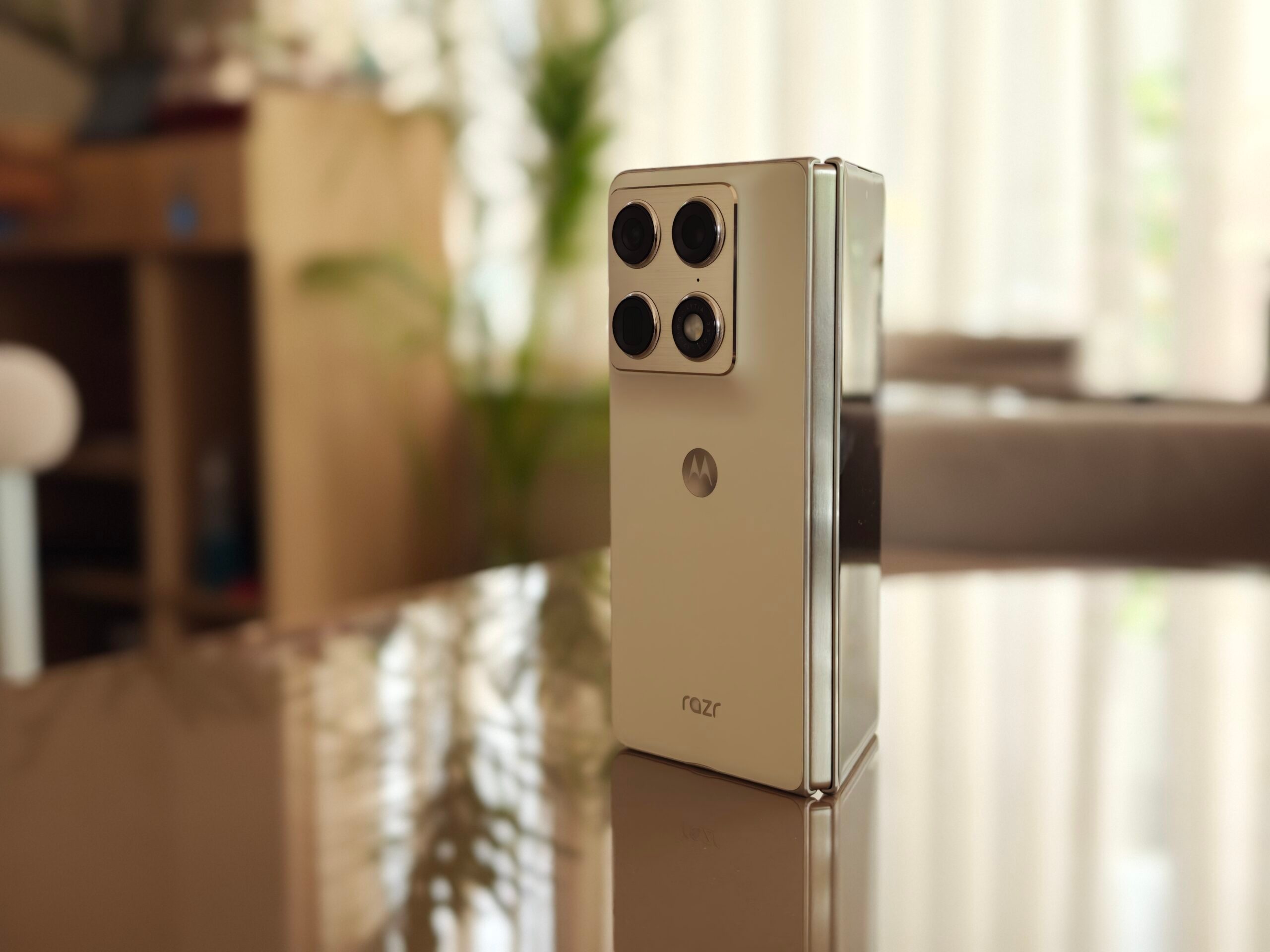
A book-style foldable lives or dies by that middle spine. If the hinge feels loose, stiff, uneven, or fragile, the confidence breaks immediately. Motorola’s Razr Fold avoids this entirely by feeling controlled and confident in hand. The opening and closing action is smooth, yet firm. It holds angles well and never gives the impression of being the first of its kind from Motorola.
Samsung’s own foldables, despite being among the most refined in the category today, took years to get to that point. Up until a couple of years ago, there were still complaints around screen and hinge issues, with the complex display-hinge mechanism becoming an expensive problem. Foldable phones are mechanically difficult, and they take time to really mature.

This is exactly where Motorola made a solid first impression. With its precision-engineered stainless steel teardrop hinge and titanium inner screen plate, the device reduces creasing while also helping make the screen more durable. The phone measures 4.6mm when unfolded and 9.9mm when folded, which is impressively slim for a device with this much going on inside.

The crease problem was not ignored
The teardrop fold design is important because it changes how the screen bends. Instead of forcing the panel into a harsher fold, the display curves into a softer shape inside the hinge area. In my own experience, I was genuinely surprised by the crease being a lot less visible than on many foldables I’ve used recently. It is not claiming to be a creaseless experience, like with the Oppo Find N6, but the attention to this detail is commendable.

The Razr Fold is still a first-generation product, and long-term durability will need time to prove itself. A few days with a foldable cannot answer every question about wear and tear. But as a first impression, this is far more polished than I expected.