Aside from 2020, when the world had pandemic-shaped problems to deal with, you have to go back to 2011 for the last time Apple announced a numbered iPhone outside of September.
Other than the SE/e handsets, iPhone launch windows have been incredibly easy to predict. Indeed, before I went freelance, booking holiday in September wasn’t really an option, such was the certainty of Apple invites arriving and our readers’ thirst for iPhone content (whether they loved or hated the company, they were definitely reading).
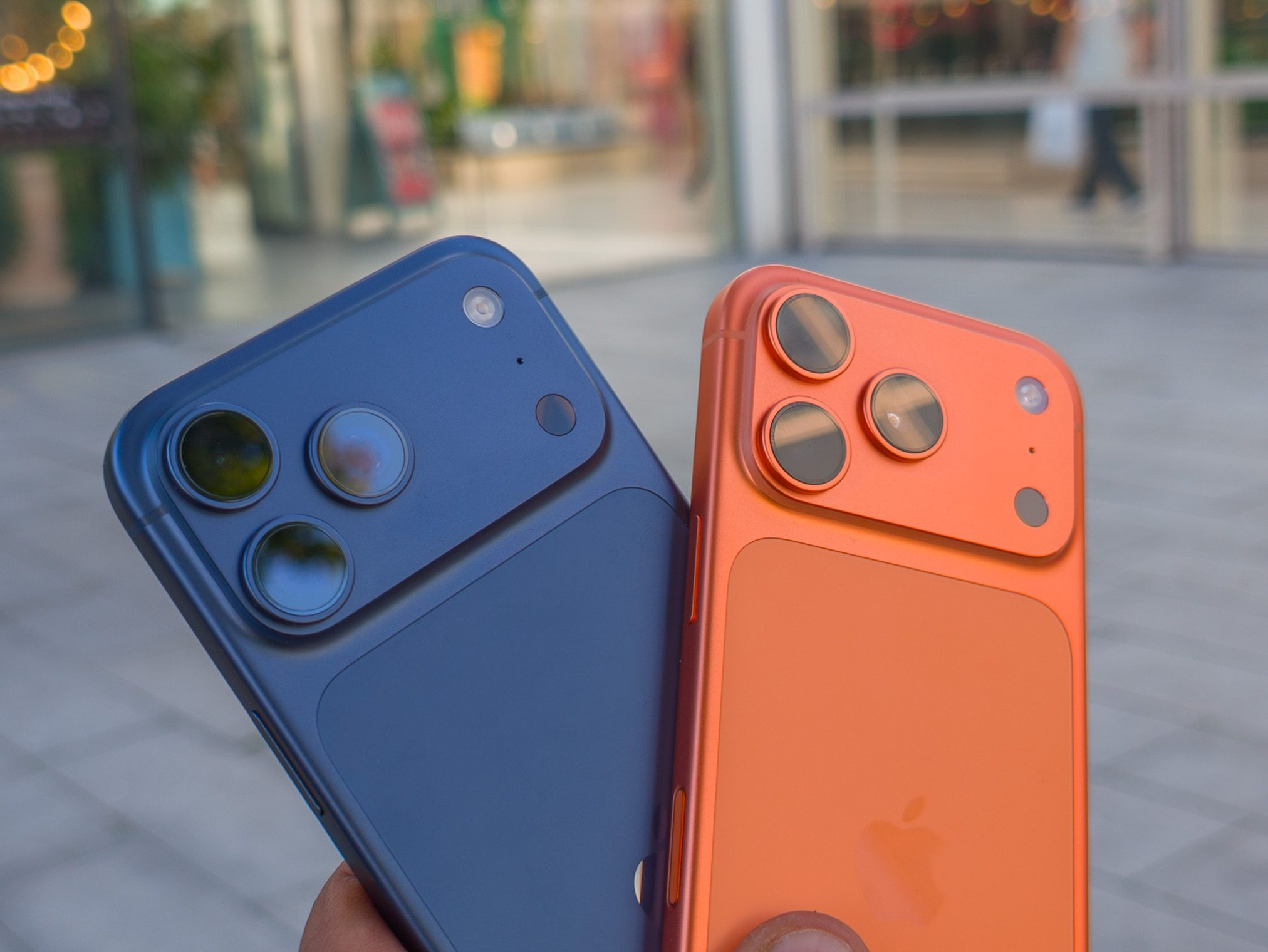
And yet 2026 might be different. Earlier this year, The Information reported that Apple would mix things up with a new schedule next year. While there will still reportedly be the standard September event with Apple executives queuing up to breathlessly hype the latest breakthroughs in iPhone technology, the iPhone 18 apparently won’t be invited. Instead, the event will be dedicated to the iPhone 18 Pro, Pro Max, the first foldable iPhone and maybe the iPhone Air 2.
The regular iPhone 18 won’t follow in October, November, December or January. Instead, The Information says, it will arrive in Spring 2027 alongside the iPhone 18e, no longer considered prestigious enough to rub shoulders with its pricier siblings.
If true — and that’s a big if, given both the fallibility of internet rumors and how quickly plans can change — this strikes me as a big gamble for Apple. A gamble that could commercially backfire for a company that, for all its faults, isn’t usually bad at making commercial decisions.
Go Pro or go home
Apple doesn’t reveal sales numbers for individual products, lumping them together into categories. Nonetheless, clever analysts have had a good go at estimating the numbers, and even allowing for a generous margin of error, the popularity league table isn’t even competitive.
According to CIRP (Consumer Intelligence Research Partners to its friends), in 2024, 42% of buyers opted for the iPhone 16, followed by 26% going for the iPhone 16 Pro Max. The iPhone 16 Pro, meanwhile, grabbed the attention of 19% of buyers, leaving just 13% going for the iPhone 16 Plus.
Apple’s calculation seems to be that these entry-level buyers will either be content to wait six months for their model of choice or will simply suck it up and buy a phone costing over $1,000 instead.
That seems like quite a bold assumption to make for over a third of your buyers. At $799, the iPhone 17 is $200 cheaper than the iPhone Air — a phone that is compromised both in terms of battery life and camera performance. At $1,199, the iPhone 17 Pro is $400 more, or a good 50% more than regular iPhone buyers would be looking to spend. And that’s assuming prices don’t go up next year, which given the state of everything else, doesn’t seem like something you’d bet the house on either.
Upselling a Pro iPhone would once have been pretty easy. I say that as the owner of an iPhone 14 Pro who couldn’t quite stomach the compromises involved in buying the regular model.
But in recent years, Apple has closed the gap between Pro and non-Pro handsets to the degree that if I were buying tomorrow, I’m not sure I’d pay extra. In the years since I bought, the regular iPhone has inherited Dynamic Island, the 48MP main camera, a 120Hz refresh rate on the screen and no longer has to deal with last year’s chipset.
No, you don’t get a telephoto lens — a key selling point to me buying a Pro model in 2022 — but I’ve found myself surprised at how little I’ve used it. Besides, the 48MP camera of the regular iPhone now offers pretty good 2x digital zoom thanks to pixelbinning, so most photographers are adequately catered to.
The waiting game

So people defaulting to a more expensive model certainly isn’t a given, and I’d say counting on people to wait six months is also risky.
Lots of people’s two-year phone contracts expire at the same time as new iPhones launch for obvious reasons, and if there’s not a competitively priced model to switch to, there’s no shortage of excellent Android alternatives that offer a similar experience at a competitive price.
Switching from iPhone to Android (and vice versa) used to be a daunting experience, but now there are tools to make the process easier. Though you might still have to deal with a bit of blue-bubble stigma in group chats.
By September 2026, not only will the current best Android phones have come down in price, but we’ll have the Samsung Galaxy S26, the OnePlus 15, the Pixel 11 and more all vying for the attention of wavering iPhone loyalists. In early 2027, months before the iPhone 18 is expected to launch, we’ll likely have the Samsung Galaxy S27 and the OnePlus 16 fresh out the blocks too.
Alternatively, it could backfire in a completely different way. If Apple is launching the iPhone 18 at the same time as the iPhone 18e, then why wouldn’t buyers save even more money and opt for a model that’ll likely to be $200 cheaper?
In short, the intended upsell could well end up being at best a downsell, and at worse a no-sell.
On paper, it makes perfect sense for Apple to split its flagship phones from its bread-and-butter models. Less time talking about the base models means more attention for its premium offerings, and it’d far rather be talking about new and flashy features, rather than last year’s hand-me-downs.
But I think Apple would regret taking its regular workhorse for granted. If it happens, I wouldn’t bet against a September 2027 iPhone 19 launch swiftly following a Spring iPhone 18 rollout, and for the mistake to not be repeated again.
Of course, with reports the iPhone Air 2 is delayed and the suggestion it might even get cancelled after supposedly poor sales of the first Air, Apple’s line-up could be in line for a major shake-up.