
Motorola is preparing to launch a third Motorola Razr phone in June 2022, according to a new report from German tech site TechnikNews. In the final days of December 2021, the existence of the Motorola Razr 3 was confirmed via a Weibo post from a Lenovo executive. Now this report (and another from the folks over at XDA Developers) purports to share more precise time frames and spec details. Lenovo’s Chen Jin already confirmed that the Razr 3 would be far more powerful than existing Moto Razr phones, and this backs it up. The upcoming device will reportedly be powered by the Snapdragon 8 Gen 1 processor, which is currently the most powerful model in the Qualcomm series.
This processor has been employed recently by the Honor Magic V and will soon appear in the OnePlus 10 Pro handset. The RAM available would be a solid 12GB, though variants with 8GB and 6GB respectively could also be available with up to 512GB of storage. In contrast, the Motorola Razr 5G came with a pedestrian Snapdragon 765G, the same processor that powers the budget Pixel 5a 5G. The previous Motorola Razr came with an even weaker Snapdragon 710. This would represent a significant improvement over both those efforts if true, and it’ll make the Razr a viable alternative to the more powerful and critically acclaimed Galaxy Z Flip 3.
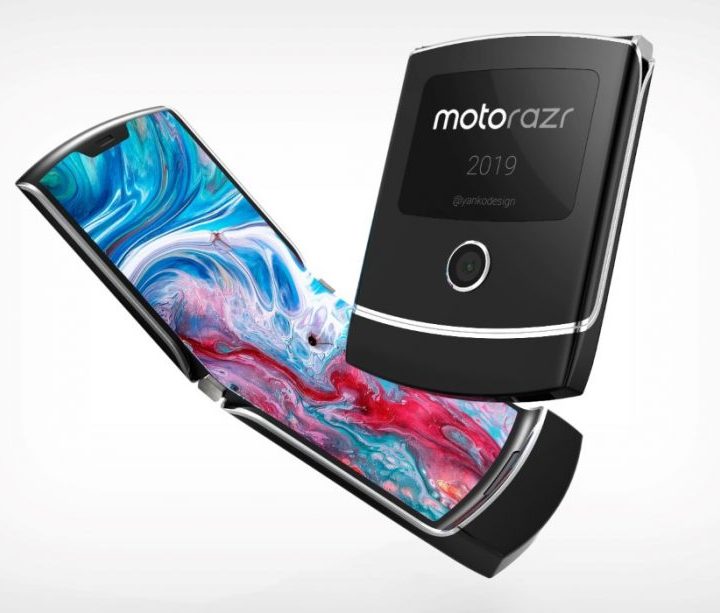
The phone will likely have a Full HD+ AMOLED display with a 120Hz refresh rate like most flagship devices possess. The display would be in a 20:9 ratio while the camera would have a 50MP sensor from OmniVision. Surprisingly, there would also be a 13MP sensor at the back to capture ultrawide and macro photographs. The front camera would also be an OmniVision sensor and it would have a resolution of 32MP. There could be another 50MP camera, though it is currently unconfirmed. Meanwhile, video recording via the main camera can be done in UHD (Ultra High Definition) at 60 frames per second, whereas slow-motion video can be captured at 120 fps. While June is a long time away, it’s worth noting that Google’s Android 12L — a version of Android built to handle foldables more efficiently — is coming in the interim. It is certainly possible that the Moto Razr’s supposed release date was planned with that in mind. Motorola hasn’t had much luck with its foldable so far, especially compared with Samsung. It certainly needs every advantage it can get.


