
It’s time for some brutal honesty. If you’re still asking your friends, “What is TikTok?” you’ve either been living under a rock for the past year or you’re outside the target age range. With stars including young and upcoming stars, one-hit wonders, and even (for some reason) the Papa John’s guy, TikTok is the latest app sensation sweeping the nation. Here’s everything you need to know about TikTok.
What is TikTok?
In short, TikTok is a free app for iOS and Android that specializes in 15-second, musically-oriented videos. While the app was previously known as Musical.ly and initially found its fame through videos featuring lip-syncing to good tunes, it has become so much more.
TikTok videos can feature musical genres such as hip-hop, electronic dance music (EDM), pop, rock, rap, and country in video categories like dance, comedy, food, sports, DIY, animals — pretty much anything. Just to keep it weird, some videos have no music at all.
TikTok isn’t designed to be your big sister’s old Vine account, either. According to TikTok, “It’s raw, real, and without boundaries…It’s from the gut, ‘come as you are’ storytelling told in 15 seconds.” Got it.
In the ever-changing, politically-divided, pandemic-spreading, killer hornet-buzzing, crazy rollercoaster world that is 2020, TikTok has found a home in every nook and cranny. You’ll find TikTok influencers creating content about everything, including politics, financial advice, quick 15-second diaries of their childhoods, how to drive in Texas, what life is like as the #maincharacter in their own movie, and absolutely anything in between. This mad shuffle between topics is driven by the app experience, and content creators are driven by trends that come and go rather than the simple lip-syncing roots of the past.
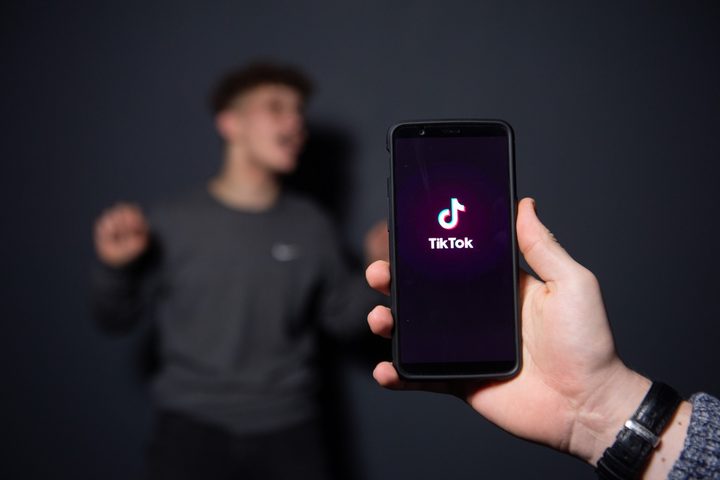
In many ways, TikTok is similar to other personal video apps out there — you capture whatever you’re doing, slap on some other elements (filters, special effects, stickers, and music), and then post it online for all to see. When you create an account, the app algorithm starts curating a personalized video feed targeted specifically to your tastes, based on what you watch, like, and share.
There’s plenty to choose from. The app hosts literally millions of videos gathered from a worldwide corps of creators that are selected specifically for you and designed to keep your eyeballs glued to your screen. It also has commercial content from the corporate world. So far, the formula seems to be working. You may not like every video, but it’s easy to just slide your finger on the screen to move on to the next one, and it’s hard to look away once you get started.
Videos are compelling because they are short: They last only 15 seconds and replay in a continuous loop. You can add sound effects and music to your videos, and you can edit them with millions of royalty-free music clips and sounds. Editing tools allow you to easily trim, cut, merge, and duplicate video clips, as well as add face stickers, emojis, and beautifying effects. The app continuously updates its livestreaming filters with creative new designs. That said, the results are all over the place, from showcasing obvious talent and precious moments — which can be a lot of fun — to videos so dumb as to be nearly unwatchable. A particular favorite is an older guy playing a ukulele and singing Over the Rainbow to his cat — but that’s just me.
Pro accounts

TikTok now differentiates between its regular and more prolific contributors by allowing interested users to view their performance stats via pro-level accounts. These special accounts are designed to give contributors more insight into their performance online and how their audience is responding to their videos. Pro accounts provide an analytics tool to better gauge performance and audience engagement.


Data privacy concerns
This past year has brought with it a long line of tech companies falling victim to one of the most fervent recent geopolitical concerns of the modern day. Burgeoning or established tech companies who are either wholly or partially owned by mainland China-based companies, or who in any capacity hold data on servers in mainland China, are facing increased scrutiny as both the public and private sector in the United States express concerns over potential data-sharing with the Chinese government in Beijing. First it was Huawei, then Zoom, and now TikTok is being placed under the microscope of responsible data management in a country known for spying on its citizens both at home and abroad.
Private companies have begun prohibiting employees from having TikTok installed on company and employee devices, and the U.S. government is even “looking at” banning the app outright. With the United States in a presidential election year, the concern for foreign state interference is at an all-time high. Major political parties in the United States have even issued warnings to their constituencies about the app.
Where this all falls remains to be seen, but always make sure you are educating yourself on where your data ends up. If you’ve weighed the facts and are considering deleting TikTok from your device, then make sure you consider how far that particular concern could take you.
Bottom line
TikTok is a thriving marketplace filled to the brim with creativity, and its Vine-meets-Musical.ly vibe, combined with 15-second glimpses into other people’s worlds and lives, gives it an appeal that is capturing the attention of millions around the globe. The platform has grown so large that there is likely something for everyone on it, so if you haven’t checked it out, now is as good a time as any. If you aren’t on TikTok, then you’re missing out on some good wholesome content, like Gordon Ramsay doing TikToks with his daughter while stuck at home.


