There’s a certain comfort in downloading an app that millions of others already use. If it’s trending, topping charts, and splashed across your feed, it must be safe… right? Not quite.
A new warning from the FBI suggests that some of the most popular apps on your smartphone — yes, the ones you casually installed during a late-night scroll — could be quietly collecting far more data than you ever intended to share. And the concern isn’t limited to one country. It’s global, messy, and a lot closer to home than it sounds.
The problem isn’t the app — it’s where it comes from
The FBI’s latest public service announcement doesn’t name and shame specific apps. That would be nearly impossible, given how quickly app charts change. It points to a much broader concern: foreign-developed apps, particularly those tied to jurisdictions with expansive national security laws.

Take China, for example. Its legal framework includes provisions that can compel companies to cooperate with national intelligence efforts. That outright means app developers may be required to share user data if asked. Individually, that might sound like a distant, abstract concern. But collectively, across millions of users and devices, it becomes something far more tangible. Even without an official list, it doesn’t take much to connect the dots. Widely used apps like CapCut, Temu, SHEIN, Lemon8, and even TikTok (and its lighter variants) are often part of this broader discussion. Many of these dominate download charts across both Android and iOS.
As for the permissions, let’s be very honest, nobody reads them. You install an app, it asks for access to contacts, storage, maybe your microphone, and you tap Allow without a second thought. It’s practically muscle memory at this point. But according to the FBI, that’s exactly where things start to unravel. Once permissions are granted, apps can continuously collect data — not just once, but persistently. And that data can include:
- Your contact list
- Email addresses and phone numbers
- Physical addresses
- Device identifiers and user IDs
This is technically the social map of who you know, how you connect, and who you might target next.
Your contacts aren’t just yours anymore
Some apps encourage you to “invite friends” or sync your contacts. But behind the scenes, this can mean entire address books getting uploaded and stored. In some cases, developers openly state that this data may be stored on servers overseas — including in China — for as long as they deem necessary. Now, the most concerning part is that some apps won’t function unless you agree to these terms. So the choice isn’t really a choice. There’s also the risk of malware hidden inside seemingly legitimate apps. It can exploit vulnerabilities in your phone, bypass standard permissions, and install backdoors for deeper system access. This is about potential unauthorized access beyond what you agreed to. And once that door is open, closing it isn’t always straightforward.

It’s easy to presume iPhones are safer. And to an extent, Apple’s tighter ecosystem does reduce certain risks, especially compared to Android’s sideloading flexibility. But safer doesn’t mean safe. iOS apps can still request excessive permissions, store data externally, and operate within the same global frameworks that raise these concerns.
So, what are you actually supposed to do?
The FBI isn’t asking you to delete half your apps overnight. But it is nudging users toward a bit more awareness; something most of us conveniently ignore. A few simple habits can go a long way:
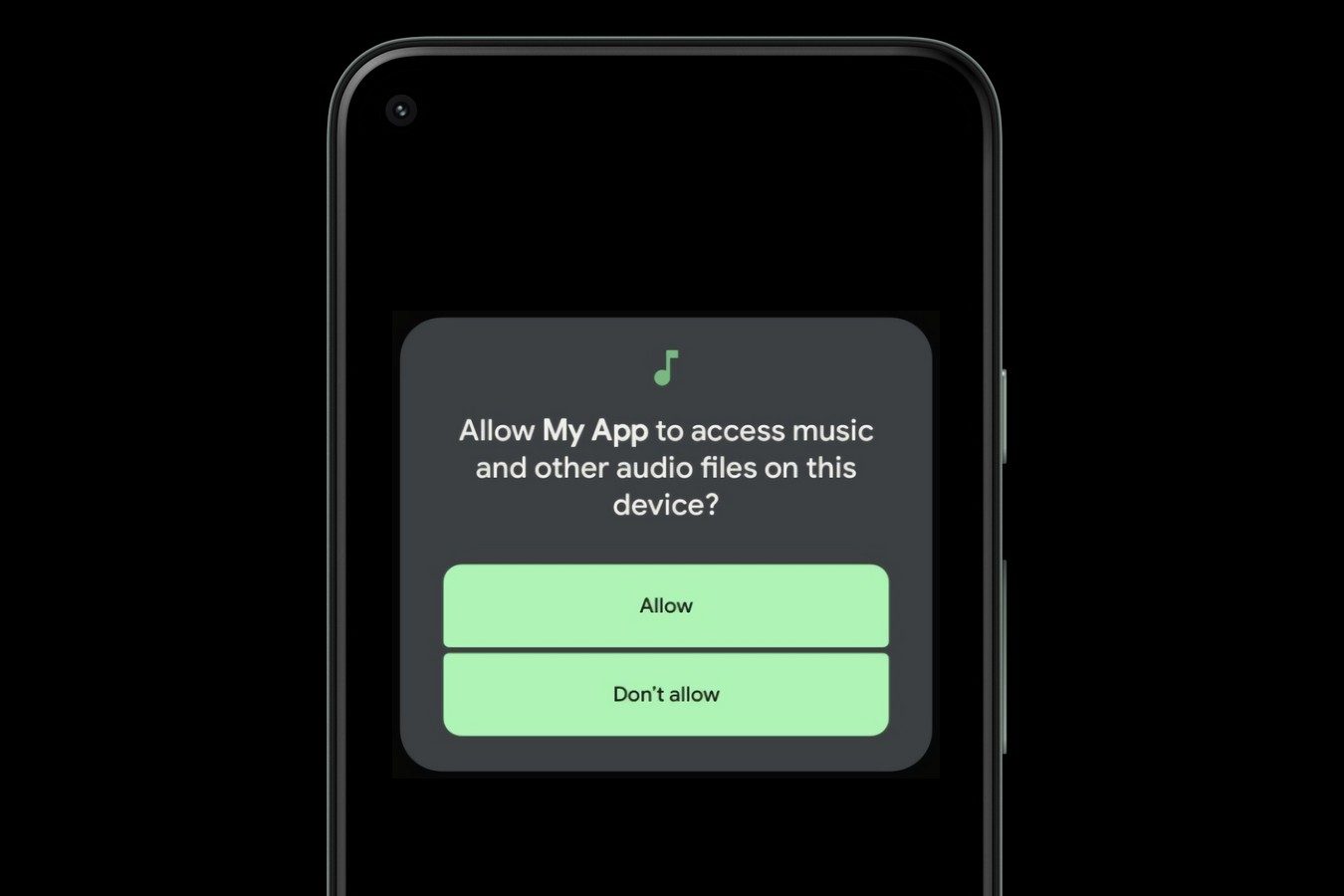
- Check permissions before installing (yes, actually check them)
- Avoid apps that demand unnecessary access.
- Limit contact syncing unless absolutely needed.
- Review privacy settings after installation.
- Be cautious with apps from unfamiliar developers.
Smartphones have become extensions of ourselves: holding our conversations, relationships, routines, and even identities. Apps are the gateways to that world. And while they make life easier, faster, and infinitely more entertaining, they also come with trade-offs that are rarely visible upfront. The FBI’s warning isn’t telling you to abandon your favorite apps. All it’s asking you to do is pay attention.