It feels early to be excited about a new X-T camera, but here I am. Fujifilm has unveiled the X-T4 after openly teasing it for weeks, and I’m in a tizzy. (See what’s new in our X-T4 versus X-T3 comparison.)
I’ve reviewed every Fujifilm X-T camera since the X-T1, including the downmarket two- and three-digits models. I have tested the changes, big and small, that each generation brought. Each new flagship camera took a revolutionary leap over the previous one. The X-T4 is a bit different.
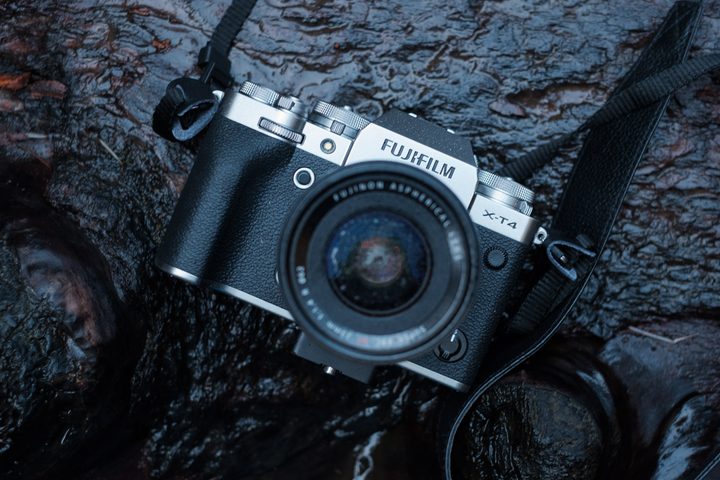
The sensor, processor, and electronic viewfinder — things that no other single-digit X-T cameras share — are carried over from the X-T3. Instead of all-new internals for the new Fujifilm X-T4, Fujifilm is refining what was already an excellent camera, and ironing out the few remaining wrinkles.
In reviewing previous X-T models, I’ve listed a series of recurring cons. These include poor battery life, limited LCD articulation, and the lack of in-body image stabilization. For generations, these were the pain points Fujifilm customers accepted in exchange for an expertly crafted, compact, and otherwise excellent mirrorless camera. The X-T4 addresses all of these points.
That’s great news for photographers, but as a reviewer, I’m worried. I always want to offer criticism of a camera, no matter how good it is, but the new Fujifilm X-T4 might leave me stumped.
The X-T4 is a big deal
Of all the improvements the X-T4 brings to the table, its new 5-axis in-body image stabilization (IBIS) is the most important — and most impressive.
It was just few years ago that Fujifilm claimed sensor-shift image stabilization was incompatible with the X series due to limitations of the lens mount design. There simply wasn’t room to let the sensor to move without sacrificing image quality.
The Fujifilm X-H1 challenged that, but it was physically larger than the X-T series, giving Fujifilm’s engineers more room to work. Though the dimensions of the lens mount remained the same, they were still able to deliver a stabilization system that, as far as I could tell, had no effect on image quality.
In fact, when I reviewed the X-T3, I mentioned some customers may prefer to wait for the eventual X-H2, a camera that might combine the tech of the X-T3 with in-body stabilization. The X-T4 proves Fujifilm doesn’t want its customers waiting for anything. Buy this thing now. (The X-H2 is apparently still in the works, if you believe the rumors, but likely not to arrive this year.)
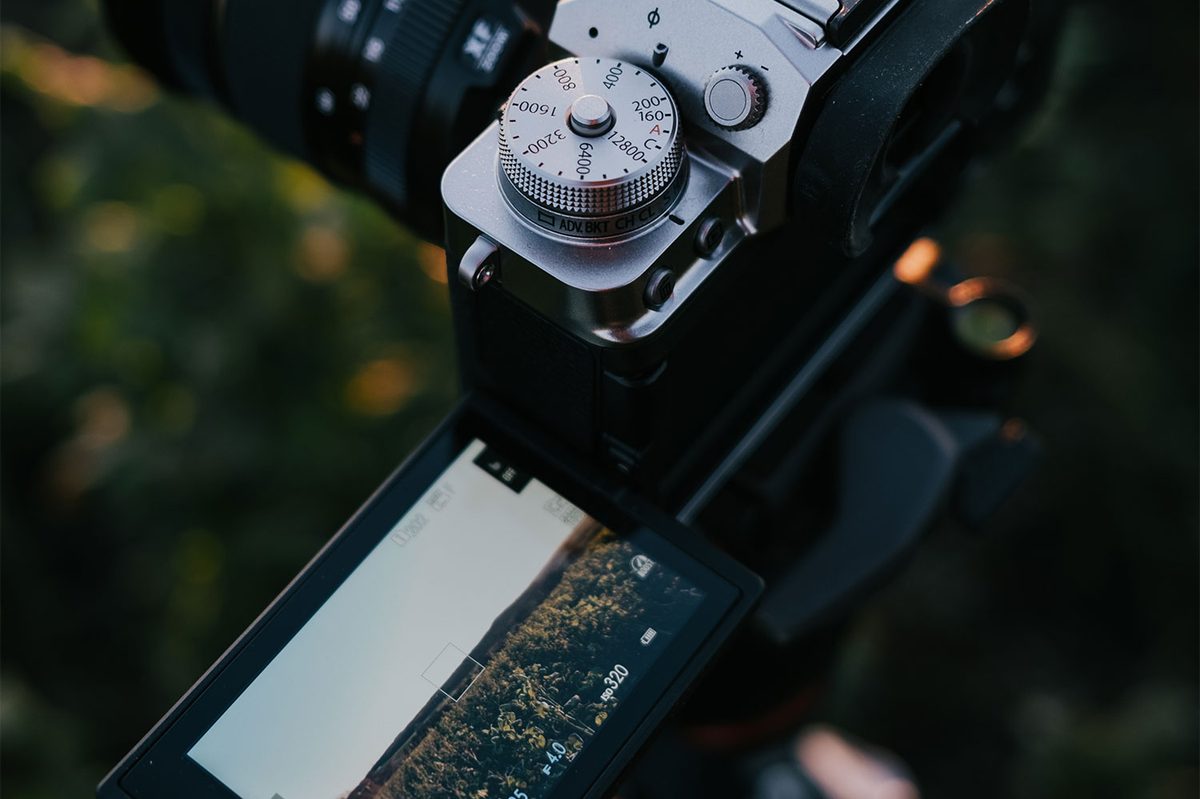
There are Fujifilm fans out there who will say the series never needed image stabilization, and still doesn’t. After all, Fujifilm has used the tagline “the soul of film in a digital world,” and what film camera ever had in-body stabilization?
But times have changed. Fujifilm isn’t a niche brand anymore, and its X-T cameras compete head-to-head with Sony’s popular A6000 line, which had IBIS in its last two flagship models. Add in the X-T4’s vari-angle screen and larger battery, and Sony’s last remaining advantages have vanished.
At this point, the other novel features of the X-T4 — like the mechanical shutter than can shoot 15 frames per second, and improved autofocus that’s sensitive to -6 EV — are just icing on the cake.
Keep an eye on this camera
Perhaps I am being too hasty in my race to praise the X-T4. Unlike some technology journalists who had a chance to play with it at Fujifilm’s special event, I have not had any hands-on time with it. But, much of its physical design and underlying technology are a known quantity. Unless the hinge on the vari-angle screen breaks or the stabilization simply doesn’t work, this will be the camera that erases every complaint I’ve ever made about the X-T series.
That won’t mean it’s a perfect camera for everyone, of course. There are limitations of the APS-C sensor size, and some photographers don’t enjoy the analog-inspired control scheme. Still, I think the X-T4 will be the best camera at its price, even though the price is $200 more than the X-T3. I’m going to have to do some serious nitpicking, and find new things to complain about.
Challenge accepted.
Price and Availability
The Fujifilm X-T4 will Buy at Amazon and is expected to hit stores in spring of 2020.