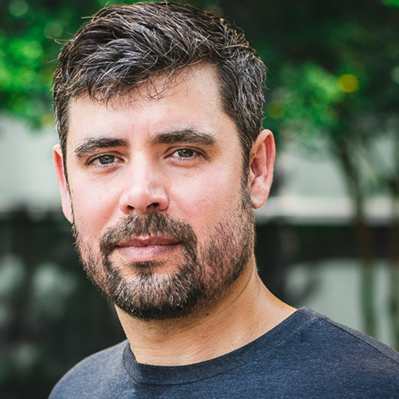
For the past three years, brothers Jim and Will Pattiz have been documenting the U.S. national parks with a mix of time-lapse photography and realtime video. The filmmakers and founders of Sea Raven Media visited their first national park five years ago — a trip that planted the seed in their minds for what would eventually grow into More Than Just Parks, a multi-year effort to film all 59 national parks. They just released their 10th film, leaving 49 to go.
Digital Trends has covered the release of several previous More Than Just Parks films, but for the latest, Hawai’i Volcanoes, we were fortunate enough to catch up with the Pattiz brothers at the premiere. In a question and answer session following the film, we learned more about what goes on behind the scenes and how they plan to incorporate new technologies, like virtual reality, into upcoming projects.
“The places that we were filming from are totally gone. The landscape is constantly evolving.”
Typically, the brothers will spend anywhere from two to four weeks filming a park. They spent most of last December at Hawai’i Volcanoes during the rainy season, but it ended up being the perfect time to capture one of the best features of the park: lava flowing into the ocean.
“We were lucky enough to be there when the lava was actually hitting the water — and it ended up being quite dangerous, too,” said Will.
When the lava meets the ocean, it creates a gigantic plume of steam that rises into the air. But the resulting cloud isn’t just water vapor; it’s also made up of methane and hydrochloric acid. It’s toxic to breathe, and even at a distance can be dangerous. The ocean winds are constantly shifting and can change the direction of the cloud in an instant, making it difficult to predict where it will go next.
“If the plume comes back over you, you can get acid rain that starts to come down,” said Jim. This can be particularly dangerous with set up cameras and support equipment that may have to be moved at a moment’s notice.
The landscape itself also presents a challenge. “The places that we were filming from are totally gone. The landscape is constantly evolving. New landscape is forming every day,” Jim said.
Tools of the trade
When it comes to filming in extreme and remote locations, the Pattiz brothers travel as light as they possibly can without sacrificing their ability to capture great content. “It’s all about what we mind the least hiking with for 20 plus miles,” said Will.
A Blackmagic Design URSA Mini 4.6K cinema camera is the primary real-time video camera, while the Sony A7R II plays a supporting role. A Canon 5D Mark III is used for capturing time-lapse sequences, often mounted atop a Stage One motorized slider from Dynamic Perception. For Hawai’i Volcanoes, the Pattiz brothers managed to haul a massive Canon 400mm f/2.8 lens with them, but they said they otherwise keep lenses to a minimum.
“We love the URSA Mini because it’s so light weight and so versatile,” said Will. The camera also has a high dynamic range, which helped the Pattiz brothers partner with Dolby to provide them content to show off the new HDR capabilities of Dolby Vision. Television manufacturers like Sony and LG have also licensed footage from the Pattiz brothers. If you’ve been to CES (the Consumer Electronics Show), you likely saw footage from More Than Just Parks playing on demo TVs.
“You can’t trust everyone to fly a drone responsibly.”
One thing you won’t see in the More Than Just Parks videos are aerial shots, as the use of drones is banned in all national parks. While the Pattiz brothers are intrigued by the opportunities a drone would afford, Jim said they understand why the rule is there: “You can’t trust everyone to fly a drone responsibly.”
Will added, “Someone flew a drone into the Grand Prismatic in Yellowstone and it’s still there. But the aerial perspective, we will look into that going forward, whether it’s by airplane or helicopter or whatever.”
From passion to business
What started as a passion project and grew into an obsession is now a self-sustaining business; something the Pattiz brothers had never foreseen. Today, thanks in part to the licensing agreements, they can focus most of their time on More Than Just Parks, which is also supported by print sales and donations.
The project has caught the attention of other organizations, as well. The Forest Service has contracted the Pattiz brothers to produce content for its “Your Forest, Your Future” campaign which, for the first time ever, will solicit public input on how the national forests will be managed going forward.
The project is still in pre-production, but the Pattiz brothers confirmed that they were working with Nokia to produce immersive content using Ozo 360-degree cameras. “It’s going to be like Google’s [The Hidden Worlds] VR park tours, only even better,” said Jim.
Later this year, the Pattiz brothers will also wrap a year-long production at Rocky Mountain National Park, the longest More Than Just Parks production yet. They are particularly excited for it as it will be their first film to showcase all four seasons at one park. They will also visit American Samoa National Park, a place that Will said “most folks don’t even know exists.”
For more information and to follow along with More Than Just Parks, head over to its website or Facebook page.