  1. Home
  2. Space
  3. News

Lightsails have hit another speed bump on the road to interstellar travel

The coolest interstellar travel idea may get betrayed by the light pushing it

Add as a preferred source on Google
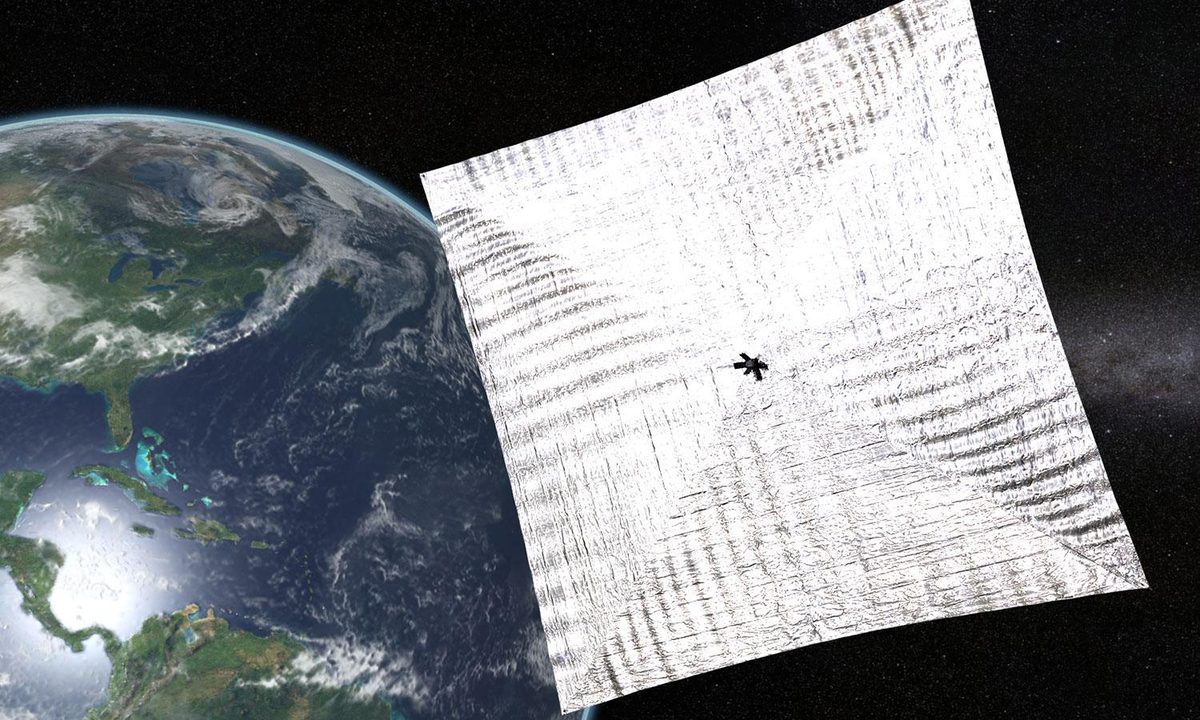
LightSail in Earth orbit
When its solar sails are unfurled, LightSail may be visible to observers on the ground. Josh Spradling / The Planetary Society

Laser-powered lightsails are one of the coolest answers to spaceflight. It might not be as sci-fi-sounding as a warp drive, but now, its practicality has also come under question. Using lightsails, a spacecraft could unfurl an ultra-thin reflective sail and let a powerful laser push it toward another star, without relying on fuel.

The tech was simple and elegant–except it’s also more complicated than it sounds. A new preprint from researchers Chao Shen and Jiaze Li of the Harbin Institute of Technology suggests that relativistic lightsails may run into a hidden propulsion problem once they start moving extremely fast.
How light itself becomes the problem

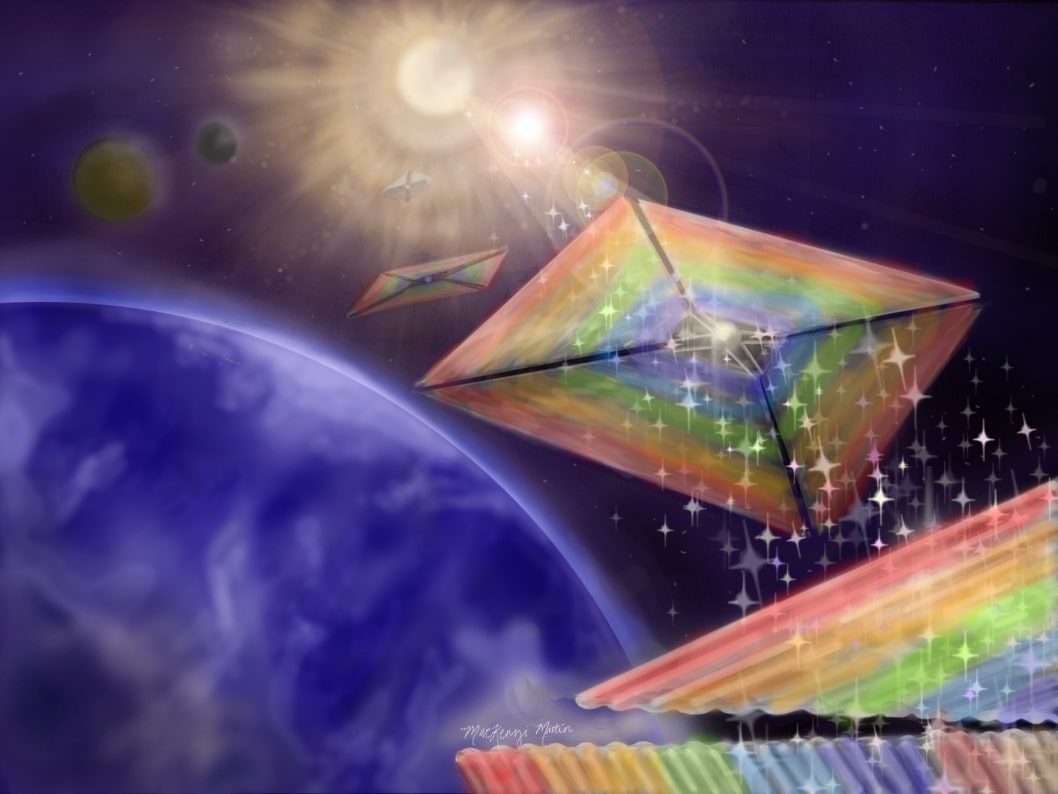
The paper breaks lightsail propulsion into three photon-driven forces, namely incident light, specular reflection, and diffuse scattering. Incident light is the direct push from incoming photons. Specular reflection comes from photons bouncing cleanly off the sail. Diffuse scattering happens when light is absorbed and reemitted in less orderly directions. At lower speeds, all three can help propel the sail.

Recommended Videos

However, the issue comes when a lightsails spacecraft hits relativistic speeds. As the sail moves away from the laser, Doppler effects reduce the frequency of the incoming light. So the thrust from all three components starts to fall off as the sail gets faster. The weird part is what happens when approaching 75% of the speed of light. At this point, the study suggests diffuse scattering can shift from being a weak helper to an active drag force. The net force from the laser still pushes the spacecraft forward, but there is an efficiency drop.

Why lightsail dream still isn’t dead
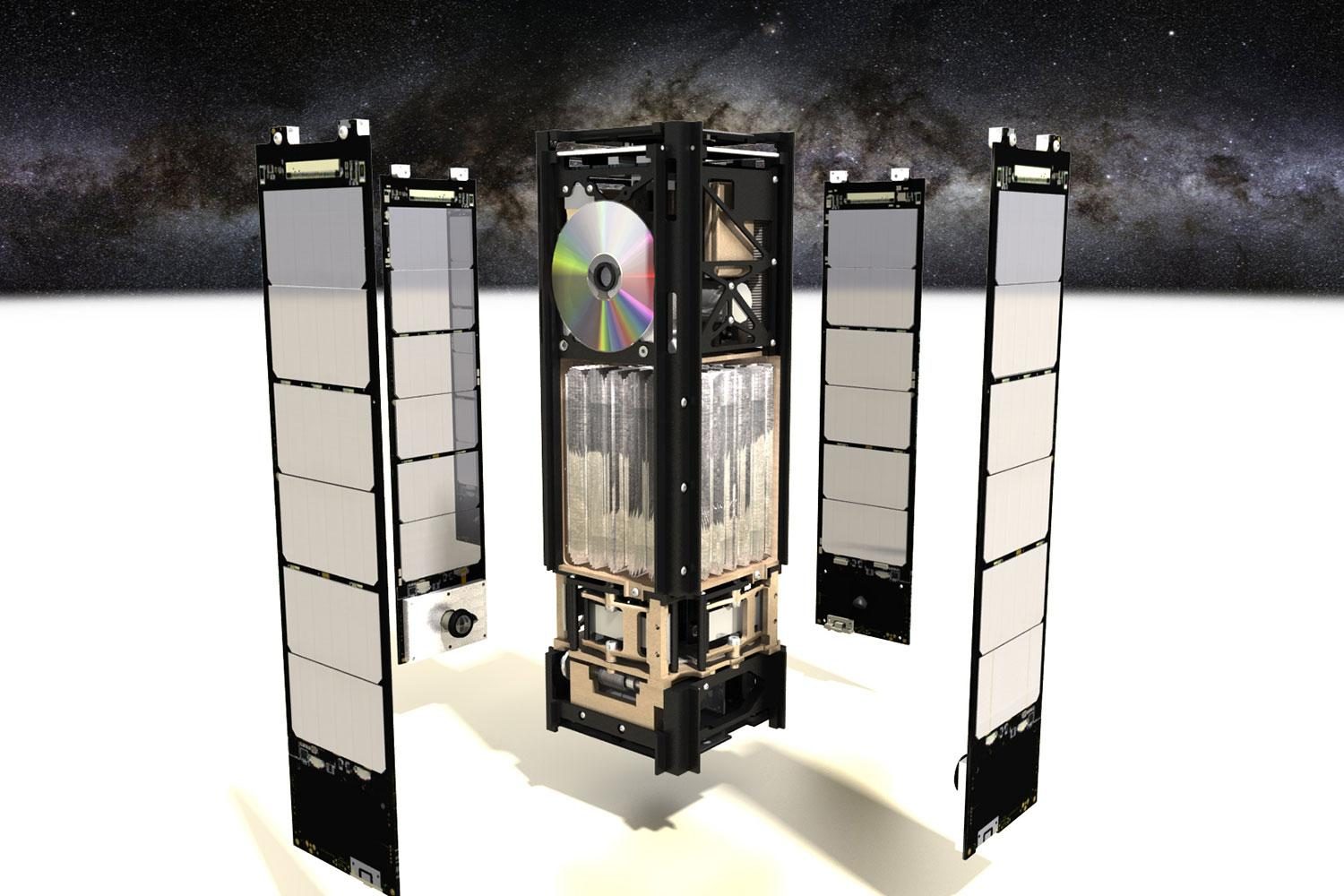
This doesn’t mean that we have to drop the lightsail concept. The study is theoretical, published as a preprint, and focuses on radiative dynamics. It does not model every other nightmare engineers would have to solve, including interstellar dust, gas drag, beam stability, or whether a sail could survive a powerful laser without deforming or melting.

Interstellar lightsails are already a stack of engineering problems. Understanding how light behaves at extreme speeds gives mission designers another constraint to plan around. Advanced materials and photonic structures may still help. But for now, our interstellar spacefaring era still has plenty of aspects that need polishing.

Vikhyaat Vivek
Vikhyaat Vivek is a tech journalist and reviewer with seven years of experience covering consumer hardware, with a focus on…
The galaxy has an exoplanet size mystery, and NASA’s EVE mission wants to solve it
This planet-hunting mission wants to catch baby worlds before they grow up
Artist’s Illustration of Exoplanets Orbiting Barnard’s Star

Mankind venturing into space ended up creating more questions than it answered, and one of the dilemmas is related to the planet sizes. Astronomers have found plenty of rocky super-Earths and plenty of puffier sub-Neptunes, but far fewer planets with a radius of about 1.8 times Earth’s.

That gap is known as the radius valley, and a proposed mission called the Early eVolution Explorer, or EVE, wants to figure out why it exists. NASA has a simple plan: look at planets while they are still young. The mission concept, detailed in a new arXiv preprint and covered by Phys.org, would focus on newly formed star clusters to see what small planets look like before billions of years of evolution.

Read more
We just got a hot signal that a Tesla and SpaceX merger could happen, after all
Tesla

For years, the idea of Tesla and SpaceX becoming a single company has lived somewhere between ambitious business theory and Elon Musk fan fiction. The two companies already share DNA, leadership influence, engineering talent, and long-term goals. But every time the topic surfaced, it felt more like an interesting thought experiment than a realistic possibility. Now, one of the most important people at SpaceX has added fresh fuel to the conversation.

Speaking in a recent CNBC interview, SpaceX President and COO Gwynne Shotwell was asked about the possibility of closer ties between Tesla and SpaceX. Her response wasn’t a flat-out denial. In fact, she suggested that bringing the two companies together could make life a little easier for Musk. That may sound like an offhand comment, but coming from Shotwell, it’s noteworthy. She’s been at SpaceX since its earliest days and remains one of the company's most influential executives.

Read more
Astronauts reportedly took shelter after work on Russia’s leaky ISS module triggered concerns
The ISS really picked a stressful time to start leaking again
The International Space Station.

Astronauts aboard the International Space Station reportedly took precautionary shelter measures after maintenance work on a long-troubled Russian module raised fresh safety concerns about air leaks aboard the orbiting laboratory.

According to reports, the incident involved Russia’s Zvezda service module, which has experienced recurring air leak problems for several years. During repair work and pressure tests connected to the leak investigation, astronauts were instructed to isolate themselves in safer sections of the ISS as engineers monitored the station’s integrity and pressure stability.

Read more