  1. Home
  2. Space
  3. News

NASA astronauts can now carry their iPhones on missions to click epic space photos

NASA opens the door to space selfies

Add as a preferred source on Google
Person, Astronomy, Outer Space
Manisha Priyadarshini / Digital Trends

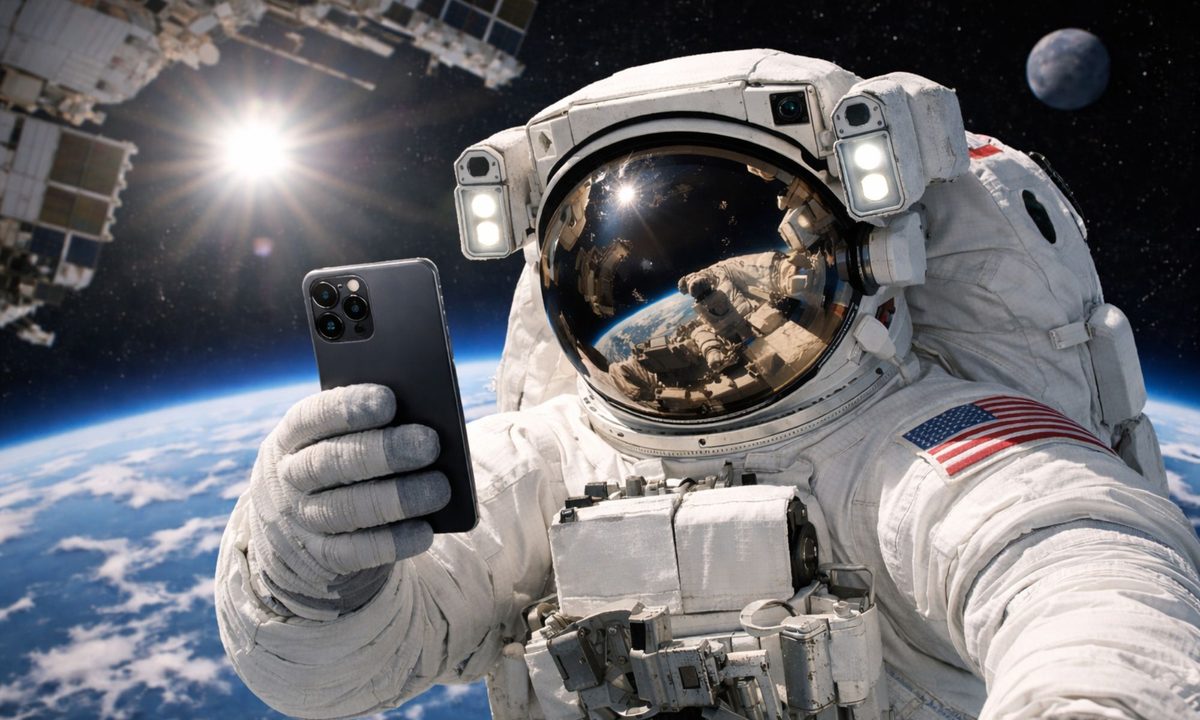
NASA is finally changing a long-standing policy about what astronauts can carry into space. Astronauts heading to space will now be allowed to carry smartphones on missions, opening the door to more candid photos, videos, and yes, even the occasional zero-gravity selfie.

NASA Administrator Jared Isaacman confirmed the change on X, saying astronauts will soon fly with the latest smartphones “to capture special moments for their families and share inspiring images with the world.”

Recommended Videos

He added that NASA challenged long-standing approval processes to qualify modern hardware faster, calling it a “small step in the right direction.”

NASA astronauts will soon fly with the latest smartphones, beginning with Crew-12 and Artemis II. We are giving our crews the tools to capture special moments for their families and share inspiring images and video with the world. Just as important, we challenged long-standing…

— NASA Administrator Jared Isaacman (@NASAAdmin) February 5, 2026

The new policy will kick in with upcoming missions, including Crew-12, which is heading to the International Space Station, and Artemis II, the long-awaited crewed mission that will take humans around the Moon.

Imagine the stunning images astronauts could capture with smartphones powered by cameras found on the latest iPhones and Pixels.

Why NASA is changing course now

Until now, astronauts relied on NASA-approved camera gear to capture images, a process that often lagged far behind consumer technology. In fact, before this change, the newest camera cleared to fly on Artemis II was a 2016 Nikon DSLR, along with GoPro cameras that were already nearly a decade old (via Ars Technica).

With smartphones, astronauts will finally have access to modern, portable cameras that fit easily into daily life on a spacecraft. Interestingly, this is not the first time phones have reached orbit. Two iPhone 4 devices flew aboard a space shuttle mission in 2011, though it remains unclear whether they were actively used or simply carried along.
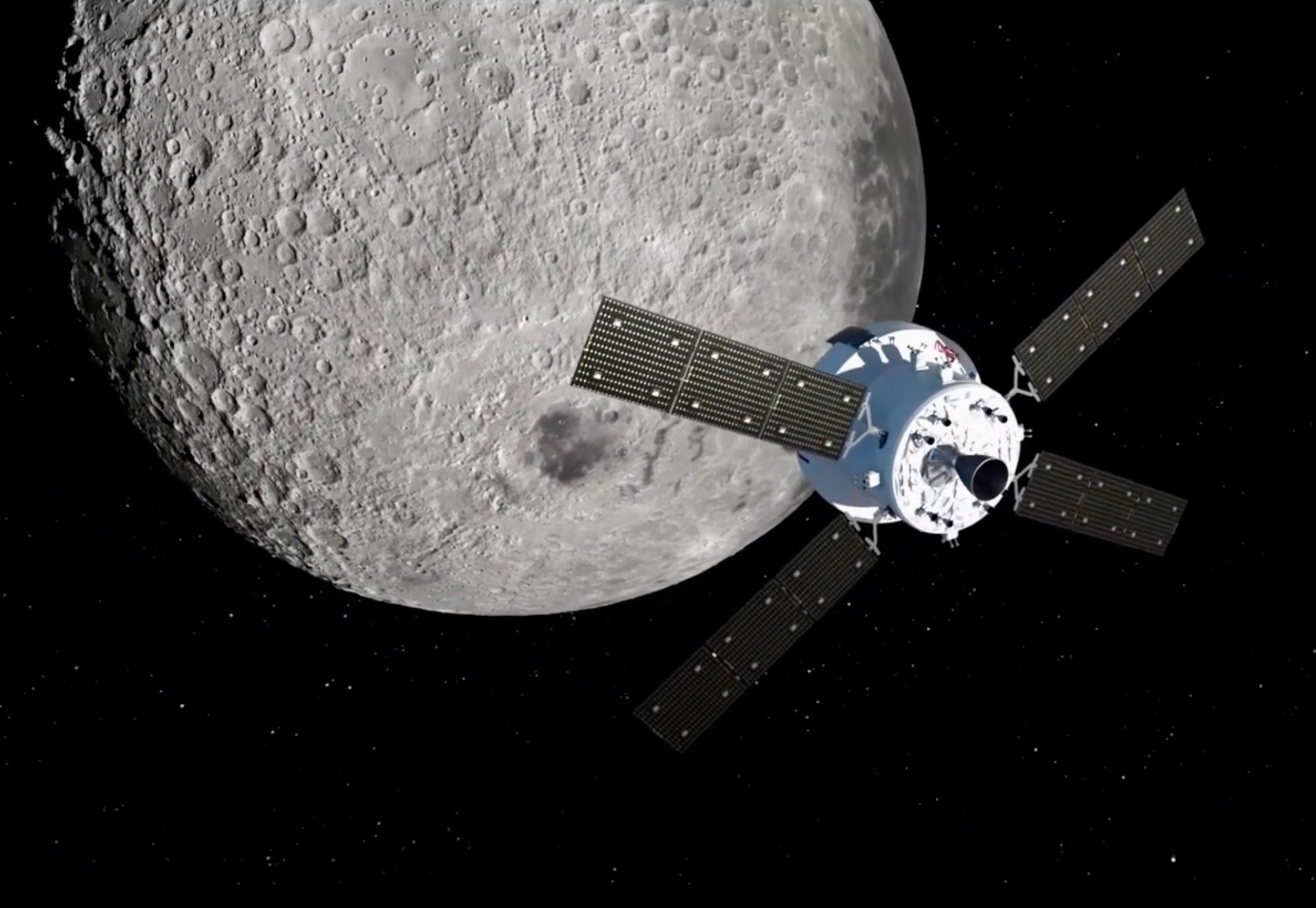
The timing of the announcement lines up with renewed attention on Artemis II. The mission will send four astronauts on a loop around the Moon and back. However, the launch of Artemis II has been delayed after running into technical issues during testing, pushing its launch into March 2026.

When it does fly, the journey will not just be historic; it may also be documented in a more personal way than any lunar mission before it.

Manisha Priyadarshini
Manisha likes to cover technology that is a part of everyday life, from smartphones & apps to gaming & streaming…
Blue Origin successfully re-uses a New Glenn rocket for the first time ever
Blue Origin achieves first New Glenn reflight despite payload setback
Blue Origin

Blue Origin has achieved a major milestone in its spaceflight ambitions by successfully reusing a booster from its heavy-lift New Glenn rocket for the first time. The historic launch, conducted on April 19, marks a significant step forward for Jeff Bezos’ space company as it seeks to compete with rivals like SpaceX in the rapidly evolving commercial launch market.

A Milestone With A Mixed Outcome

Read more
Stunning close-up footage shows NASA’s moon rocket roaring to space
On its first crewed flight, NASA's lunar rocket displays its awesome power.
NASA's SLS rocket roars skyward at the start of the Artemis II mission on April 1, 2026.

As NASA’s Artemis II astronauts journey back to Earth following their breathtaking close encounter with the moon earlier this week, the space agency has just shared some stunning footage (below) of the rocket launch that sent the crew on its way on April 1.

The close-up tracking shot shows the awesome power of the Space Launch System (SLS) rocket’s four core RS-25 engines together and its two solid rocket boosters as the 98-meter-tall vehicle roars away from the launchpad at the Kennedy Space Center in Florida.

Read more
How to watch NASA’s moon crew splash down at end of historic mission
The Orion spacecraft's final moments before splashdown will be the most perilous of the entire mission.
Earth and the moon as seen from the Orion spacecraft during the Artemis II mission in April 2026.

The Artemis II astronauts have looped around the moon, captured some extraordinary imagery (above), set a slew of records, and are now on their way back to Earth.

The 10-day mission will reach its climax on Friday, April 10, during a dramatic homecoming that will see the Orion spacecraft enter our planet’s atmosphere at a speed of nearly 25,000 miles per hour.

Read more