- Home
- Chrome
Chrome
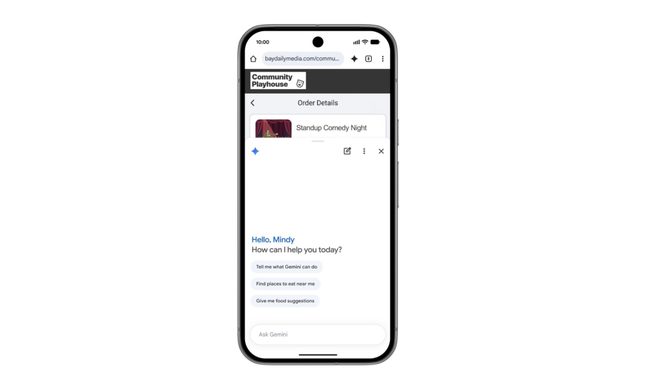
Google’s next Chrome update is a big deal for Android users
Chrome on Android is getting a major AI upgrade with Gemini at its core, turning the browser into a more helpful assistant that can understand pages, handle tasks, and simplify how you use the web.




This Chrome extension blocks social media until you scream (literally) in agony
If you often find yourself scrolling social media and then regret the lost time, this chrome extension will block those sites and only unlock them if you scream embrassingly about your lack of discipline.

Chrome may soon use Gemini antiscam protection to flag scams, but it won’t watch every site you visit
Google is testing Gemini antiscam protection in Chrome, a server-side scam check that activates only when a page already looks risky. It’s off by default and requires Enhanced Safe Browsing.

Chrome introduces AI-driven auto browse to handle multi-step online actions
Google is testing Gemini-powered Auto Browse in Chrome, allowing the browser to navigate websites, compare options, and complete multi-step tasks automatically with user oversight.
Google wants Chrome to show what parts of a webpage are human or AI-generated
Google is exploring a new Chrome feature that could clearly label which parts of a webpage are human-written or AI-generated.

Chrome on iPhone is making it easier for you to switch over from Safari
Google has introduced a new feature in the latest Chrome beta for iOS that lets users easily migrate their data over from Safari.
You can soon ask AI about any Chrome webpage with one right-click
Chrome Canary is testing a floating Google Lens overlay that lets you ask AI about a full webpage with a single right-click, skipping text selection and opening AI Mode only when you want deeper answers.

Soon, Chrome will let you opt out of data sharing automatically
A new Chrome Platform Status entry shows Google working on Global Privacy Control support, aligning the browser with California privacy laws and stronger, enforceable opt-out signals.

Google finally stops your valet from reading your WhatsApp in the car
Android Automotive’s new Sensitive App Protection lets drivers lock individual apps with a PIN, enhancing privacy in shared cars without compromising essential functions.

Chrome will soon tell you what you were reading a while ago with tab-aware AI
Google Chrome is gaining smarter AI features that let it understand what you are reading, summarize content across tabs, and help you get work done without jumping between pages.

Google Lens is becoming part of Chrome’s native AI interface
Google Lens now opens Chrome’s AI panel in Canary builds, signaling a future where Chrome offers contextual, chat-based assistance directly alongside web content.

I wish Chrome and Safari could multitask like Opera’s upgraded split-screen mode
Opera’s updated split-screen now supports up to four tabs in a single window, making it easier to compare, research, and browse at the same time. It removes the need for messy window management entirely.

You can claim Adobe Photoshop Web for free on Chrome for 12 months
Adobe is giving 12-months free access to Photoshop Web for Chrome users, letting you edit images directly in your browser without installing any software. From quick retouches to background removal and layered edits, all you need is a Chrome tab.

Chrome and Safari aren’t the best mobile browsers. I tried one that truly works for you
I tried Perplexity's Comet browser on Android, and it has dramatically changed how I explore information and get web-based work done on my phone.

How to turn off Gemini AI across the Google services you visit every day
Gemini has been deeply integrated across Google's ecosystem of software products, and it's hungry for your data. You must only keep it enabled where's it's absolutely necessary and close the doors for the everything else.

Microsoft is offering free gift cards if you stick with Edge over Chrome
Microsoft has found a new way to keep you on Edge. When Windows 11 users search for “Chrome” on Bing, they’re offered 1,300 Microsoft Rewards points for not switching. Those points can be traded for Amazon, Spotify, or Roblox gift cards, turning your browser loyalty into real-world offerings and adding a new twist to the browser wars.

Chrome’s new AI Mode button could be Google’s way of keeping you from rivals
Google rolls out an AI Mode button on Chrome, making it easier for users to access AI without leaving the browser.

Chrome can now autofill passports and IDs, with you in control
Chrome can now autofill passports, driver’s licenses, and vehicle details, but only with your say-so. The update is encrypted, opt in, and global on desktop, with a confirmation prompt before anything fills.

Gemini’s next trick is hiding in Chrome, and it could change how you browse
Chrome’s Canary build quietly adds a “Contextual tasks” panel tied to Gemini. It's rough, but it points to agentic browsing, useful in small steps, as long as permissions, controls, and trust catch up.

Chrome can now summarize articles using Gemini, and it does a better job than Safari
Google's Chrome browser now features Gemini-powered webpage summarization.

Browser subscriptions are here, and it’s the only one I don’t regret paying for
I've used every web browser that now offers AI-powered enhancements for $20 per month, and I can easily recommend them based on the sheer amount of convenience they have to offer in return.

My favorite Chrome and Safari replacement is now available widely for macOS
Dia is one of the best desktop browsers out there, but in terms of design, functionalities, and useful AI integrations. And it's free, as well.

I found a tool that reveals the scary reality of how much you’re tracked online
The Electronic Frontier Foundation's Cover Your Tracks tool lets you check the extent of tracking allowed by your browser, and whether the protections on hand are adequate.

I replaced Chrome with an AI browser, and you should too
Perplexity's Comet browser fundamentally reimagines what a web browser can accomplish by heavily pushing AI to speed up the boring tasks and putting more control in your hands.

Google Chrome makes it easier for iPhone users to separate work and play
For iPhone users, Google will finally allow users to switch between personal and work profiles, with all the Enterprise controls and safety in tow.

Google Gemini eases web surfing for users with vision and hearing issues
Thanks to Gemini, users can now ask questions about what's appearing on their phone's screen, and even check if they can score a discount on shopping sites.

Google Chrome is getting an AI-powered scam sniffer for Android phones
Google is adding a new AI-powered alert system that will warn users if a website is trying to scam them with fake security warnings and other related scams.