  1. Home
  2. Wearables
  3. News

Apple Watch could soon enable a new blood pressure sensing feature

Apple's new blood pressor notification feature under FDA review

Add as a preferred source on Google
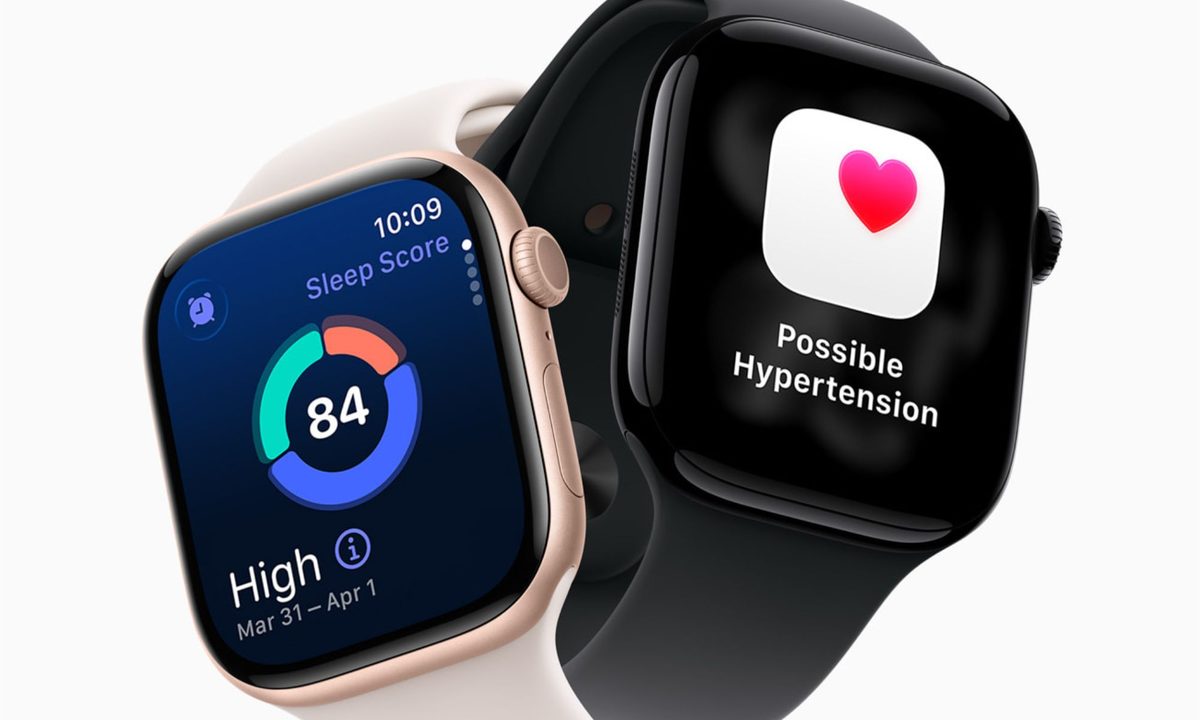
Apple Watch Series 11 brings new insights like sleep score and signs of hypertension.
Apple

Apple Watches already have hypertension notifications, but the Cupertino giant may be working on another blood pressure-related feature that goes further than the alert system available today.

According to Digitimes, Apple has a new high blood pressure notification feature under review by the U.S. Food and Drug Administration. That wording is a little tricky because Apple already released hypertension notifications in September 2025 with watchOS 26. The feature works on Apple Watch Series 9 and later, and Apple Watch Ultra 2 and Watch Ultra 3, in supported regions.

How would blood pressure alerts work?

It is not clear yet how this new blood pressure feature will be different from the one Apple already offers. The report says Apple’s high-end 2026 watch, likely the upcoming Watch Ultra 4, could get a redesign and better health sensors. If true, this would mark the first major health sensor upgrade for the Apple Watch since the Series 8. The new blood pressure feature may depend on that upgraded hardware, but that is only a guess for now.
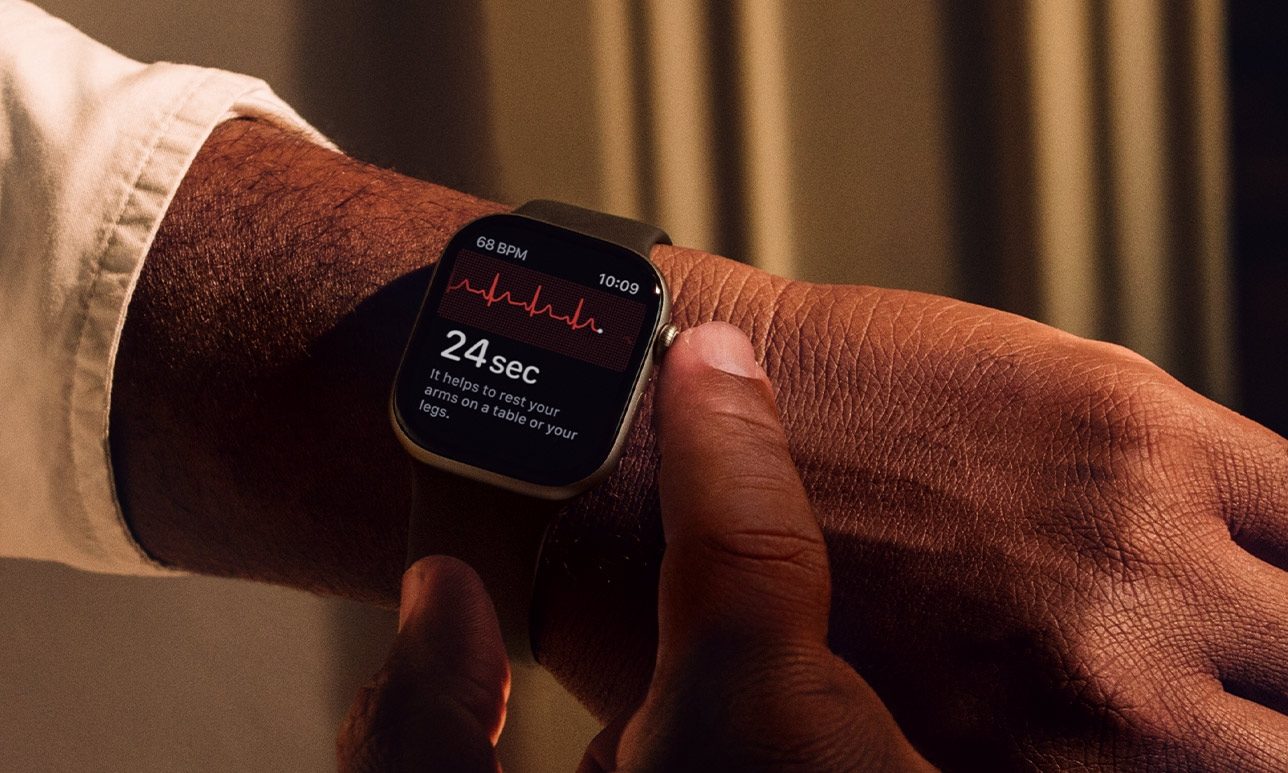
Apple’s current hypertension notifications are designed more as an early-warning system than a diagnostic tool. The feature tracks trends over a 30-day period and alerts users if it detects signs of chronic high blood pressure. The feature was approved by the FDA back in September 2025. Apple says the feature uses heart sensor data and machine learning, but it does not directly measure blood pressure or replace a medical-grade cuff.

What could come after this?

Apple’s health ambitions do not stop at blood pressure. The company has also been linked to noninvasive blood glucose monitoring for years, a concept that would use light-based sensors to estimate glucose levels without a finger prick or blood sample. But making that accurate on a smartwatch is extremely difficult, so for now, the new blood pressure notifications seem like the more realistic next step for the Apple Watch.

Sudhanshu Kumar Mangalam
I’ve got about 4 years of experience, mostly covering gaming, PC hardware, and smartphones. In my free time, I like…
Meta’s Ray-Ban Display now types messages from your finger movements
Neural Handwriting is a really cool feature, but Meta opening the Ray-Ban Display to developers is the quiet announcement that turns a clever wearable into a platform with immense possibilities.
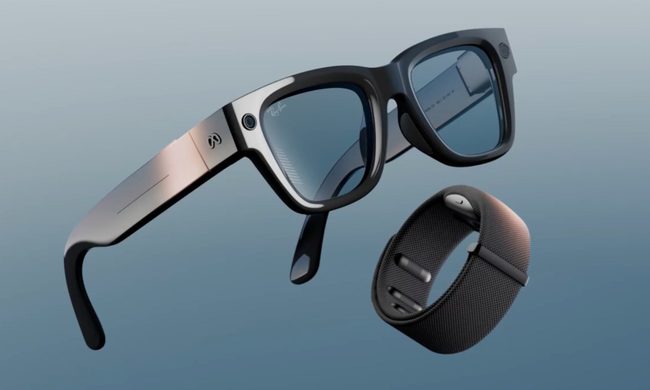
Meta Ray-Ban Display and EMG Band.

Six months into its life, the Meta Ray-Ban Display is starting to look less like an experiment, thanks to what is arguably the most significant update Meta has ever pushed for the device. 

The headline feature is Neural Handwriting, which is now available to every Ray-Ban Display owner, having spent its early months in limited access for Messenger and WhatsApp users. 

Read more
Forget smart glasses, these earbuds can see, hear, and remember everything for you
Electronics, Headphones

Smart glasses have always felt a little awkward to me. Sure, they can play music, take calls, snap photos, and even throw notifications in front of your eyes, but at the end of the day, they’re still just tiny screens sitting on your face. Now imagine removing the screen entirely.

That’s exactly what this new pair of AI-powered earbuds is trying to do. Instead of showing you information, these earbuds are designed to quietly hear, see, remember, and respond to the world around you. And honestly, this might be one of the more interesting directions wearable AI has taken so far.

Read more
Meta will allow third-party apps for Ray-Ban Display glasses. Your eyes must stay glued to digital reality.
Meta just handed developers the keys to the glasses display, and the possibilities are endless.
Meta Ray Bans Display close up shot

Meta announced its Meta Ray-Ban Display glasses with a built-in in-lens display that allows users to see what the smart glasses capture, see and respond to messages, and interact with its Meta AI.

While the built-in apps and features were good, the only way to unleash the potential was to allow third-party developers to build apps. And today, Meta is finally opening up the display on its Ray-Ban smart glasses to developers.

Read more