1. Home
  2. Wearables
  3. Android
  4. Gaming
  5. Mobile
  6. Virtual Reality
  7. News

Coolest toy of the year: Google and Mattel give the old View-Master an exciting VR twist

Add as a preferred source on Google

Google’s first virtual reality venture began with Cardboard, a do-it-yourself VR headset that was powered by its Nexus 5 smartphone. Since then, Google’s Cardboard has become the LG VR for G3, and now, the View-Master from Mattel. The brightly-colored plastic VR headset is aimed toward kids, and comes at an incredibly reasonable price.

The old View-Masters used picture-filled disks that you flipped through using a pull down level, showing everything from Niagara Falls to photo stories based on the latest movies at the time. Now Google and Mattel are bringing that quaint, old-timey toy into the 21st century with the new View-Master VR, which is powered by the same technology as Cardboard.  The new View-Master comes with a variety of cool field trips for kids, so they can go to the pyramids, visit the Eiffel tower, or gasp at the space shuttle, and much more. Google’s 360-degree photospheres give kids a real glimpse into what it’s like to be in the rain forest or in the middle of an old Mayan temple.

Recommended Videos

Just like the original version of Cardboard, an Android smartphone powers the whole experience, and many of the familiar Cardboard VR scenes are available. However, those cool, round disk photo reels are still a part of the experience. Each reel is a different photo experience that you can see by placing it on the table and looking at it through your View-Master, augmented reality-style. These so-called experience disks will be sold separately, though one will be included when you buy the View-Master.

The new View-Master will arrive in the fall of 2015 for $30, and each pack of four reels will cost $15. It’s unclear which Android phones will be compatible with the View-Master. You can sign up for updates on the View-Master website.

Malarie Gokey
As DT's Mobile Editor, Malarie runs the Mobile and Wearables sections, which cover smartphones, tablets, smartwatches, and…
Ultrahuman brings affordable continuous glucose monitoring to US consumers
Ultrahuman wants you to know exactly what that donut did to your body
Ultrahuman M2 Live

Ultrahuman has announced the launch of M2 Live in the United States, expanding access to continuous glucose monitoring and metabolic health insights for consumers without diabetes. The new platform integrates glucose data from Abbott's over-the-counter Lingo continuous glucose monitor (CGM), allowing users to track their metabolic health without requiring a prescription.

The launch represents a significant step for the company, which helped popularize glucose monitoring for wellness-focused consumers when it introduced its first metabolic tracking platform in 2021. With M2 Live, Ultrahuman is aiming to make the technology more affordable and accessible, with subscriptions starting at $99 per month and individual sensors priced at $129.

Read more
Honor’s new Watch 6 brings battery life Apple Watch users dream about
Honor releases a sporty smartwatch that will outpace your endurance
Honor Watch 6

Honor has officially launched the Honor Watch 6 globally, with a headline feature that deals with the daily charging annoyance of most smartwatches. As the name suggests, it is the successor to the Watch 5 series. The company claims the Watch 6 can last up to 35 days in long-endurance usage, or up to 17 days with more regular use. Even with GPS enabled for outdoor sports, Honor says it can last up to 42 hours.

This separates it from mainstream smartwatches like the Apple Watch and many Wear OS rivals, where charging every day or two is still very much part of the deal. It is backed by its large 980mAh cell that is packed into a surprisingly slim 10.8mm body, which weighs just 41 grams without the strap.

Read more
Fitness trackers and smartphone apps help heart disease patients stay active, study finds
The humble fitness tracker may have a real heart-health job after all
Xiaomi Mi Smart Band 4

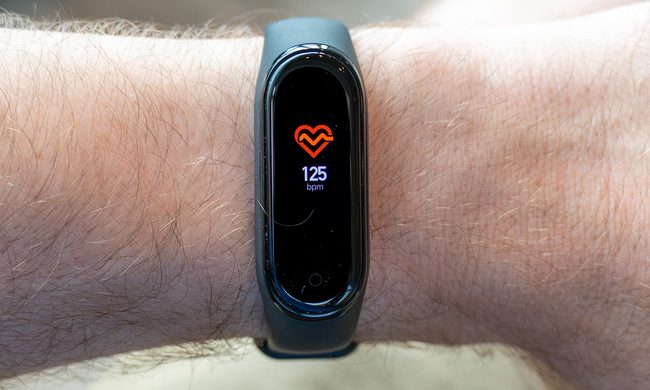
Fitness trackers and smartphone apps may be doing more than just tracking you from your wrist. A new review published in the Journal of the American Heart Association found that people with cardiovascular disease who used smartphone apps, fitness trackers, or wearable devices were more active than those who did not use digital tools.

The review looked at 14 clinical trials involving 1,057 participants with diagnosed cardiovascular disease, including coronary heart disease, heart failure, heart attack, or stroke history. Compared to people who did not use these tools, participants using apps or wearable tech walked nearly 1,100 more steps per day and added about four extra minutes of moderate-to-vigorous physical activity daily.

Read more