  1. Home
  2. Wearables
  3. Mobile
  4. News

The Google Pixel Watch 3 has a never-before-seen health feature

Add as a preferred source on Google
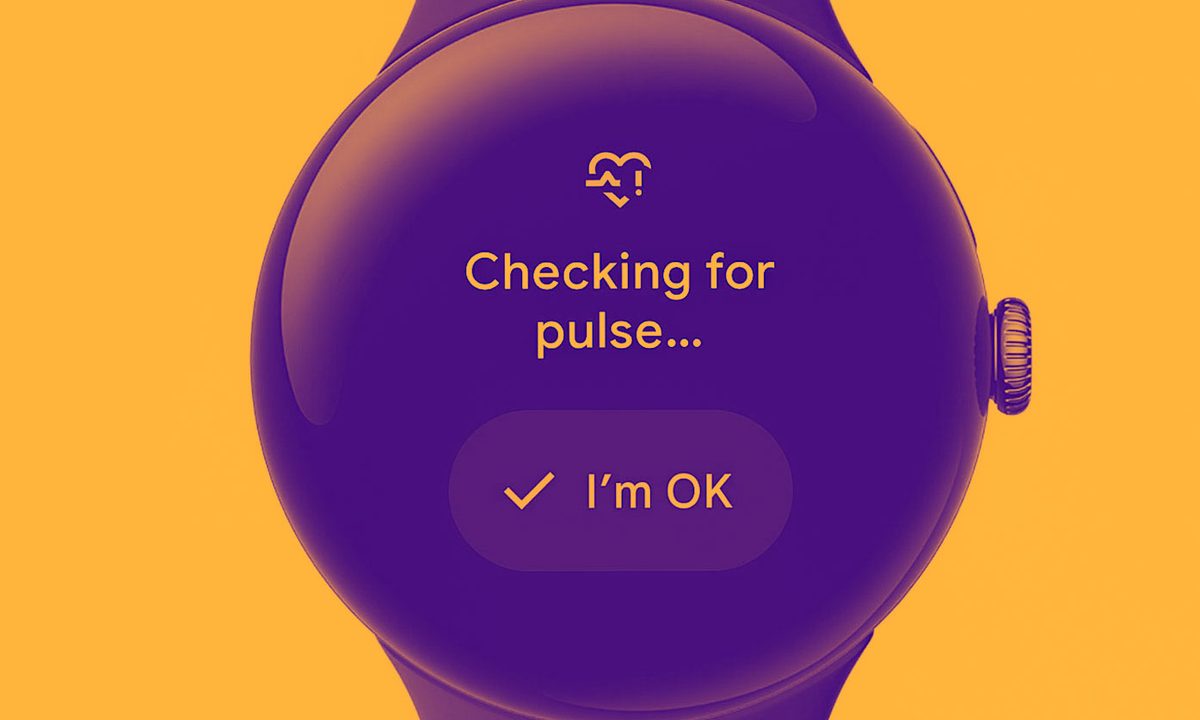
Pulse loss detection system on the Pixel Watch 3.
Google

Google is raising the bar for fitness and wellness capabilities on smartwatches with the new Pixel Watch 3. But one of the most meaningful capabilities it brings to the table is sensing a loss of pulse event, which the company calls “loss of pulse detection.”

Think of it as a wearable analog for car crash detection, but something that doesn’t rely on motion physics and data collected by sensors fitted inside a phone. Instead, the Pixel Watch 3 relies on biosensing information and, more specifically, heart activity.

Recommended Videos

Loss of pulse is usually linked to a critical health emergency that would need urgent medical attention. Google says such events could include anything from a cardiac arrest, respiratory failure, blood circulation problem, a drug overdose episode, or poisoning from varied sources.
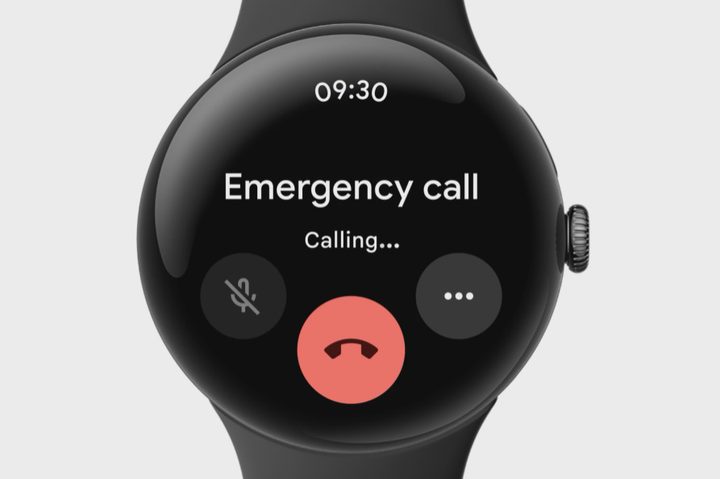
Emergency calling from Pixel Watch 3
Google

For emergency responders, the concept of “golden hours” is all about reaching a victim and providing them with critical medical care within 60 minutes of a traumatic event. For any situation where a person’s pulse stops, the Pixel Watch 3 will call emergency services and relay the location information.

Google says loss of pulse detection will “share an automated message with critical context, along with your location.” Notably, the feature will start rolling out in September but will initially be limited to the EU market.
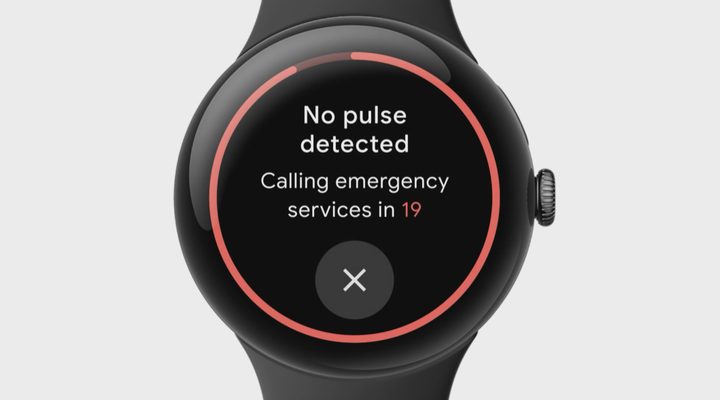
Pulse detect on Pixel watch 3
Google

It seems the company is awaiting regulatory clearance in other markets to make this feature available on the Pixel Watch 3. Google says it worked with health care experts to bring this critical feature to life but warns that even with state-of-the-art AI playing a key role, chances of a false positive alert can’t be ruled out.

Irrespective of the potential for rare failures, the intent behind the whole system is simply amazing. This would be the first time that Google is making a meaningful leap over the Apple Watch in years, something that has an amazingly high potential for saving lives by filling a crucial gap.

Moreover, given the kind of work Google’s Deepmind unit has done at the intersection of AI and science, we can safely expect more such facilities to appear on Google hardware down the road. I can’t wait for the U.S. FDA to clear it and hear all the success stories that originate courtesy of pulse-loss sensing on the Pixel Watch 3.

Nadeem Sarwar
Nadeem is the Managing Editor at Digital Trends.
Samsung may shelve the Galaxy Watch Classic this year, regular and Ultra could get new colors 
Samsung's July Watch reveal just got a lot more predictable, and that's not entirely good news for everyone.
Using Gemini on Galaxy Watch 8 Classic.

Samsung is gearing up to reveal the Galaxy Watch 9 and Galaxy Watch Ultra 2 at its July event, along with its next-generation foldable smartphones, and a fresh batch of leaks from @GalaxyTechie on X (via 9to5Google) has just handed us a clearer picture of both. 

Samsung fans hoping for a Classic with a rotating bezel this year might be in for disappointment, but those eyeing the regular or Ultra versions could be in for a surprise. 

Read more
Apple clears the air on watchOS 27 skipping multiple models, and you can partly blame AI for it
Siri AI on watchOS 27 needs muscle your older Apple Watch doesn't have.
WatchOS 27 running on Apple watches

Apple Watch got its biggest software update in years with watchOS 27, but it’s skipping five models to get there. 

If your watch isn't on the compatibility list, Apple offers an explanation that may sound reasonable, but it doesn’t make the pill any easier to swallow. 

Read more
Ultrahuman brings affordable continuous glucose monitoring to US consumers
Ultrahuman wants you to know exactly what that donut did to your body
Ultrahuman M2 Live

Ultrahuman has announced the launch of M2 Live in the United States, expanding access to continuous glucose monitoring and metabolic health insights for consumers without diabetes. The new platform integrates glucose data from Abbott's over-the-counter Lingo continuous glucose monitor (CGM), allowing users to track their metabolic health without requiring a prescription.

The launch represents a significant step for the company, which helped popularize glucose monitoring for wellness-focused consumers when it introduced its first metabolic tracking platform in 2021. With M2 Live, Ultrahuman is aiming to make the technology more affordable and accessible, with subscriptions starting at $99 per month and individual sensors priced at $129.

Read more