  1. Home
  2. Wearables
  3. Computing
  4. Web
  5. Legacy Archives

IE market share dips below 50 percent

Add as a preferred source on Google

Internet Explorer 9Uh oh. In what sounds like dismal news for Microsoft, its once pervasive Web browser, Internet Explorer, has dropped below 50 percent market share.

This is the first time in years that IE has dropped below 50 percent, stats reported by website-traffic information provider StatCounter. This further highlights the growing fragmentation in the browser market.

Recommended Videos

Once upon a time, in the 1990’s there were just two browsers competing for your affection: Netscape and IE (granted, there were a few smaller players, but their popularity never uprooted these two giants). The end result was Netscape withering into oblivion and IE grabbing 90 percent of the market.

And then, around 2005, Mozilla Firefox began to gain more momentum with its Web browser, and last year, Google’s Chrome was released and also began to take a piece of the pie. Mozilla and Chrome both capitalized on the fact that IE was slow, unresponsive and largely non-compliant with emerging Web standards.

StatCounter Global Stats found that that Microsoft IE fell to 49.87 percent in September followed by Firefox with 31.5 percent. Google’s Chrome has tripled in adoption since September 2009 going from 3.69 percent in September 2009 to 11.54 percent in September this year.

“This is certainly a milestone in the Internet browser wars,” commented Aodhan Cullen, CEO, StatCounter. “Just two years ago IE dominated the worldwide market with 67 percent.”

Part of the dip in IE’s dominance may be due to Microsoft’s December agreement with European regulators to offer a menu of browser choices to Windows users starting last March.

Microsoft may be down, but they’re certainly not out of the game. IE 9 boasts major improvements to speed and compliant with web standards. Both of the features should make the Web browsing experience much more palatable (dare we say, enjoyable) for IE users. Improving web standards within IE isn’t only a bonus to users, but it makes the job of Web developers much easier.

Laura Khalil
Former Digital Trends Contributor
Laura is a tech reporter for Digital Trends, the editor of Dorkbyte and a science blogger for PBS. She's been named one of…
Fitness trackers and smartphone apps help heart disease patients stay active, study finds
The humble fitness tracker may have a real heart-health job after all
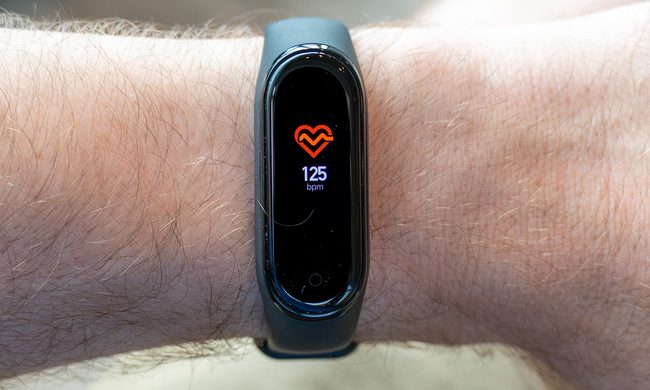
Xiaomi Mi Smart Band 4

Fitness trackers and smartphone apps may be doing more than just tracking you from your wrist. A new review published in the Journal of the American Heart Association found that people with cardiovascular disease who used smartphone apps, fitness trackers, or wearable devices were more active than those who did not use digital tools.

The review looked at 14 clinical trials involving 1,057 participants with diagnosed cardiovascular disease, including coronary heart disease, heart failure, heart attack, or stroke history. Compared to people who did not use these tools, participants using apps or wearable tech walked nearly 1,100 more steps per day and added about four extra minutes of moderate-to-vigorous physical activity daily.

Read more
A US state wants to ban smart glasses while driving, and it could open Pandora’s box
Drivers in Illinois may soon have to remove smart glasses before hitting the road
Snap Specs AR smart glasses

Smart glasses are rapidly evolving from niche gadgets into mainstream consumer technology. Devices from companies such as Meta, Google, Apple, and Snap are increasingly capable of displaying notifications, providing navigation, recording video, and even running AI-powered assistants directly in a user's field of view.

But one U.S. state is already asking an important question: Should drivers be allowed to wear them behind the wheel?

Read more
Xreal Aura glasses put Android on your face and they will “try” to cost under $1,500
Xreal Aura tries to squeeze a whole XR headset into glasses
Person wearing Xreal Project Aura smart glasses.

Xreal Aura is now one step closer to landing on your face. The company has opened reservations for Xreal Aura, its Android XR-powered smart glasses built with Google. The device was previously known as Project Aura, and it is shaping up to be one of the most important early tests for Android XR beyond full headset hardware.

Xreal is marketing Aura as a portable spatial computing device in a glasses-style form factor. So it's more than just a simple pair of glasses that records or keeps track of your notifications. Aura combines lightweight glasses with a dedicated compute puck, letting the heavier processing and battery hardware sit off your face.

Read more