  1. Home
  2. Wearables
  3. Emerging Tech
  4. News

Samsung Triathlon is a forthcoming budget-friendly fitness-tracking device

Add as a preferred source on Google

The wearable devices scene has been filled with plenty of variety and interesting lineups from major companies. Samsung is no stranger to this scene, having recently released a major product in this genre, the Gear S2 and enjoying success with the popular Gear Fit. Word has now come out that indicates the company is producing an entry-level activity tracker, which aims to bring this product to a much wider audience than they had before.

The product on the way is known as the “Triathlon” and runs the product number SM-R150. All indications are that the product is shaping up to be a fitness-tracking device with a budget in mind. This is a hot section of the market and Samsung is banking on putting as many features in a low-buck band as possible for a successful entry-level winner.

Recommended Videos

Any time you preview a product that is designed to come in at an entry-level price, what features will be included versus what will be left out is always a curiosity. A standout feature that is not likely to make the final model is a heart rate monitor.

Rumors indicate that Samsung has also been busy producing a new bio-processor for wearable devices. The processor will provide a number of features including Wi-Fi, Bluetooth, GPU, and other components. The timing of this new activity tracker along with the potential arrival of this processor could mean that the device will have compelling features.

Samsung’s presence in the market is sizable and has been about since the beginning. One weak spot in their lineup has been an affordable entry-level product. Over the last couple of years, the company has released a number of wearable devices and a budget-friendly device would round out their offerings for a receptive audience.

John Casaretto
Former Digital Trends Contributor
John is the founder of the security company BlackCert, a provider of SSL digital certificates and encryption products. A…
Meta’s Ray-Ban Display now types messages from your finger movements
Neural Handwriting is a really cool feature, but Meta opening the Ray-Ban Display to developers is the quiet announcement that turns a clever wearable into a platform with immense possibilities.
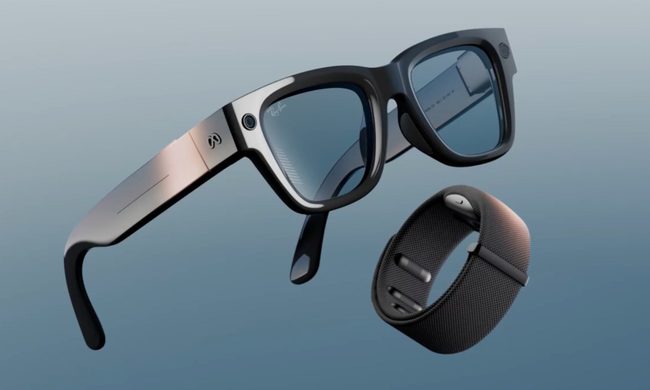
Meta Ray-Ban Display and EMG Band.

Six months into its life, the Meta Ray-Ban Display is starting to look less like an experiment, thanks to what is arguably the most significant update Meta has ever pushed for the device. 

The headline feature is Neural Handwriting, which is now available to every Ray-Ban Display owner, having spent its early months in limited access for Messenger and WhatsApp users. 

Read more
Forget smart glasses, these earbuds can see, hear, and remember everything for you
Electronics, Headphones

Smart glasses have always felt a little awkward to me. Sure, they can play music, take calls, snap photos, and even throw notifications in front of your eyes, but at the end of the day, they’re still just tiny screens sitting on your face. Now imagine removing the screen entirely.

That’s exactly what this new pair of AI-powered earbuds is trying to do. Instead of showing you information, these earbuds are designed to quietly hear, see, remember, and respond to the world around you. And honestly, this might be one of the more interesting directions wearable AI has taken so far.

Read more
Meta will allow third-party apps for Ray-Ban Display glasses. Your eyes must stay glued to digital reality.
Meta just handed developers the keys to the glasses display, and the possibilities are endless.
Meta Ray Bans Display close up shot

Meta announced its Meta Ray-Ban Display glasses with a built-in in-lens display that allows users to see what the smart glasses capture, see and respond to messages, and interact with its Meta AI.

While the built-in apps and features were good, the only way to unleash the potential was to allow third-party developers to build apps. And today, Meta is finally opening up the display on its Ray-Ban smart glasses to developers.

Read more