1. Home
  2. Wearables
  3. Mobile
  4. News

Samsung smartwatch sales are up ‘several hundred percent’ compared to last year

Add as a preferred source on Google

Apple controls the majority of smartwatch sales, but Samsung is climbing up the ranks and may be able to catch the Apple Watch next year. In an interview with TechRadar, VP of mobile and IT, Conor Pierce, said that “sales are up several hundred percent on last year.”

That is a huge gain for Samsung, and it might be all to do with the Gear S2. Announced earlier in the year, the company was selling 2,000 units per day on average in South Korea last month, much more than the original Gear S.

Recommended Videos

Samsung might also be riding the bandwagon of smartwatch interest from the launch of the Apple Watch, which has sold 7 million units since launch. The Gear Fit, Gear S, and Galaxy Gear 2 are all currently on sale, alongside the Gear S2.

Figures from Strategy Analytics point to a rather grim gap between Apple and every other smartwatch vendor last quarter, with Apple selling 4.5 million wearables and Samsung selling a measly 600,000. The gap might get smaller in the fourth quarter with the launch of the Gear S2 worldwide, but we doubt it will be enough to surpass Apple’s lead.

Pierce claims Samsung will also use its wearables to interact with the smart home:

“Smartwatches will only become more useful. Thinking about smart home going forward, you’ll be able to use it as a remote control for your home.”

Smartwatches take up 40 percent of the entire wearable market, according to a report from IDC earlier in the year. Fitbit and Apple are the two largest wearable providers, followed by Xiaomi. Samsung and Garmin come fourth and fifth, but we suspect in the next few months the South Korean giant will break away from Garmin and start competing for third place.

David Curry
Former Contributor
David has been writing about technology for several years, following the latest trends and covering the largest events. He is…
Apple wants you to verify your identity before you get Education discount on products
Apple moving the US Education Store off the honor system also seems about making a globally consistent verification infrastructure that could eventually support more aggressive Education Store expansion.
Computer, Electronics, Laptop

Getting an Apple Education discount in the United States used to be as simple as claiming you’re a student or a teacher; it didn’t need a formal verification. That era is officially over. 

Starting May 8, 2026, Apple now requires formal identity verification for all Education Store purchases in the US, ending the informal honor system that was in place for years (via MacRumors). 

Read more
You can finally avail an education discount on the Apple Watch
It's Apple broadening its ecosystem play into a segment that previously had no wearable entry point, and that could meaningfully accelerate Apple Watch adoption among younger first-time buyers.
Side view of Apple Watch Series 11.

Apple’s Education Store has always been a reliable shortcut to cheaper Macs and iPads for students and teachers. However, for years, Apple Watch wasn’t allowed into the story, making people wait for third-party sales or discounts to get their hands on the smartwatch. 

That’s changing, with effect from May 8, 2026. Apple has quietly added the Apple Watch to its Education Store for the first time. The Watch Series 11, SE 3, and the Ultra 3 are now available at discounted education pricing across 21 markets, including the US, UK, India, Canada, and Australia. 

Read more
Whoop’s response to Fitbit Air and Google Health is real doctors, not just an AI chatbot.
In the race to own your health data, Google chose an AI, and Whoop chose a doctor. That single decision may define which fitness tracker serious health users reach for in 2026 and beyond.
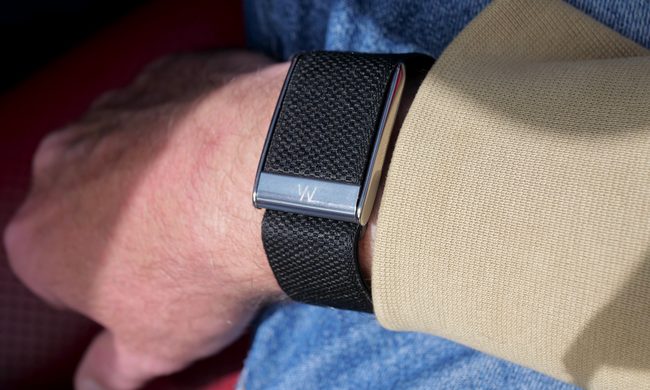
A person wearing the Whoop 5.0.

Recently, Google launched the Fitbit Air as a direct rival to the Whoop screenless fitness band, rebranded the Fitbit app to Google Health, and released a Gemini-powered AI coach. Exactly one day later, Whoop has responded with on-demand video consultations with licensed clinicians for US users. 

The contrast is hard to ignore. While Google is betting on AI as your general health advisor, Whoop is doubling down on real, licensed doctors, and making the case that they can serve its fitness-focused users considerably better (via CNBC).

Read more