1. Home
  2. Wearables
  3. Mobile
  4. News

Volvo jumps on the connected watch bandwagon with new app

Add as a preferred source on Google

Following the path blazed by rivals Mercedes-Benz, Volkswagen and BMW, Sweden’s Volvo has introduced a car control application designed for smartwatches such as the Android Wear and the brand new Apple Watch.

Volvo’s software is essentially an updated version of the Volvo On Call app that has been available for smartphones and tablets for the past couple of years. The app has been given a brand new design inspired by the state-of-the-art infotainment system found in the new XC90.

Recommended Videos

Volvo owners can use their connected watch to instantly find their car in a crowded parking lot, and they can remotely lock it and unlock it without having to find their keys or get their phone out. However, one of the most practical features of the Volvo On Call app is the ability to set the climate control. Owners can use their watch to turn the heater on before they head out on a chilly winter morning, or to turn the A/C on before they step out into the scorching heat to ensure the cockpit is at a comfortable temperature.

The updated app also allows Volvo drivers to check the mileage of their car, see how much fuel is left in the tank, get an estimate of how far they can drive before filling up, and receive instant service reminders. Additionally, plug-in hybrid drivers will likely be able to use the app to start, schedule, and stop the charging process.

Smartwatch-clad Volvo owners can download Volvo On Call right now, but the company is already planning on releasing an updated version of the app that will include enhanced send-to-car capabilities for the navigation system. When the update is ready, drivers will be able to send an address directly from their connected watch to their Volvo’s navigation system.

Ronan Glon
Ronan Glon is an American automotive and tech journalist based in southern France. As a long-time contributor to Digital…
Ultrahuman brings affordable continuous glucose monitoring to US consumers
Ultrahuman wants you to know exactly what that donut did to your body
Ultrahuman M2 Live

Ultrahuman has announced the launch of M2 Live in the United States, expanding access to continuous glucose monitoring and metabolic health insights for consumers without diabetes. The new platform integrates glucose data from Abbott's over-the-counter Lingo continuous glucose monitor (CGM), allowing users to track their metabolic health without requiring a prescription.

The launch represents a significant step for the company, which helped popularize glucose monitoring for wellness-focused consumers when it introduced its first metabolic tracking platform in 2021. With M2 Live, Ultrahuman is aiming to make the technology more affordable and accessible, with subscriptions starting at $99 per month and individual sensors priced at $129.

Read more
Honor’s new Watch 6 brings battery life Apple Watch users dream about
Honor releases a sporty smartwatch that will outpace your endurance
Honor Watch 6

Honor has officially launched the Honor Watch 6 globally, with a headline feature that deals with the daily charging annoyance of most smartwatches. As the name suggests, it is the successor to the Watch 5 series. The company claims the Watch 6 can last up to 35 days in long-endurance usage, or up to 17 days with more regular use. Even with GPS enabled for outdoor sports, Honor says it can last up to 42 hours.

This separates it from mainstream smartwatches like the Apple Watch and many Wear OS rivals, where charging every day or two is still very much part of the deal. It is backed by its large 980mAh cell that is packed into a surprisingly slim 10.8mm body, which weighs just 41 grams without the strap.

Read more
Fitness trackers and smartphone apps help heart disease patients stay active, study finds
The humble fitness tracker may have a real heart-health job after all
Xiaomi Mi Smart Band 4

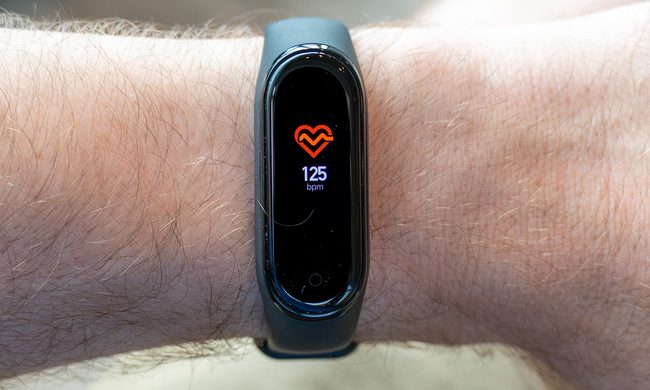
Fitness trackers and smartphone apps may be doing more than just tracking you from your wrist. A new review published in the Journal of the American Heart Association found that people with cardiovascular disease who used smartphone apps, fitness trackers, or wearable devices were more active than those who did not use digital tools.

The review looked at 14 clinical trials involving 1,057 participants with diagnosed cardiovascular disease, including coronary heart disease, heart failure, heart attack, or stroke history. Compared to people who did not use these tools, participants using apps or wearable tech walked nearly 1,100 more steps per day and added about four extra minutes of moderate-to-vigorous physical activity daily.

Read more