1. Home
  2. Wearables
  3. Mobile
  4. News

The Apple Watch SE 2 makes Apple’s cheap smartwatch better than ever

Add as a preferred source on Google

Apple has unveiled the Apple Watch SE 2 at its “Far Out” event in Cupertino, California. The company revealed the new watch alongside the Apple Watch Series 8.

The Apple Watch SE 2 is packed with the same features as the Series 8 that make it the perfect first Apple Watch for more than 80% of users on a budget. It comes with the latest WatchOS 9 and a new S8 processor, which works 20% faster than the previous SE.

Apple Watch SE 2.
Apple

It tracks your workouts and activity, and it’s waterproof for up to 50 meters in depth when swimming. It also has the ability to detect falls, notify you of high and low heart rates, and it lets you call 911 with emergency SOS. To keep users even safer, the Apple Watch SE 2 is programmed with the same motion sensors for crash detection as the Series 8, regardless of the severity of the crash — all shown on a display that is 30% larger than that of the Series 3.


For families, the Apple Watch SE 2 comes with Family Setup, which allows people to set up and manage the Apple Watch for kids who don’t have their own iPhones yet, such as tracking their location and allowing them to contact people they prefer through call or text messaging. It will have more features coming soon that will give kids more independence and their parents some peace of mind.

Recommended Videos

The Apple Watch SE 2 costs $249 for GPS and $299 for both GPS and cellular versions. You can pre-order it now, and it will be available on September 16.

Cristina Alexander
Gaming/Mobile Writer
Cristina Alexander is a gaming and mobile writer at Digital Trends. She blends fair coverage of games industry topics that…
Ultrahuman brings affordable continuous glucose monitoring to US consumers
Ultrahuman wants you to know exactly what that donut did to your body
Ultrahuman M2 Live

Ultrahuman has announced the launch of M2 Live in the United States, expanding access to continuous glucose monitoring and metabolic health insights for consumers without diabetes. The new platform integrates glucose data from Abbott's over-the-counter Lingo continuous glucose monitor (CGM), allowing users to track their metabolic health without requiring a prescription.

The launch represents a significant step for the company, which helped popularize glucose monitoring for wellness-focused consumers when it introduced its first metabolic tracking platform in 2021. With M2 Live, Ultrahuman is aiming to make the technology more affordable and accessible, with subscriptions starting at $99 per month and individual sensors priced at $129.

Read more
Honor’s new Watch 6 brings battery life Apple Watch users dream about
Honor releases a sporty smartwatch that will outpace your endurance
Honor Watch 6

Honor has officially launched the Honor Watch 6 globally, with a headline feature that deals with the daily charging annoyance of most smartwatches. As the name suggests, it is the successor to the Watch 5 series. The company claims the Watch 6 can last up to 35 days in long-endurance usage, or up to 17 days with more regular use. Even with GPS enabled for outdoor sports, Honor says it can last up to 42 hours.

This separates it from mainstream smartwatches like the Apple Watch and many Wear OS rivals, where charging every day or two is still very much part of the deal. It is backed by its large 980mAh cell that is packed into a surprisingly slim 10.8mm body, which weighs just 41 grams without the strap.

Read more
Fitness trackers and smartphone apps help heart disease patients stay active, study finds
The humble fitness tracker may have a real heart-health job after all
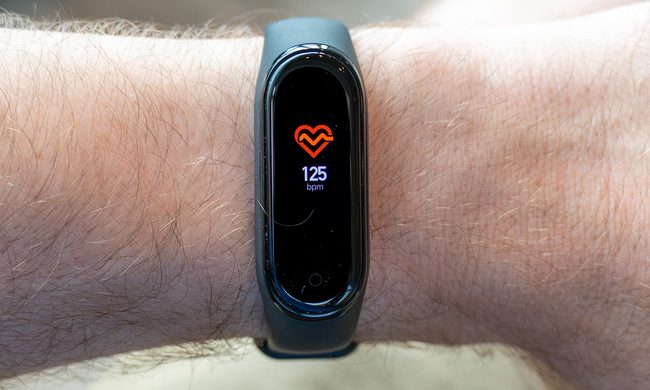
Xiaomi Mi Smart Band 4

Fitness trackers and smartphone apps may be doing more than just tracking you from your wrist. A new review published in the Journal of the American Heart Association found that people with cardiovascular disease who used smartphone apps, fitness trackers, or wearable devices were more active than those who did not use digital tools.

The review looked at 14 clinical trials involving 1,057 participants with diagnosed cardiovascular disease, including coronary heart disease, heart failure, heart attack, or stroke history. Compared to people who did not use these tools, participants using apps or wearable tech walked nearly 1,100 more steps per day and added about four extra minutes of moderate-to-vigorous physical activity daily.

Read more