If there’s one smartphone company that I just can’t shake in 2024, it’s Motorola. After such a strong 2023, this year has been oddly bumpy for the company. Whether it’s because of poorly-received budget handsets or mind-boggling software decisions, I’ve raised my complaints about Motorola a lot this year.
Thankfully, after a big recent product launch and a chance to sit down and talk with two of the company’s executives, I’m feeling a bit better about Motorola than I was earlier this year. I certainly don’t think things are perfect, and there’s plenty of room left to improve, but I also don’t think things with Moto are quite as bleak as I originally feared.
I’m not ready to give up on Motorola just yet, and I don’t think you should either.
The Razr 2024 is just what Motorola needed
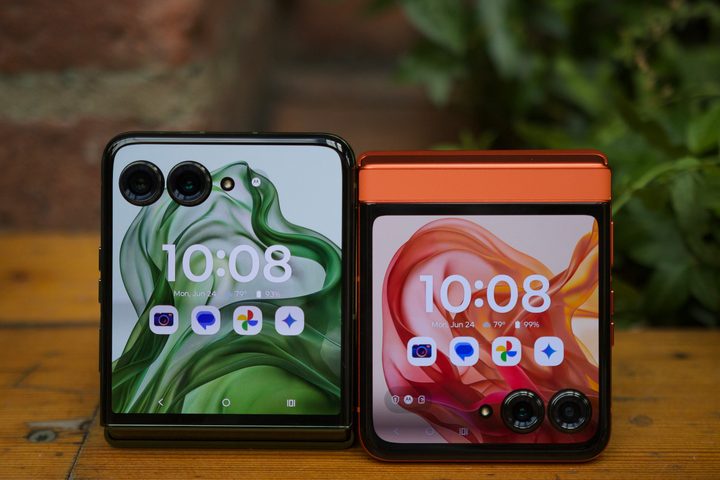
There are a couple of reasons why I’m feeling better about Motorola — and the first has to do with its latest smartphone launch. The company recently announced the Razr 2024 and Razr Plus 2024 as its two newest foldables. Simply put, I’m really happy with how the phones turned out.
Last year’s Motorola Razr Plus was one of my favorite phones of 2023. This new model looks like that same phone again but with some really important upgrades. The hinge feels better and is easier to open, the cover display is even bigger, and the new cameras seem really promising. Combined with solid specs under the hood and some really lovely colors, I’m finding little to complain about. It also still costs the same $1,000 as last year’s model — something we may not be able to say about the Galaxy Z Flip 6.
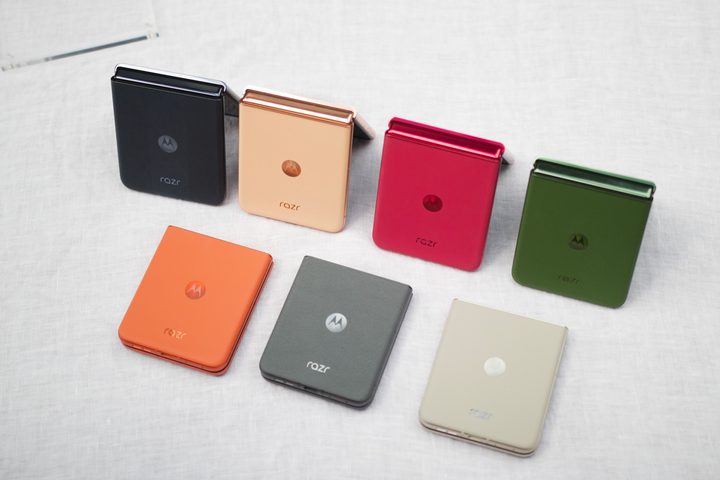
The cheaper Razr looks good, too! The cover screen is much bigger than last year’s Razr 2023. Instead of what was essentially a glorified smartwatch screen, you can now use it just like you can the Razr Plus’ cover screen. Its leather colors also look excellent, it has the same 50MP main camera found on the Razr Plus, and it even has a bigger battery than its more expensive sibling. The best part? It still costs just $700. Last year’s Razr was an incredible deal, and the 2024 model looks like an even better one.
I’m saying all of this without having fully reviewed either of the new Razrs, and there’s always the chance they won’t perform as well as I’m hoping. But based on my hands-on time with the phones, I don’t have any reason to think that. Motorola seems to have done exactly what it needed to with these phones — keeping what worked, fixing what was broken, and keeping prices the same. Considering how good last year’s Razrs were, I can’t wait to see how these new ones hold up.
Learning from past software mistakes
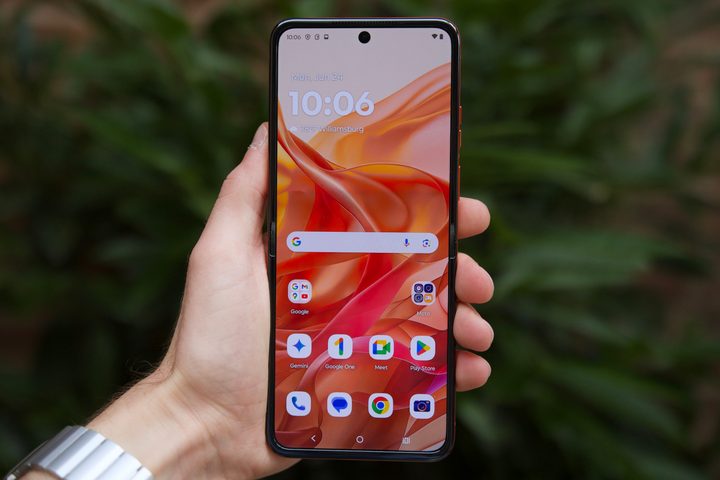
Motorola appears to have gotten the hardware, specs, and price right with the Razr 2024 family. But that’s not the only reason I’m so excited. Neither phone is plagued with the software issues I’ve seen on other Motorola phones this year, and I couldn’t be happier about it.
The software on Motorola phones in 2024 has been … bad. Thanks to app folders riddled with advertisements, a new default weather app that’s an even worse ad-filled mess, and a lock screen cluttered with articles and other online content, it’s all made Motorola phones feel quite cheap. Thankfully, none of this is present on the Razr Plus 2024 or the Razr 2024.
That’s great, but what gives? I asked Motorola about this. The company’s head of AI and software experiences, Jeff Snow, told me part of the reason is to “maintain continuity between the external and internal screens.” He also said, “In the Moto Gs, we’re [Motorola] trying out some software capabilities that we might extend into that tier.”
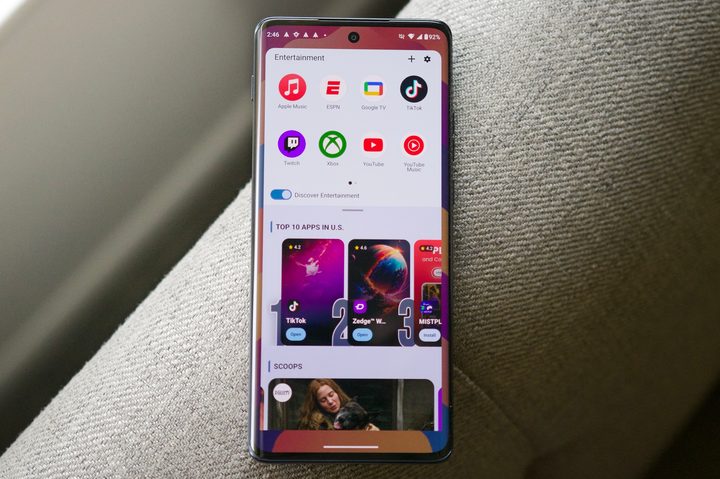
I imagined this would be the case — test the waters with software bloatware on the cheaper phones but keep it away from more expensive phones. However, after seeing those same software problems on the Motorola Edge 2024, I wasn’t sure what to expect.
I wish Motorola wasn’t messing with this kind of stuff at all, but at the very least, I’m glad to see there’s still restraint to not litter flagship-grade phones with crummy software. In the case of the new Razrs, it makes them feel so much better. Here’s to hoping Motorola gets the message and reconsiders these “software capabilities” on other phones this year — flagship or not.
What about software updates? Well…
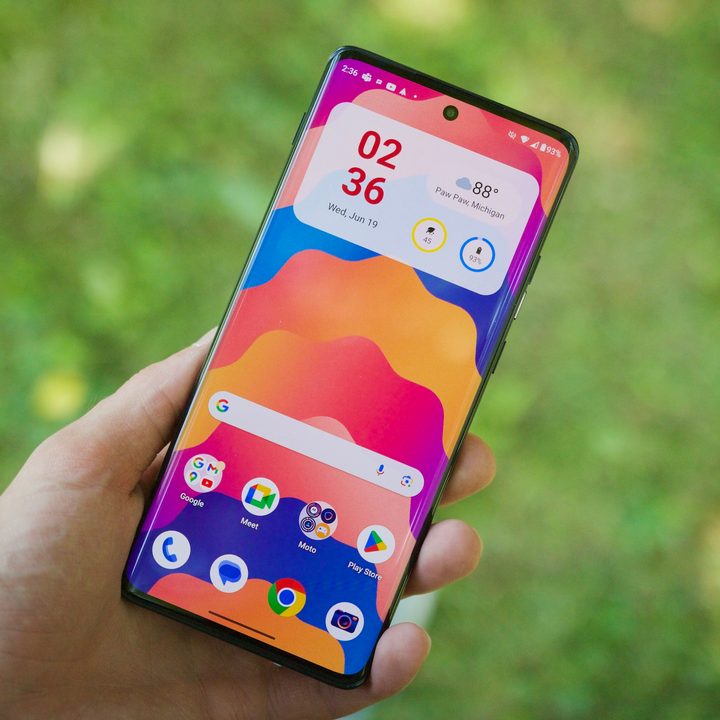
Bloatware has only been one of my concerns with Motorola phones. Software updates are another one. Unlike the bloatware issue, which has only popped up recently, software updates have been a thorn in Motorola’s side for years.
The new Razr phones continue this trend. Motorola promises just three years of Android OS upgrades and four years of bi-monthly security updates for both the Razr 2024 and Razr Plus 2024. In a world where Google and Samsung are promising seven years of software updates for flagship and midrange phones alike, it’s a really disappointing sight.
I asked Nicole Hagen, executive director of product marketing at Motorola, about this, and she told me, “It’s always an internal debate” and that “it always comes down to balancing.” That “balancing” refers to the resources Motorola needs to put toward hardware, software, its new AI tools, etc.
Hagen also addressed companies like Samsung and Google with their seven-year update promise. “When we look at the life cycle or lifespan of our devices, it’s not over four years,” she said. “Our goal is to kind of sustain our products during the life cycle that they have with their users, and we feel that we’re doing that with our policy.”

Snow also chimed into the conversation, saying that the balancing act also has to consider people who are using their phones, knowing how their current software works, and being “reluctant to change.”
Personally, I don’t buy that argument. Can software updates introduce new features and user interfaces that may take some time to get used to? Sure. But that rarely happens with Android updates these days. Further, it doesn’t excuse Motorola for sticking with such a limited update policy when its competitors are running circles around it.
Thankfully, it sounds like there’s room for this to change. “It’s something we’re always looking at. Especially as now we’re starting to look at bringing AI features to more phones, how do we extend that to more phones is something we’re looking at as well,” Snow said.
Motorola has to keep this up
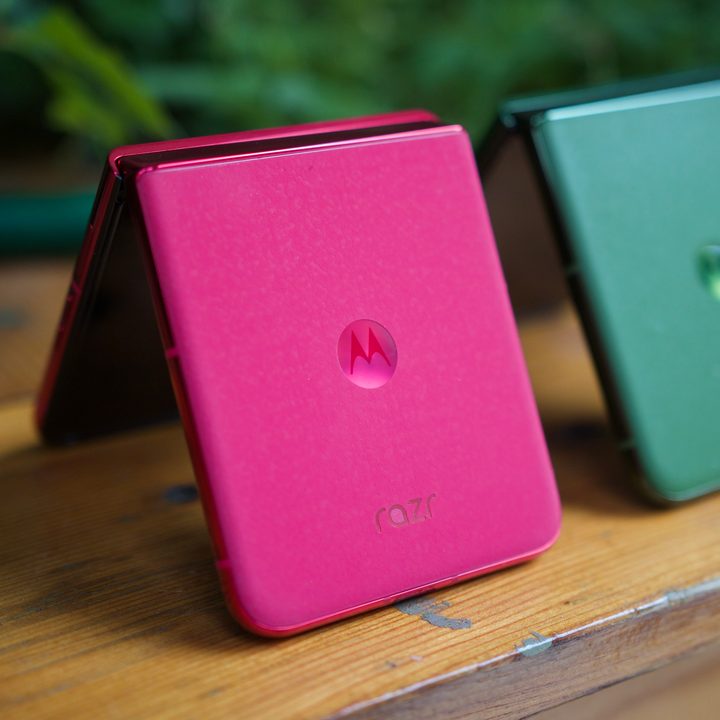
Two promising new foldables, signs of restraint for bloatware, and at least an inkling that Motorola could change its ways with software updates. While not all of those things are home runs, they do at least show me that Motorola is still worth paying attention to as we make our way through this second half of 2024.
Does all of this excuse the company’s many missteps earlier this year? No. But it does give me more hope for what the remainder of the year entails. Motorola is still churning out solid hardware and is seemingly still capable of delivering good software, too. Both of the new Razrs are proof of that, and I desperately hope that’s true of other Motorola phones we see after this.