Qualcomm made big announcement this week. The company just unveiled its new Snapdragon 8 Elite chip, and even if you don’t keep a particularly close eye on the smartphone chipset world, it’s something that’s worth getting excited about. Qualcomm is promising substantial performance and efficiency improvements over last year’s already excellent Snapdragon 8 Gen 3, which is great news for next year’s slate of flagship Android phones.
But there’s more to the Snapdragon 8 Elite than it being more powerful and more efficient. It also has the potential to substantially change the way we use the cameras on our phones. How so? I talked to Judd Heape, VP of product management at Qualcomm, to better understand it myself, and I came away significantly more excited about the immediate (and faraway) future of our smartphone cameras.
Behind-the-scenes camera upgrades that matter
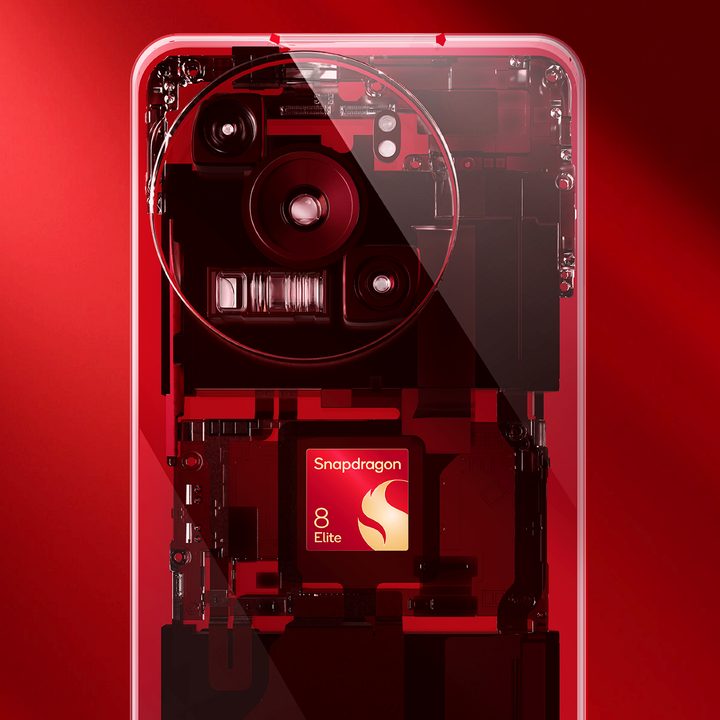
A big part of the Snapdragon 8 Elite is what Qualcomm calls its “AI ISP.” An ISP (image signal processor) is a standard component of every smartphone chip, including Snapdragon ones, and is what facilities image processing on your phone’s camera. For the Snapdragon 8 Elite, the AI ISP has a much tighter connection to the NPU (neural processing unit) than any other Snapdragon chip before it. That may sound like a lot of technical jargon, but it essentially means that critical camera features should run much better than before.
What kind of camera features? One of the most exciting is how the AI ISP should improve auto white balance. Why is that a big deal? “One of the things that cameras get wrong a lot based upon very complex lighting, like lighting an interior versus exterior at the same time, if you’re outdoors in a parking lot and the lights are very orange … that sort of thing,” Heape said. “Your skin tone can get really messed up really easily because of that, and that’s a failure of auto white balance.”
Because this new ISP has a tighter connection to the Snapdragon 8 Elite’s NPU, it can “generate proper skin tone no matter what the lighting condition is.” The really exciting thing is that these auto white balance improvements don’t just happen after you’ve taken a photo. You see those enhancements in real time through the viewfinder, so the image you see as you’re taking a picture is what you’ll get.
Another promising change is that the new ISP consumes less power. “The power consumption also of the ISP has gone down due to the new architecture,” Heape said. “So, in really interesting use cases, like 4K 60 fps HDR video recording, the ISP consumes 25% less power … which means that you’ll have less thermal problems when you’re trying to shoot videos.” Speaking of video, the new ISP also improves Qualcomm’s “temporal noise filters.” Those filters look at more video frames than before so “the video that you’ll shoot is a lot cleaner than it used to be. It was good before but it’s even better now.”
Are these flashy AI camera features like the Google Pixel 9’s Add Me mode or the numerous camera/photo editing tools in Galaxy AI? No. But are they ones that could legitimately result in better photos and videos for any phone with a Snapdragon 8 Elite? Absolutely. And that’s the type of AI camera enhancements I want to see more of.
What does the future of smartphone cameras look like?
Beyond immediate enhancements coming with the Snapdragon 8 Elite, Heape also shared a few insights about what the greater future of smartphone cameras may look like — and what he, as someone who works closely on this stuff at Qualcomm — wants to see more of.
While talking about the auto white balance improvements and seeing those enhancements through the viewfinder in real time, Heape admitted that “the industry needs to drive toward that. What you see is what you get is really important. It gives the photographer confidence … OEMs need to concentrate on that.”
Heape was also asked about his “dream application” for Qualcomm’s ISP advancements and what he was most excited to see smartphone companies do with it in the next few years — and I thought his answer was fascinating. As he explained, Heape is interested in “reducing the cost and complexity of the camera system.”
“I think we can get away with two cameras instead of three in some cases … which reduces the processing and power … plus using AI for super resolution and using AI to augment capabilities in lowlight.” When asked to look even further ahead about how he’d like to see AI used to further improve the smartphone camera experience compared to what we have today, Heape said he wants to see a world where your camera gets to know you.
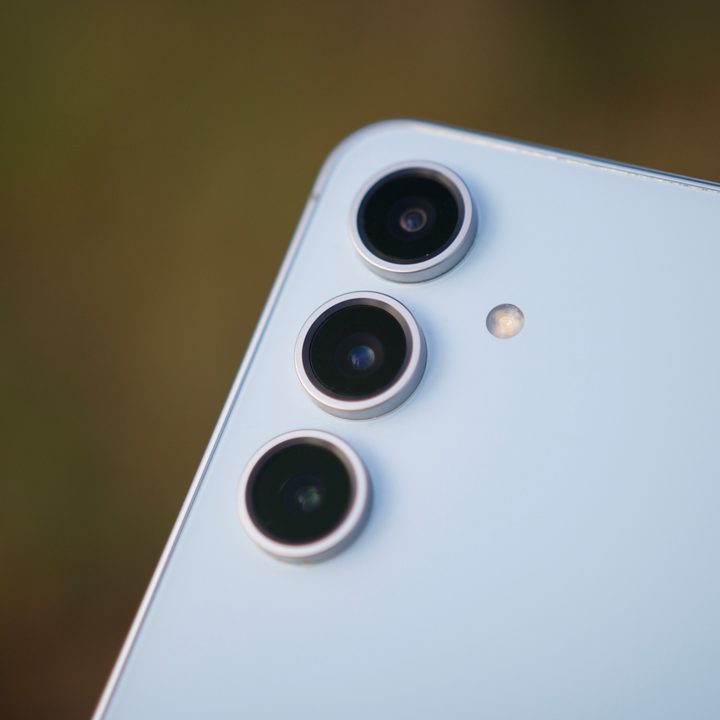
“Your camera getting to know you, and know what you like, and know the edits you tend to make and the shots you like to take … basically training your camera. Learning what kind of shots you like and the composition and the camera getting to know you over time and then making those adjustments for you the more images you shoot. I think that’s kind of where we need to get to next … kind of like having the Copilot PC, if you will, for your camera.”
As someone who’s felt pretty unimpressed with existing AI camera tools, I really hope Heape’s ideal camera future is the one we’re headed toward — one where AI is working in the background and giving you better photos and videos without you having to think about it. I don’t particularly care about (or want) AI features that alter my photos into something they aren’t. I want my phone to take the best picture possible without me needing to think about it too much, and talking with Heape, that sounds like the future he wants to see, too.
I think we’re heading in the right direction
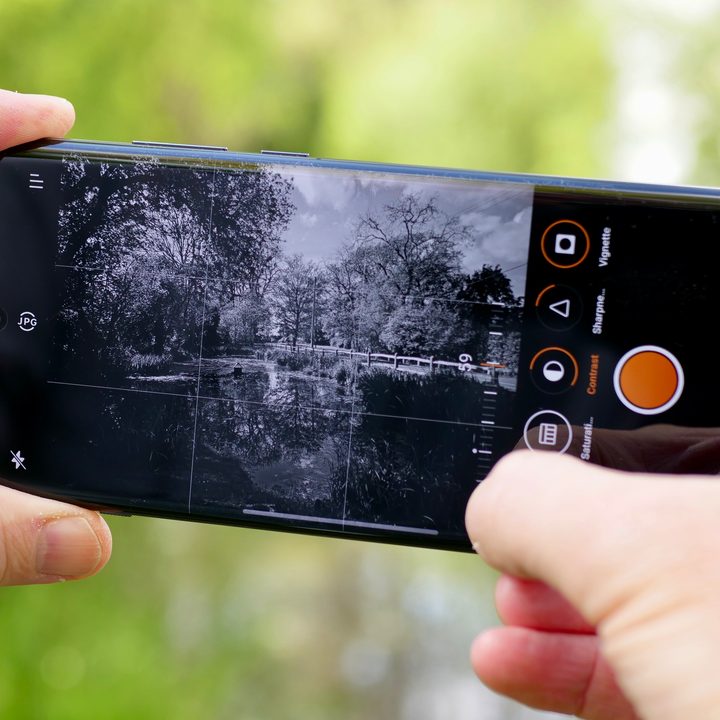
Ever since smartphone brands and chip manufacturers started going all in on AI over the last couple of years, I’ve found it difficult to get truly excited about almost any of it. We’ve seen cool tech demos and a few cool features here and there, but nothing that I’ve felt has genuinely changed how we use our phones — particularly when it comes to the camera.
While it remains to be seen just how well the Snapdragon 8 Elite and its new ISP actually perform in the real world — and whether the camera future Heape describes is the one we’re actually headed toward — I will admit that I’m genuinely curious and hopeful about all of it. I firmly believe that the best use of AI is having it work in the background and allowing you to use your phone as you normally would but making it better. Give me better white balance and video recording any day of the week over wonky image generator tools. It really feels like that’s the direction Qualcomm is headed, and if that’s the future we can look forward to with smartphone cameras, count me in.