Apple has a very clever trick up its sleeve when it comes to its silicon. The company is selling you chips that did not fully make the cut. But the really funny part is, you probably never noticed.
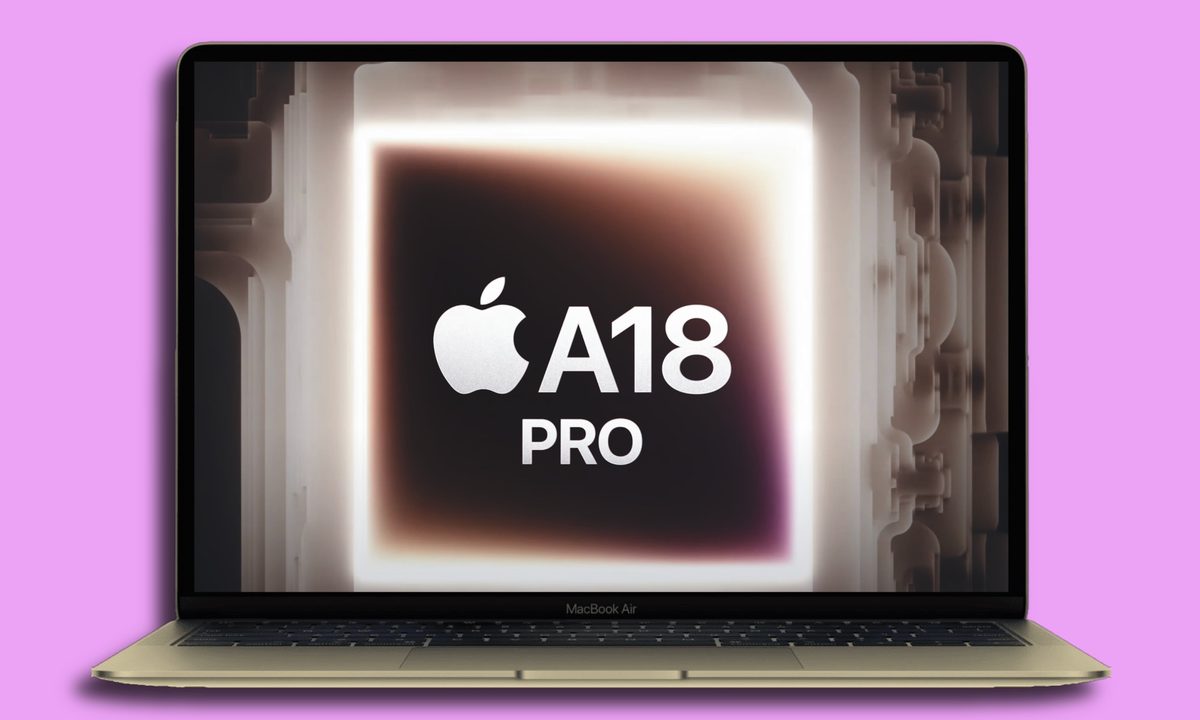
A new report from the Wall Street Journal revealed that Apple has built a strong business around using processors with slight defects or lower-performing parts in cheaper products. The best example of this is the new $599 MacBook Neo, which uses Apple’s A18 Pro chip but with a 5-core graphics processor, rather than the version with one more GPU core used in the iPhone 16 Pro lineup.
This might sound bad at first glance. Nobody wants to hear that a new Apple product is powered by a cutdown/defective core. This sounds dramatic, but it’s actually kind of smart on Apple’s part. These chips are not broken in the way a consumer would understand the word. The underperforming part can be disabled, leaving behind a processor that still works properly for a different device category.
This is called chip binning, and it has been part of the semiconductor industry for decades. Apple is simply using it with the kind of scale and precision few companies can match.
How Apple is turning waste into a product strategy
Chip manufacturing isn’t an easy job. A silicon wafer contains hundreds of chips, and not all of them come out identical. Some hit the highest performance target, while others have a weaker core. There are also those that draw more power than expected and some that fail badly enough to be discarded. The cleanest chips go into the best products. The slightly imperfect ones can be sorted into lower “bins” and used elsewhere. Meaning, there are chips that are grouped by performance and recycled if they fail tests.
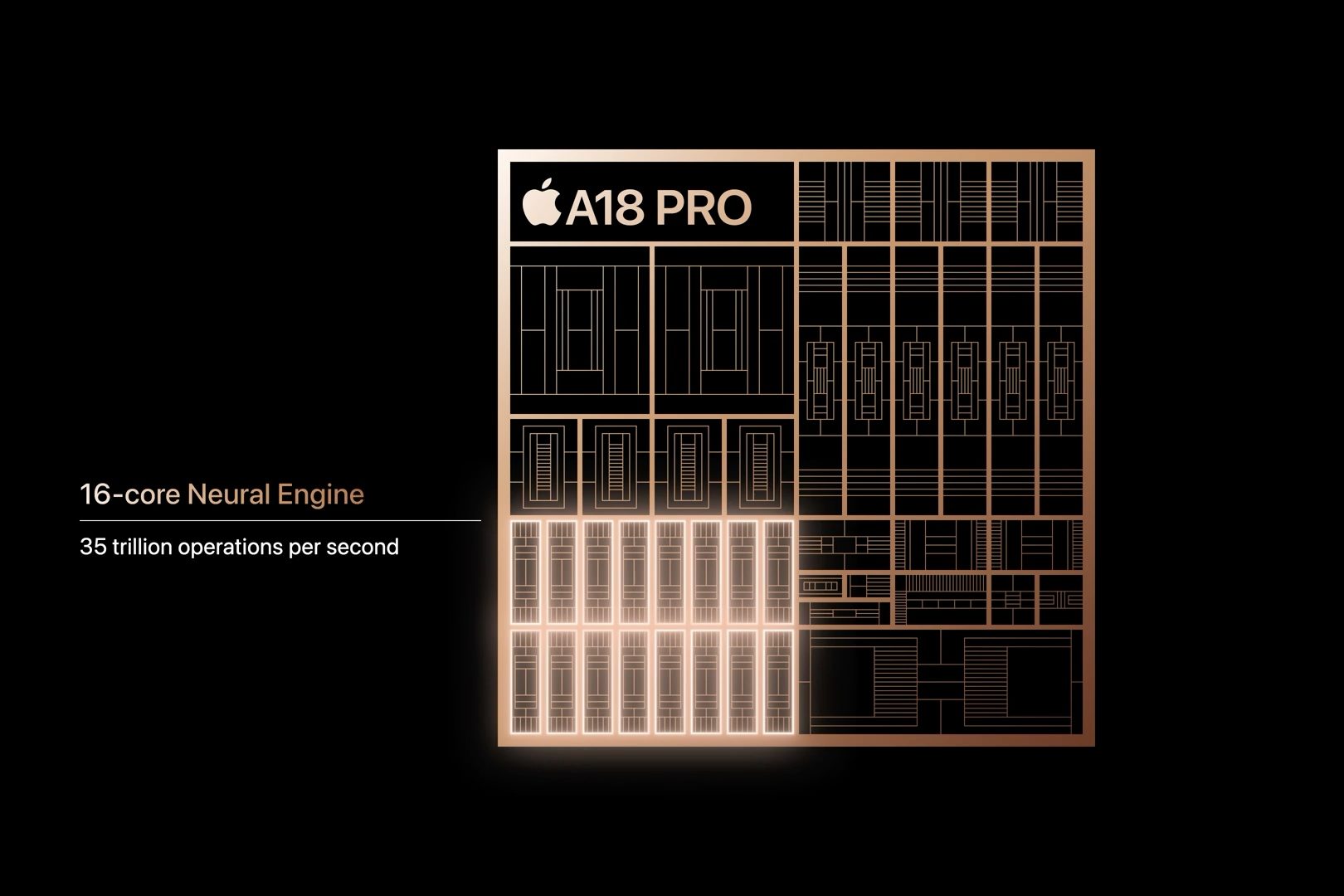
Apple’s advantage is that it sells a massive number of devices across several price tiers. The WSJ report notes that Apple sells more than 200 million iPhones a year, which means even a small percentage of chips missing top specifications can translate into millions of processors that can be repurposed.
A chip that is not ideal for a flagship iPhone can still work perfectly for an entry-level MacBook, iPad, Apple TV, or even the HomePod. This is the kind of flexibility Apple uses across products, including older A-series and S-series chips.
Cheaper Apple products are the point
The MacBook Neo example is especially interesting because it shows how Apple can make a lower-priced device without giving up its silicon advantage. The Neo reportedly uses an A18 Pro chip that would otherwise have been less useful because of the disabled GPU core, which is also what helped achieve its $599 price point. This isn’t about just efficiency; it is also good business.
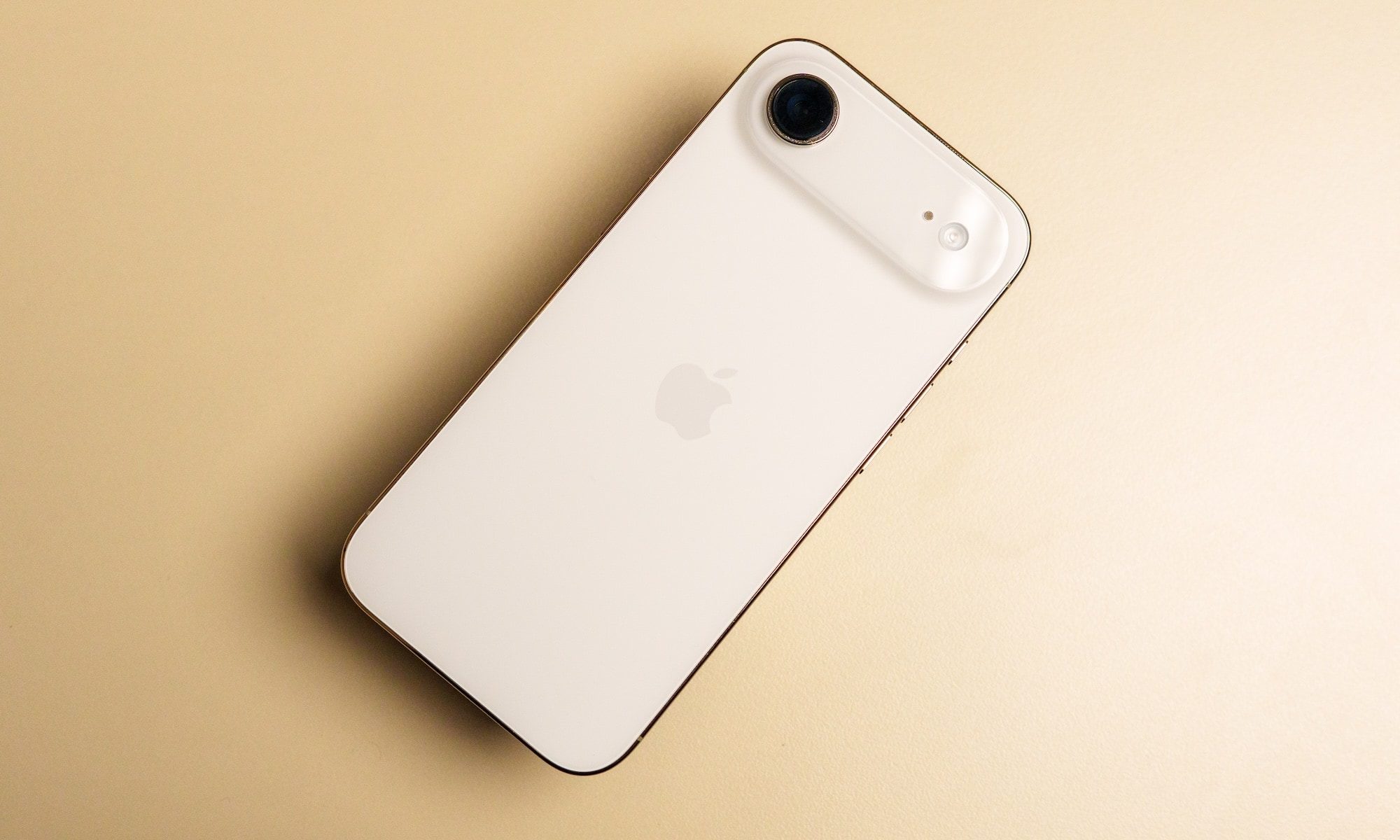
Another great example is the iPhone 17e that uses chips that do not meet the iPhone 17’s target, and the iPhone Air that uses a chip that doesn’t meet the standard for the premium iPhone 17 Pro models. Since 2021, Apple has been selling six A-series chips with one fewer GPU core in cheaper devices after the full version appeared in more expensive models.
Apple’s scale is one of its biggest advantages, as smaller rivals may not have enough volume to turn these imperfect chips into a full lineup strategy. For many buyers, the technically defective chips aren’t a bad product if they perform well for their price. And with the ongoing memory shortage, this helps Apple maintain its margins.