
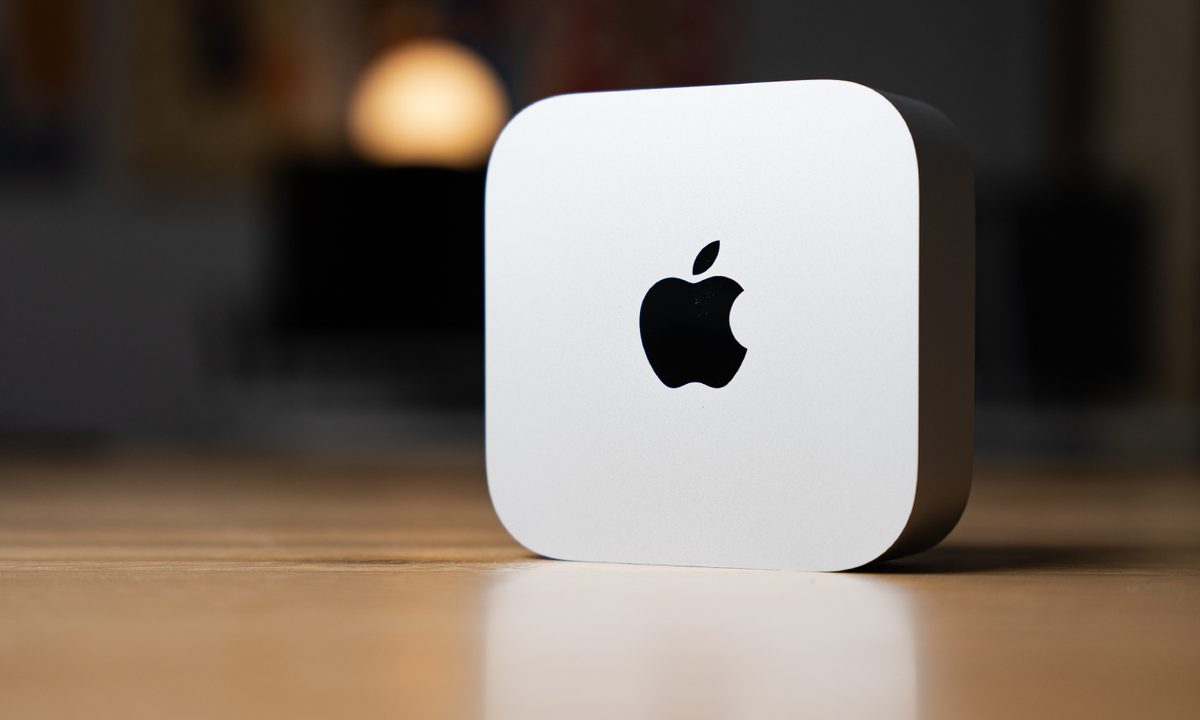
The original Mac mini was released 20 years ago today. And while it was a miniature marvel when it debuted, it’s gone from strength to strength in the years since. Today, it’s one of the best desktop computers you can buy.
When Steve Jobs pulled out the first Mac mini on stage in 2005, it was met with gasps and cheers from the audience, such was its unbelievably compact form factor. Yet when it was introduced, Jobs’ description of it was somewhat underwhelming: “This is a very robust computer, but it’s very, very tiny.” You got the feeling that even Apple wasn’t taking it particularly seriously.
Now, with the M4 series chips and the smallest design it’s ever had, everyone is taking the Mac mini seriously.
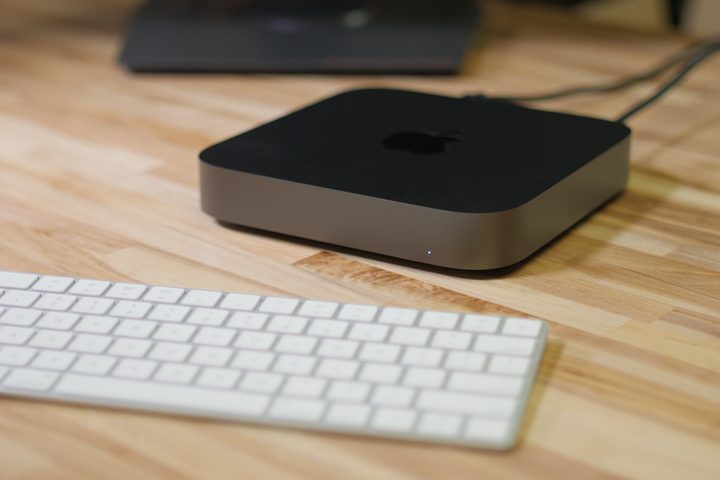
Not only does the M4 Mac mini pack a seriously impressive amount of power into a seriously impressive footprint, but it disproves the widely held belief that all Apple tech is expensive and overpriced. The Mac mini is not just the most affordable Mac available — it also offers some of the best value for money of any computer on the market today.
Its original mission back in 2005 was to be a “stripped-down Mac that is more affordable,” as per Steve Jobs, and to that end, it landed with a price tag of $499. Today, you can get one for $599. Considering the 20 years of inflation that have passed, that’s still an incredible price. Incidentally, $499 in 2005 is about $825 today, highlighting what a superb bargain the Mac mini is.
If you don’t intend to work on the go, the Mac mini is probably the best Mac for most people right now. Combined with the fantastic ecosystem of Mac apps and the growing plethora of AAA Mac games, it should have everything required for 90% of the computer-buying population.
Falling in love with the Mac mini
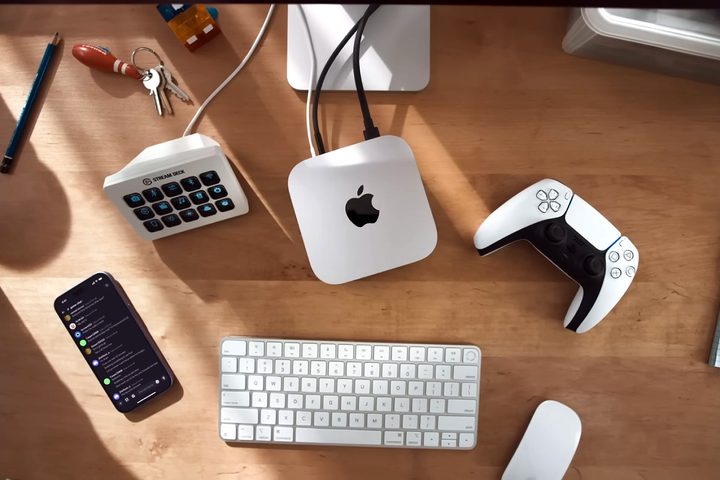
I’ve been a fan of the Mac mini for years. My M1 model comes with plenty of power for my needs and doesn’t clog up my desk. And while I thought my small-form-factor Windows PC was tiny, the M4 Mac mini simply blows it out of the water.
As well as that, I’ve never liked Apple’s keyboards and mice — the Magic Keyboard is expensive and unsatisfying to type on, while the more I use the Magic Mouse, the more uncomfortable its low-profile shape feels.
I don’t have to settle for Apple’s input devices in the way I do with the MacBook Pro, as the Mac mini has no built-in peripherals. As Steve Jobs once said, the Mac mini is BYODKM (or “bring your own display, keyboard and mouse”). I can use a gaming mouse, a mechanical keyboard, and a massive, high-resolution display and still get a fantastic macOS experience. It’s tailor-made for customization in a way that few other Apple products are.
A few months ago, I was considering giving up on the Mac mini — not because mine is bad, but because my MacBook Pro does everything I need. I find myself reaching for my laptop over my Mac mini much of the time. What was the point of having two Macs if I used one far more than the other?
Then the M4 Mac mini came along, with its incredibly tiny footprint and fantastic power output, all wrapped up in a gorgeous design. It’s totally changed my mind and made me sorely tempted to ditch my Windows PC altogether. It’s reminded me why I fell in love with the Mac mini in the first place.
The next 20 years
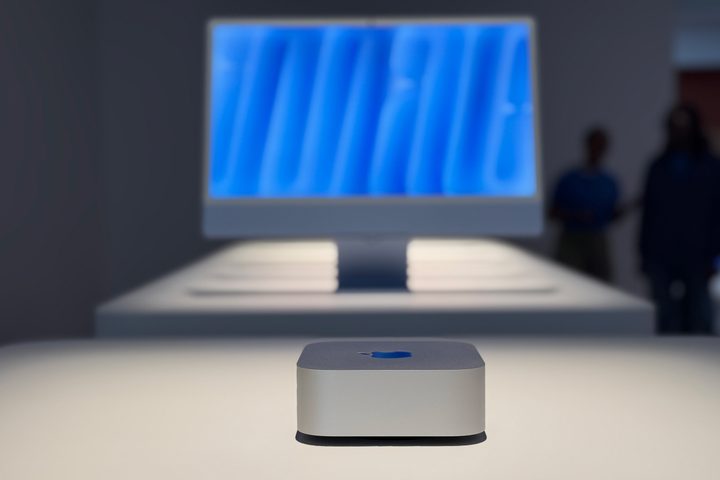
Over the past 20 years, the Mac mini has always had a lot going for it. The original model might look bulky today, but it was almost unfathomably small when it was launched. Successive models cut down the heft even further while bringing in ever-more powerful components, helping it stay relevant (if not always the most powerful Mac in the roster).
But with the introduction of Apple silicon in 2020 and the further power increase of the M4 chips introduced in 2024, the Mac mini has a new lease on life. No longer is it a machine that’s modest in both form and power — today, it proves that mini can mean mighty.
Indeed, today’s Mac mini is in the best shape of its life and is a genuinely strong option for anyone who needs a capable computer that far outperforms its inexpensive price tag. Now, I’m looking forward to seeing where it ends up in another 20 years’ time.


