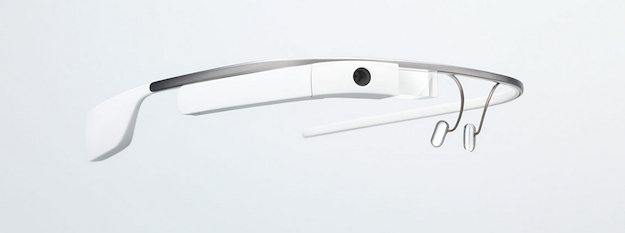
 As Google presses ahead with the development of its augmented reality Glass gadget, possibly for a commercial launch in the first half of next year, the team on Monday rolled out the latest software update for the device, this time focusing on its camera function.
According to a post on the Project Glass Google+ page, the device’s low-light capabilities have been improved, resulting in brighter, sharper images.
Also, the post explains that now, each time you snap a shot, a rapid sequence of images will be captured “behind the scenes”, allowing it to automatically build an HDR image when it detects a high contrast scene. An HDR (high dynamic range) image is created from multiple images taken at slightly different exposures that when combined bring out more detail than you’d get with a single shot. While this type of photo can sometimes look gaudy and otherworldly, with subtle manipulation of the image they can really help to improve the look of a picture.
Google’s example HDR shot (below) thankfully appears to lean towards the ‘subtle’ end of the scale, clearly rescuing some detail in both the sky and water without overdoing things. The Glass team says its futuristic head-based computer will even be able to create HDR shots in tricky situations, such as when objects in the frame are moving.


The ability to include a caption your photo is also a part of the update. “They say a picture is worth a thousand words, but we understand that you may want to add a few,” Google says in its post.
If you choose to share a picture, you’ll be asked if you want to add some text. To do so, you tap the touchpad and speak your caption. Provided Google’s software hears you right, that’s all there is to it.
Developers who paid up to join the Glass Explorer program, as well as the winners of a recent competition, will be able to download the update now, which also offers “a number of other small improvements.” Another update can be expected in July.
Earlier this year, Babak Parviz, a key player in the development of Glass, said good progress was being made with the gadget’s “complicated” development, adding that there is still much to be done.