The clock is ticking down on 2026, but for smartphone enthusiasts, it’s ending on a bittersweet note. Apple delivered one of its strongest entry-point phones in the year with the iPhone 17, while the iPhone 17 Pro marked the biggest upgrade we’ve seen on a flagship from the brand in years.
Google’s Pixel 10 did one better, while the Pixel 10 Pro emerged as the most refined AI-first phone out there. Samsung knocked it out of the park with the Galaxy Z Fold 7, and even supersized the foldable formula with the Galaxy Z TriFold. AI offered a clear sign that the way we interact with smartphones is about to change radically.
Not every smartphone user is happy with the shift, because some of the AI injection is truly sloppy. And let’s not forget how it has sent the hardware industry into a memory (read: price) crisis. A lot has changed, but the ride is going to be wild next year. Based on the course charted by the industry so far, here are some of my smartphone predictions, some of which I hope don’t come true.
Here comes the hike
Thanks to the unending thirst for more computing power and data centers, the AI industry has choked the memory supply chain. Micron has announced that it will no longer sell RAM and SSDs to consumers under the Crucial brand so that it can cater to the demands of AI players. The likes of Samsung and SK Hynix are also making a pivot while making record profits.
The PC industry has gone into a spiral due to a rapid surge in the price of memory modules, but the winds are coming for smartphones, too. Chinese smartphone giants are slamming the brakes on RAM purchases due to a steep 50% price hike in the market. Xiaomi is reportedly planning to cut down on the RAM capacity in its phones.
It’s a no-win situation, to be fair. On one hand, you need more RAM for AI processes, especially those that run on-device. And since AI is being seen as a crucial edge, most smartphone brands will want to push forward. But if they do so, there’s no other option left than hiking the asking price.
Chinese brands have been known to absorb the surging price of components to a certain extent, but the global brands like Samsung and Apple may not. These two have better supply chain clout and weather the storm for a while, but for the rest, there is barely any viable alternative other than raising prices. It has already started in markets such as India, and the impact will be felt elsewhere soon.
Big, bigger, and bonkers battery

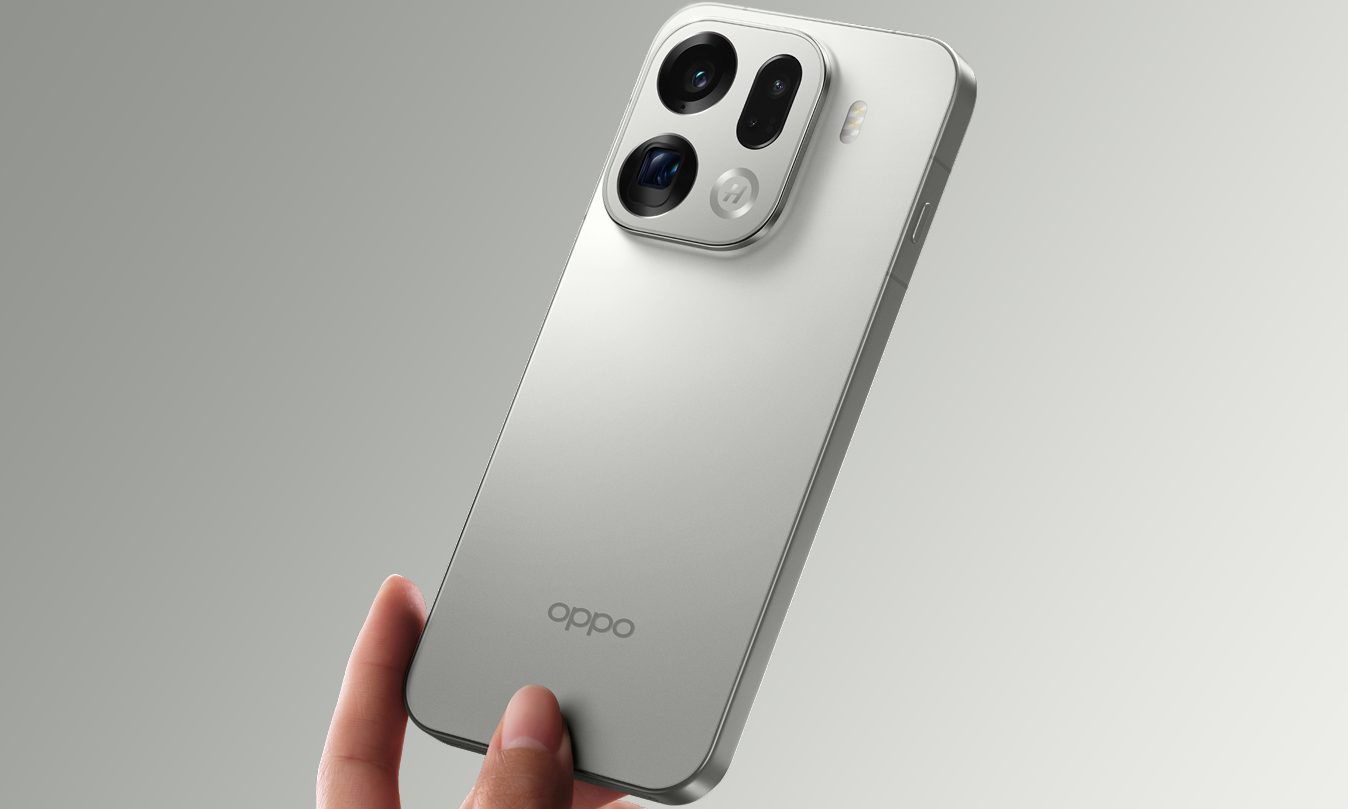
2025 was the year when massive batteries finally went from novelty to mainstream. OnePlus raised the bar with a 7,300 mAh battery on its latest flagship, while its sister brand went a step ahead and equipped the flagship Oppo Find X9 Pro with a massive 7,500mAh unit. That’s a huge 50% jump compared to Samsung’s Galaxy S25 Ultra.
A OnePlus phone with a massive 9,000mAh battery has just appeared in leaks, while Honor has already started selling a Win series smartphone with an outrageous 10,000mAh battery. Realme, on the other hand, has already showcased a working phone with an even bigger 15,000 mAh battery.
Of course, the battery tech had advanced dramatically, allowing engineers to develop denser batteries with a higher output, without making the phone look like a brick. Will the international brands like Samsung or Apple embrace it? Quite likely, and not simply because they want to pip the competition.
Samsung is already in the deep end of foldable phones, and it’s imperative for the brand to finally experiment with an advanced tech stack such as silicon carbon battery. Foldable phones need a bigger battery to drive two display panels. The race has already started.
Honor made a foldable phone that is merely 8.8mm across, but still fits a 5,820 mAh battery with fast charging chops, thanks to the silicon carbon battery tech. I am expecting the big players to finally adopt this tech in their slab-style as well as foldable phones next year.
AI runs deeper and wider
AI has dramatically changed the software experience on smartphones, and there is no other device doing it better than the Pixel 10 series. No, I’m not talking about the gimmicky tricks such as making AI videos. I’m talking about the meaningful perks.
The Pixels can hear your calls and read messages in real-time, smell signs of a scam, and warn users. Magic Cue, live transcribe, Gemini’s world awareness, and Pro Res Zoom offer a glimpse of a future where AI works proactively for you.
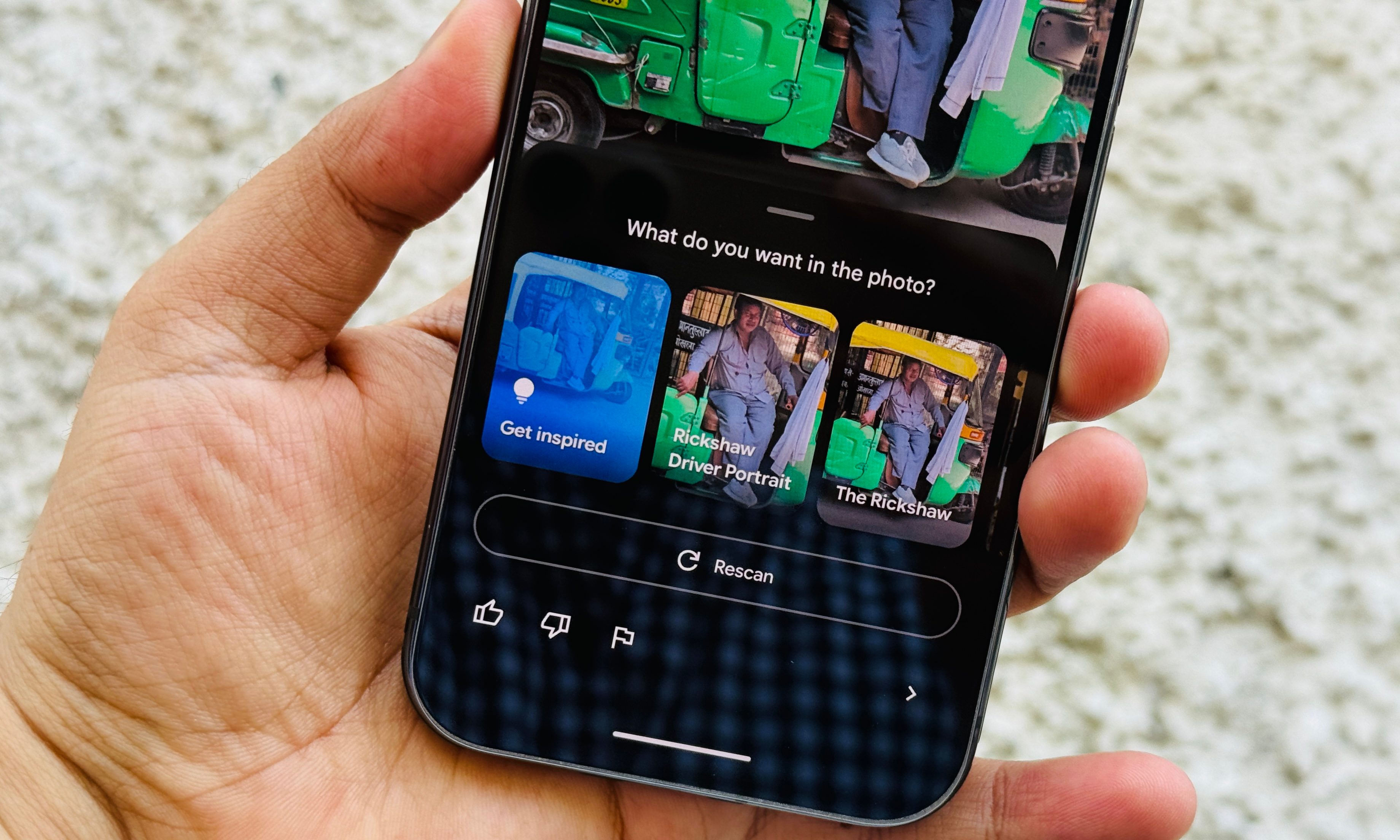
The AI-powered smart memory called Mind Space on OnePlus phones is another extremely useful trick. Nothing, on the other hand, now offers a text-to-app system that lets users create mini-apps by simply describing them. These apps can be shared and remixed openly, just the way you build web apps with Google Opal.
The overarching idea is to let users build the apps they’ve always wanted, on their own, and own as much of the smartphone experience as they can. At the same time, AI will seep deeper into apps, allowing users to get work done in apps using voice commands without ever opening these apps.
Gemini can already handle Google’s own apps and even third-party tools such as WhatsApp. With the Google AI Edge SDK, developers can use on-device Gemini Nano functionality in their apps, allowing users to push the AI interactions without even an internet connection.

Apple’s Foundation Model Framework is also offering something similar to developers. And let’s not forget, the AI brain transplant for Siri is likely happening this year, finally pushing it in the same league as Gemini and ChatGPT. The bigger theme is that more AI interactions will happen on-device, ensuring that your data never leaves the device.
Talking about ChatGPT, there’s now a dedicated app store where you can link OpenAI’s chatbot with dozens of apps and handle tasks without ever opening those apps. I recently experimented with a bunch of them, and I was pretty impressed by the sheer convenience.
Closing notes
The year 2025 witnessed the return of super slim phones. Samsung started the race with Galaxy S25 Edge, followed by the iPhone Air, and culminating with smaller labels such as Motorola following in the footsteps. But it seems the trend was utterly short-lived.

Samsung is said to have cancelled the Galaxy S26 Edge, while Apple has reportedly pushed a sequel further into the future due to the lukewarm reception for the iPhone Air. Interestingly, no major brand from China has tried to replicate the ultra-thin phone formula, and supply chain analysts also suggest that it won’t change anytime soon.
At the end of the spectrum, foldable phones have their moment next year. The foldable iPhone will reportedly hit the shelves next year, while Samsung reportedly has a wider format foldable phone planned, as well. The Galaxy Z TriFold has also made its way to the market, offering a glimpse of hybrid phones that truly enter the tablet category.
I am more intrigued by the camera innovations. Apple is reportedly planning a variable aperture tech for the iPhone 18 Pro. Xiaomi’s 17 Ultra pushed the idea of massive 200-megapixel zoom cameras into the mainstream while sticking with a massive 1-inch main sensor.
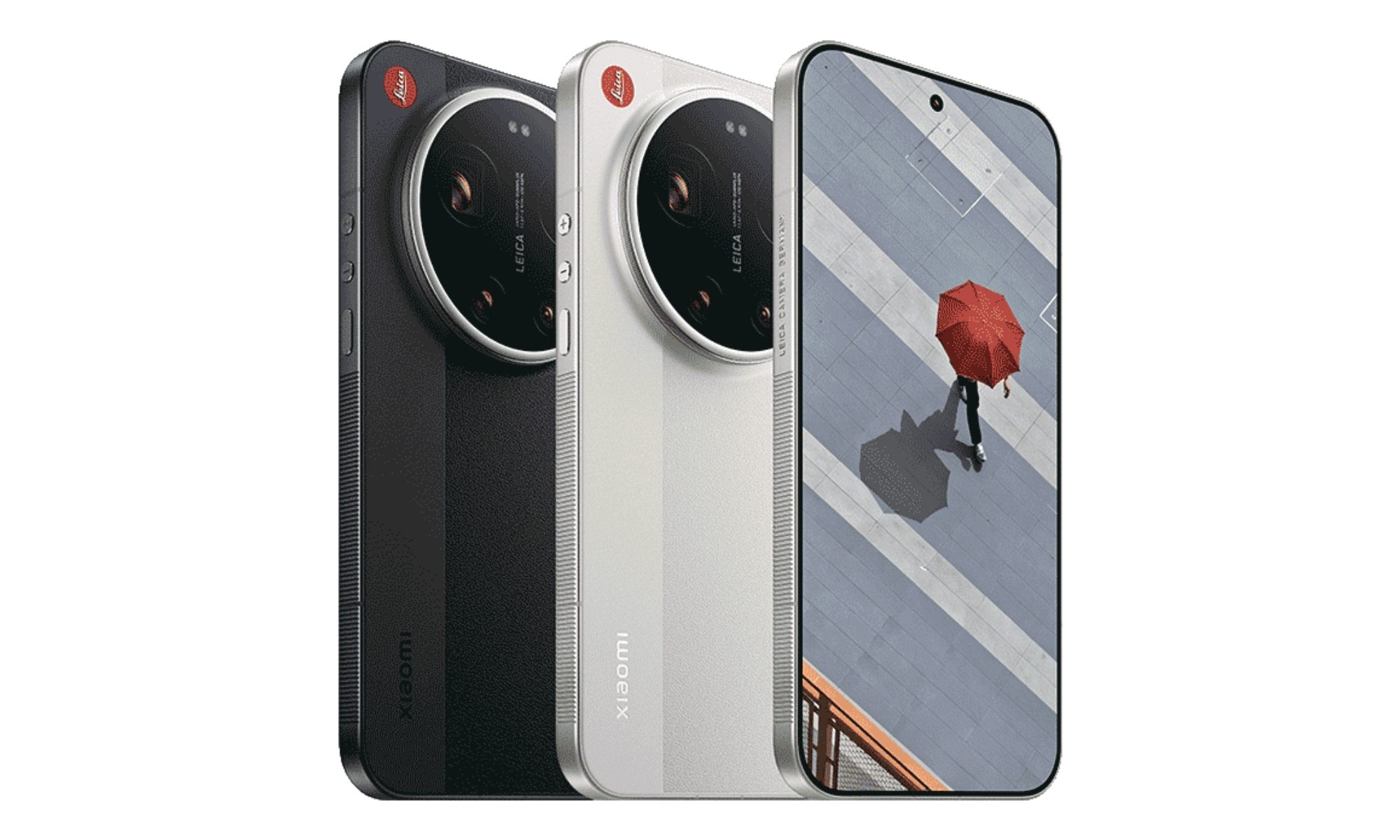
The upcoming Oppo Find X9 Ultra will reportedly pack two 200-megapixel cameras while pushing the zoom boundaries to an astounding 10x optical range. Samsung is reportedly developing its own ISOCELL camera sensors with a 1-inch format and a whopping 440-megapixel resolution.
It seems the megapixel race is back in vogue, and so is the zoom supremacy battle. You can expect some fireworks in the imaging capabilities of smartphones, while Google will most likely raise the bar with more AI-fused chops. Let’s just hope the near-inevitable price hike due to AI doesn’t exact a fat tax for other smartphone innovations.