  1. Home
  2. Computing
  3. News

AI images are now being abused to fake evidence for vehicle insurance fraud

Insurers are seeing fake crash photos and altered claim materials appear in filings, and that is pushing fraud checks into a tougher new phase

Add as a preferred source on Google
Transportation, Vehicle, Car
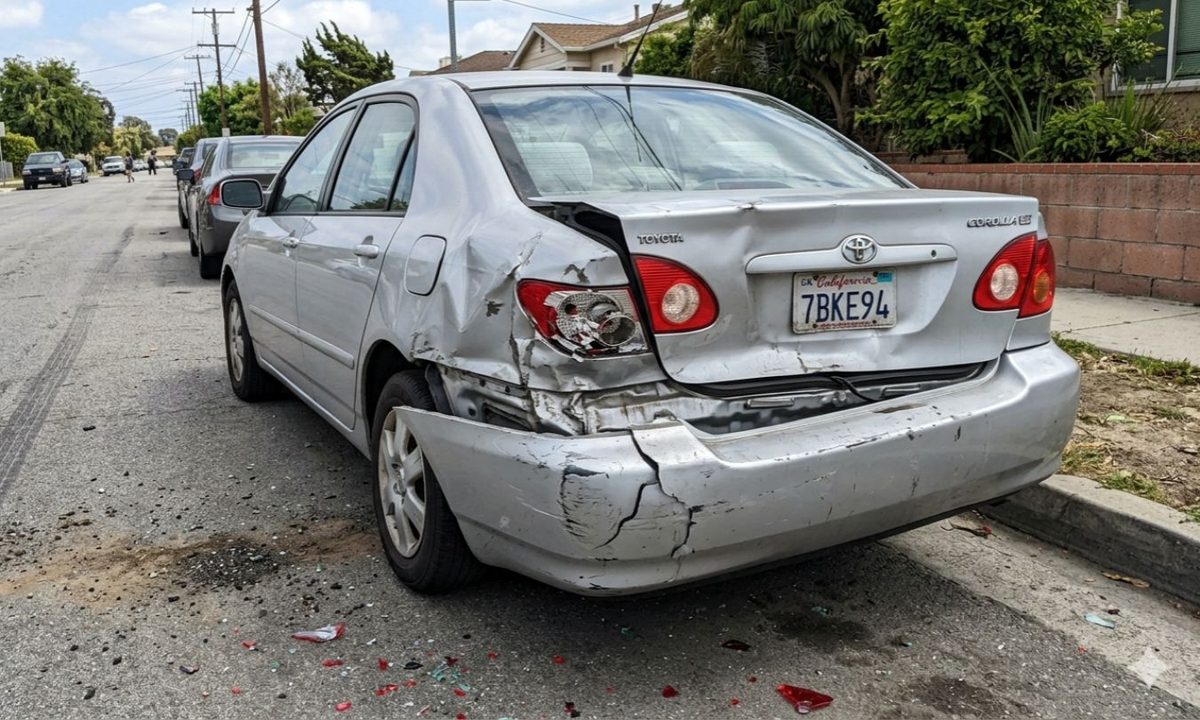
AI-generated car crash Paulo Vargas / Digital Trends

AI-generated car damage is turning into a real insurance fraud issue, with Admiral linking a sharp rise in cases during 2025 to manipulated images and fabricated supporting materials. The problem is no longer limited to suspicious paperwork. Photos of damaged vehicles can now be edited to make a loss look worse or to help support a duplicate filing.

According to a BBC report, one filing used an AI-edited number plate on a damaged Land Rover, while a similar image with a different plate appeared in a second case.

Recommended Videos

Another image made rear-end damage look more severe than it was. Admiral said those submissions were caught by its fraud team and denied before any payout was made.

Admiral also said fraud rose 71% in 2025 from the previous year, and tied part of that increase to easier access to AI tools that can alter images and create documents that never existed. That gives this trend a clear consumer angle, because the cost of fraud does not stay with the fraudster alone.

How the fake evidence works

Instead of relying only on forged forms or invented stories, scammers can now submit a convincing image as supposed proof. In the examples provided, AI was used to change vehicle photos in ways that could help exaggerate damage or recycle the same incident into another filing.
That changes the burden on claims teams. They are no longer just checking paperwork and timelines, they are also testing whether the image itself can be trusted. Admiral said its fraud tools are improving, and the wider industry is sharing tactics as this type of abuse becomes harder to ignore.

Why premiums are part of this

Fraud adds costs across the system, and insurers say those costs can feed into higher premiums more broadly.

That’s what makes AI image fraud more than a niche crime story. Even drivers with legitimate claims could feel the effects through higher prices and more scrutiny during the review process.

Some cases involve opportunistic attempts to inflate a real loss, while others involve fake documents and other made-up materials built to support a false claim from the start. AI makes both paths easier to scale.

What happens next

The immediate response is better detection, but the stakes for customers are also clear.

Admiral said invented or exaggerated proof can lead to a denied claim, a canceled policy, and in more serious cases, criminal prosecution. As AI-made vehicle evidence spreads, closer inspection of crash photos is likely to become a normal part of claims screening.

While Google has taken steps to make sure AI image generation is watermarked, it’s not an industry-wide practice.

Paulo Vargas
Paulo Vargas is an English major turned reporter turned technical writer, with a career that has always circled back to…
If you’re using AI tools like ChatGPT to fact-check news, there’s some bad news for you
AI fact-checking your news might be the digital version of “trust me bro”
ChatGPT

As artificial intelligence becomes a go-to tool for everything from homework to workplace research, many people are also turning to chatbots like ChatGPT, Gemini, Claude, and Grok to verify whether news stories are true. But new research suggests that habit could actually make people worse at spotting misinformation over time.

A new study from the MIT Media Lab found that relying on AI to determine whether news is accurate can weaken a person's ability to independently identify fake or misleading content. Researchers compared the effect to GPS navigation systems, which make travel easier but can gradually reduce a person's natural sense of direction. In a similar way, AI tools may make fact-checking more convenient while quietly eroding critical thinking skills.

Read more
I thought budget Windows laptops were dead, but Computex gave me new hope
I went to Computex for the powerful machines, but found a new budget surprise
Dell XPS 13 at Computex 2026

Budget Windows laptops have had a stale reputation for a while now. While the best part is their affordable pricing, the notebooks are often a little depressing to hold. You know exactly what I’m talking about if you haven’t been exclusive to the Apple ecosystem. Plastic bodies that flex too much, dim screens, and mushy keyboards. The spec sheet might look fine for the price, but the actual machine rarely excites.

During my recent trip to Taiwan for Computex 2026, I was looking forward to the most powerful gaming rigs and all the cool new tech at the event. You expect to see the best of the best from tech giants, so you’re not really looking out for budget announcements. But this year, the most interesting laptop story was not only about monster gaming rigs, AI workstations, or ultra-expensive creator machines.

Read more
ChatGPT is recommending scam websites that will steal your credit card info
The chatbot is surfacing fraudulent clones of defunct retail brands, and scammers are deliberately engineering sites to game its recommendations.
ChatGPT running on a laptop.

Scammers have found a new way to reach shoppers: getting ChatGPT to do their marketing for them. According to The Guardian, scam-checking service Ask Silver found that OpenAI's chatbot is recommending fraudulent retail websites built to harvest payment details from unsuspecting buyers. The sites mimic real storefronts and use official-looking URLs, making them difficult to spot without scrutiny.

Defunct brands are a prime target

Read more