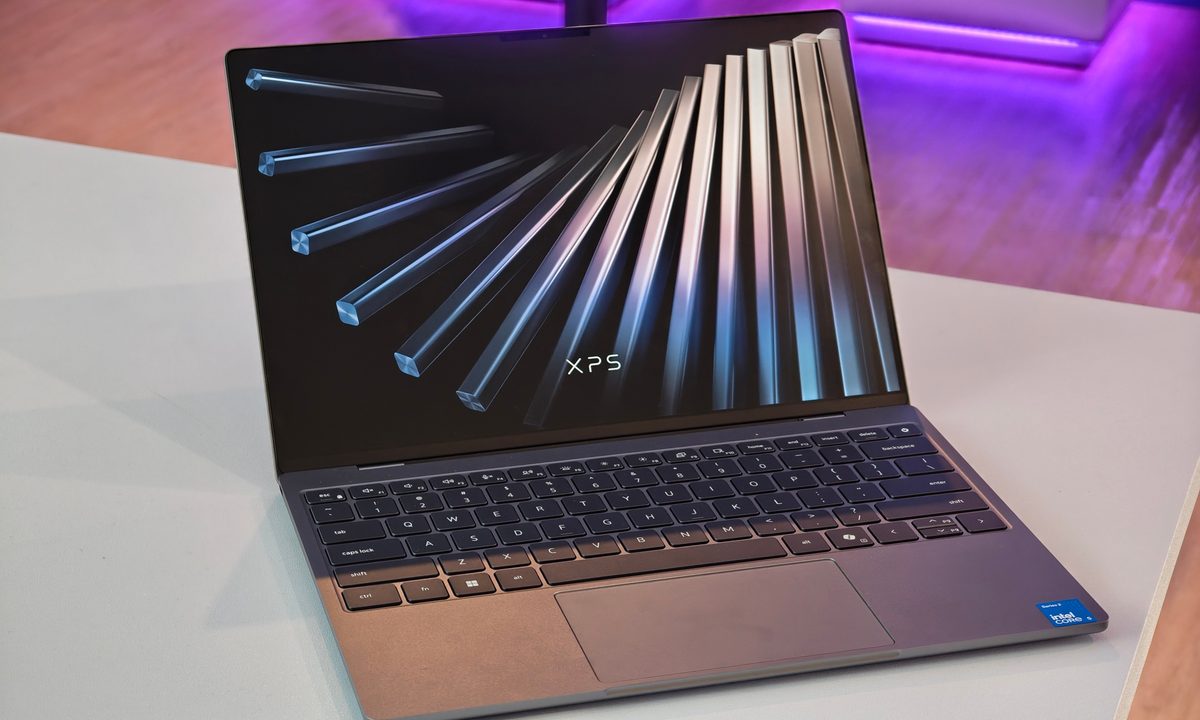

Budget Windows laptops have had a stale reputation for a while now. While the best part is their affordable pricing, the notebooks are often a little depressing to hold. You know exactly what I’m talking about if you haven’t been exclusive to the Apple ecosystem. Plastic bodies that flex too much, dim screens, and mushy keyboards. The spec sheet might look fine for the price, but the actual machine rarely excites.
During my recent trip to Taiwan for Computex 2026, I was looking forward to the most powerful gaming rigs and all the cool new tech at the event. You expect to see the best of the best from tech giants, so you’re not really looking out for budget announcements. But this year, the most interesting laptop story was not only about monster gaming rigs, AI workstations, or ultra-expensive creator machines.
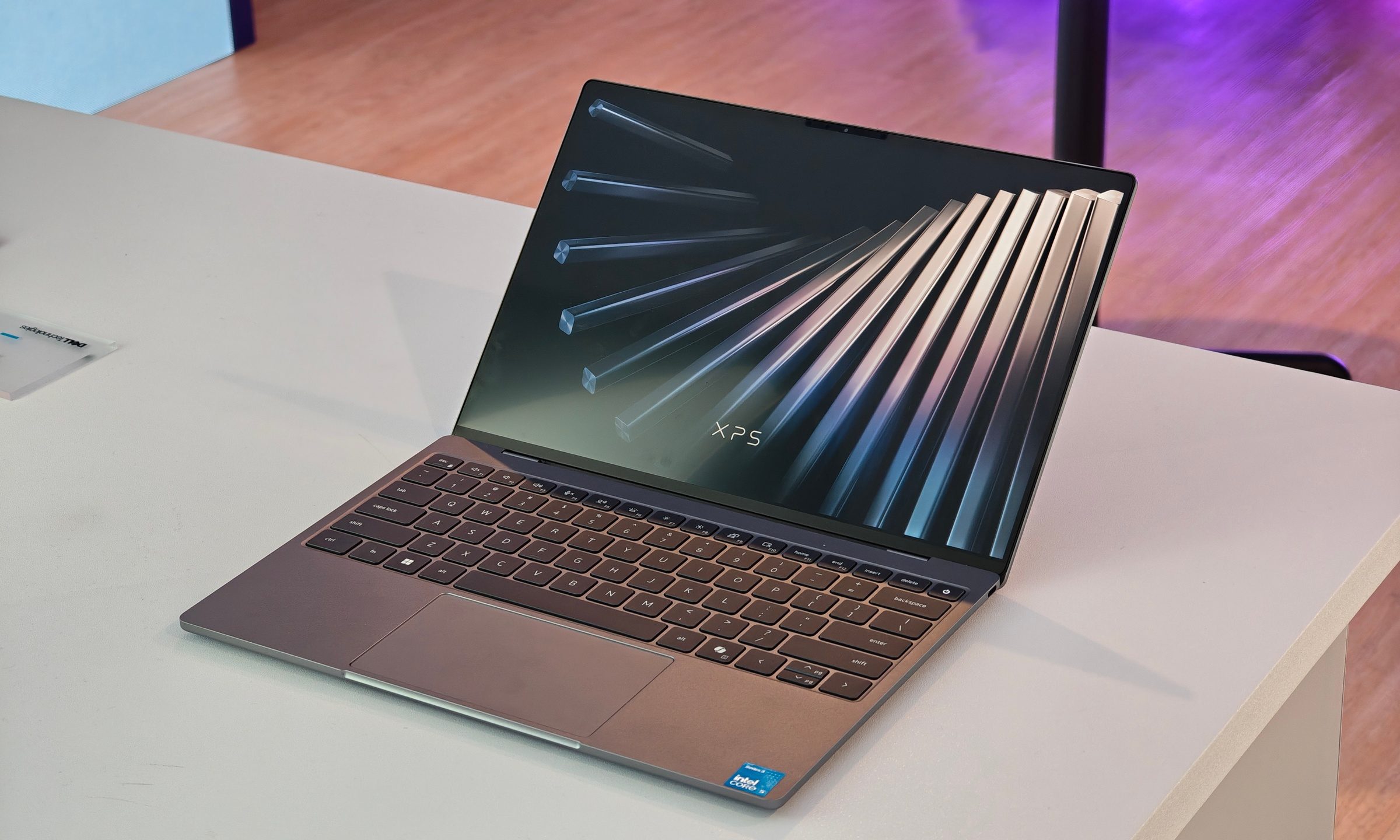
I saw a new wave of budget-premium Windows laptops that seem designed to fight Apple’s MacBook Neo on price, build quality, and everyday usability. We’ve been seeing a bunch of affordable announcements recently, but Dell and Acer really stood out with their new models. The Dell XPS 13 and Acer Swift Air 14 AI stood out as laptops I actually see the average buyer or student purchasing on a limited budget.
Both of these seem to understand what Apple got right with the MacBook Neo. People want a laptop that feels premium without crossing into four-figure pricing.
The new XPS 13 is the bigger statement
Dell bringing back the XPS was already met with positive reactions, and the XPS 13 is what makes it even better.
A solid value laptop is great, but a premium laptop for a good price almost seems like a no-brainer. The XPS line has always been Dell’s premium consumer laptop family. It is the machine you associate with tight construction with clean design, nice displays, and a more polished Windows experience. So seeing a new XPS 13 start at $699, and even drop to $599 for eligible students, changes the conversation.
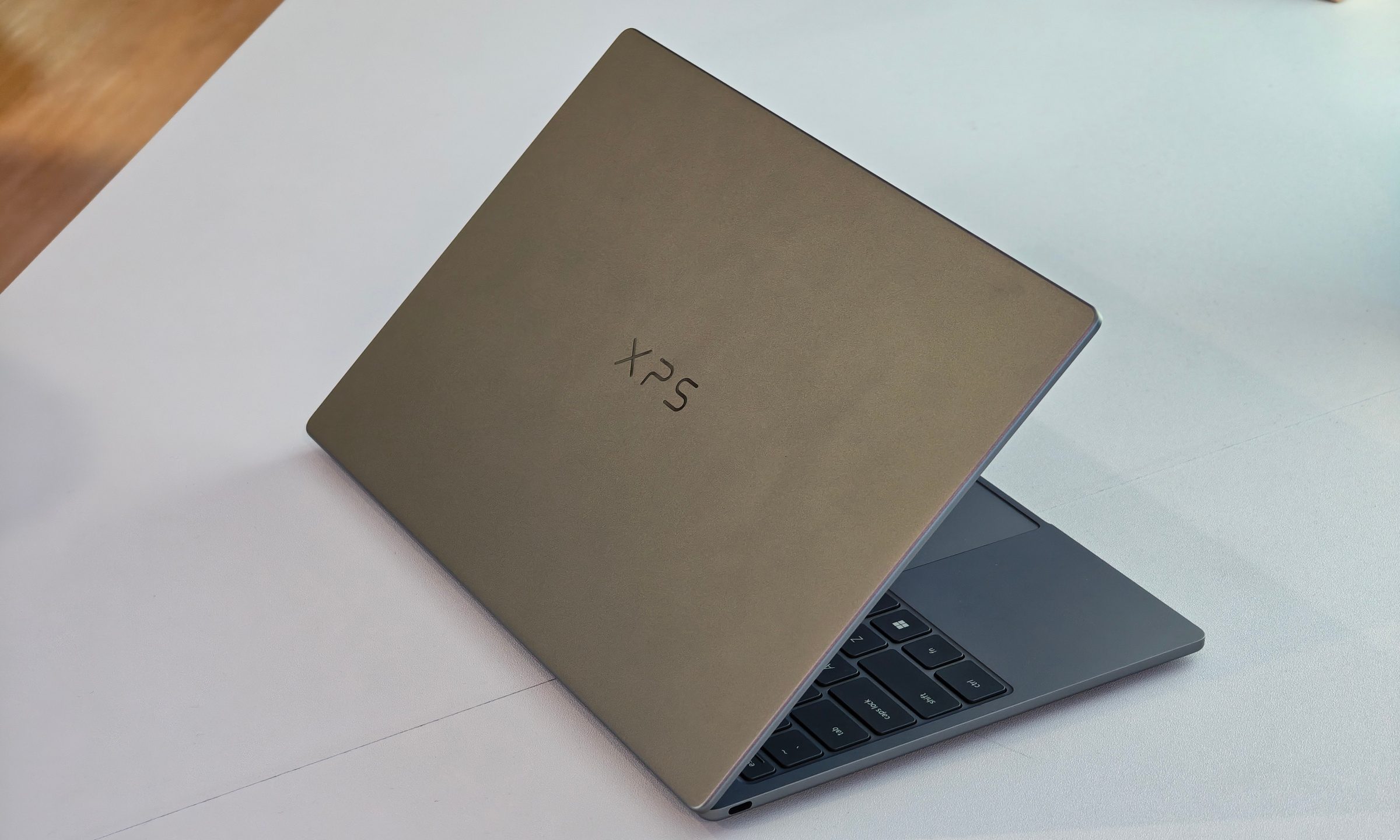
This matters even more right now with the horrendous RAM and component situation. A lot of laptop makers are under pressure to keep prices down while memory costs rise. You can only cut so many corners. A worse screen, basic webcams, and cheaper chassis were already the mark of a typical cheap laptop. So the price hikes were unavoidable. That is what makes the XPS 13 so refreshing.
The new XPS 13 still gets an aluminum chassis, a 2.5K anti-reflective touch display, a backlit keyboard, Windows Hello, quad speakers, faster USB-C, Wi-Fi 7, and a starting weight of just 1kg. Dell aimed this notebook at students, young professionals, and first-time premium laptop buyers who want something that feels nicer than the usual entry-level Windows notebook.
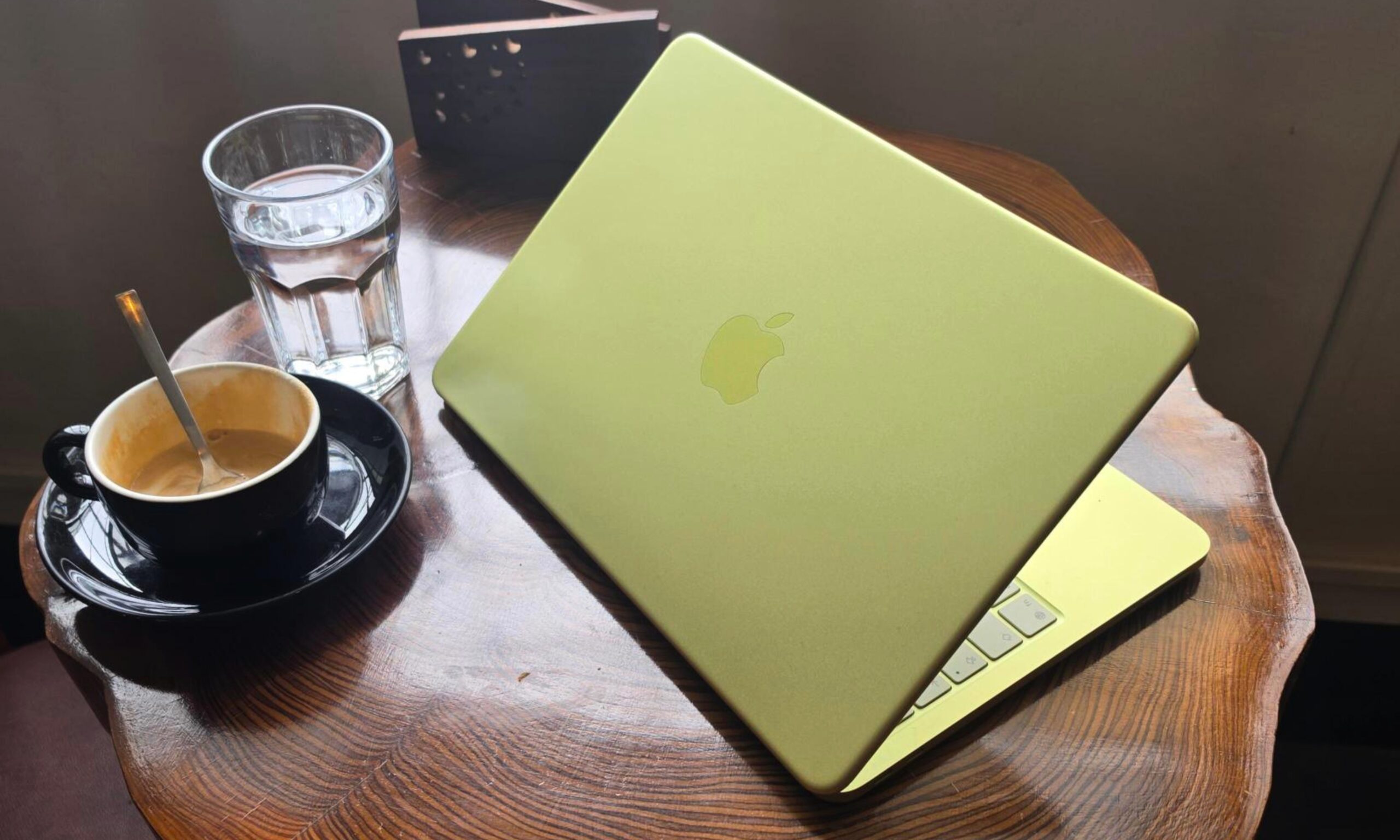
Yes, it’s still a hundred dollars more expensive than the MacBook Neo, but there’s enough to justify this gap. A smoother 120Hz panel, useful backlit keyboard, and biometric login even in the base configuration, which also has double the starting storage capacity. Performance with Intel’s Wildcat chips still needs proper testing, but the rest of the package already makes the XPS 13 look like a serious MacBook Neo rival.
Acer’s Swift Air 14 AI takes a swing too
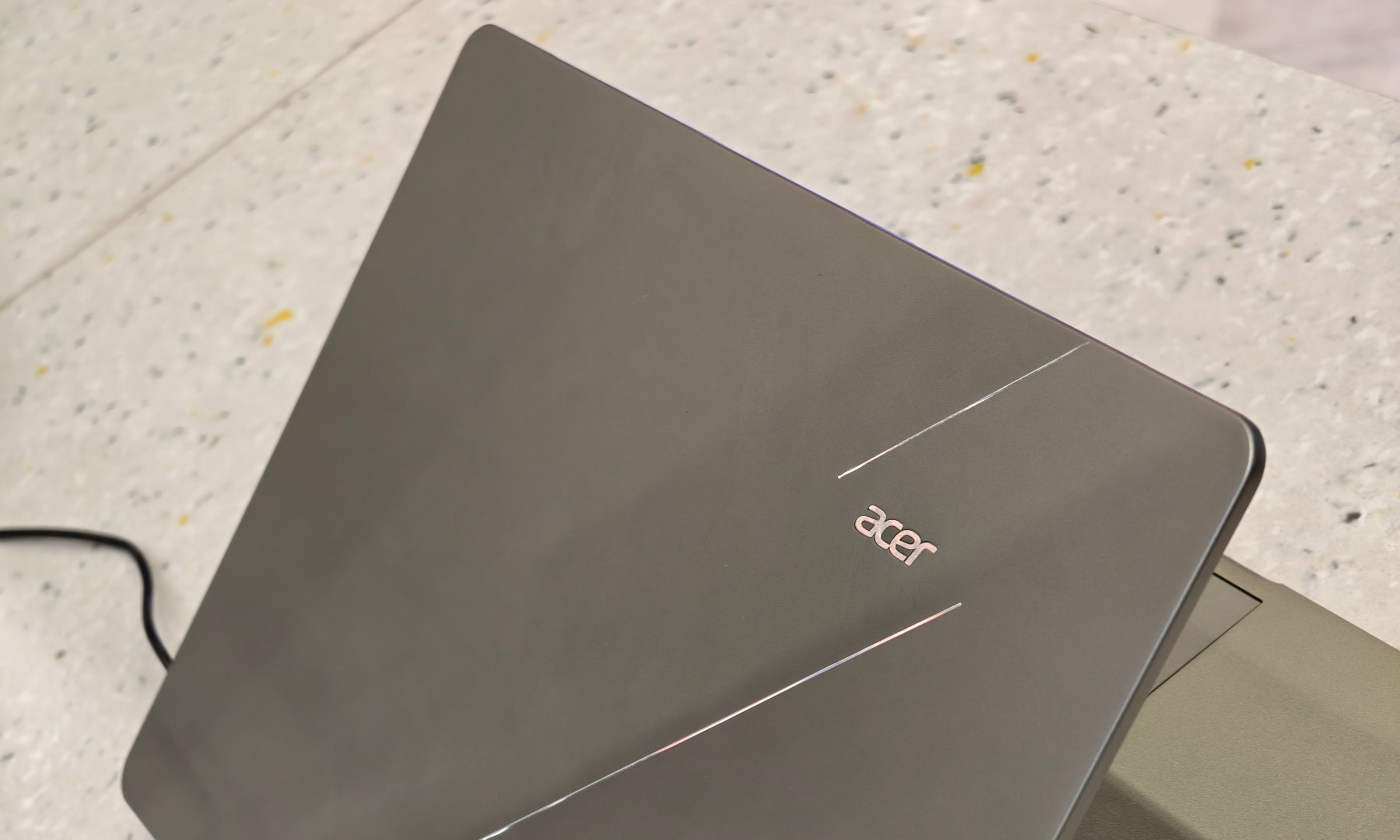
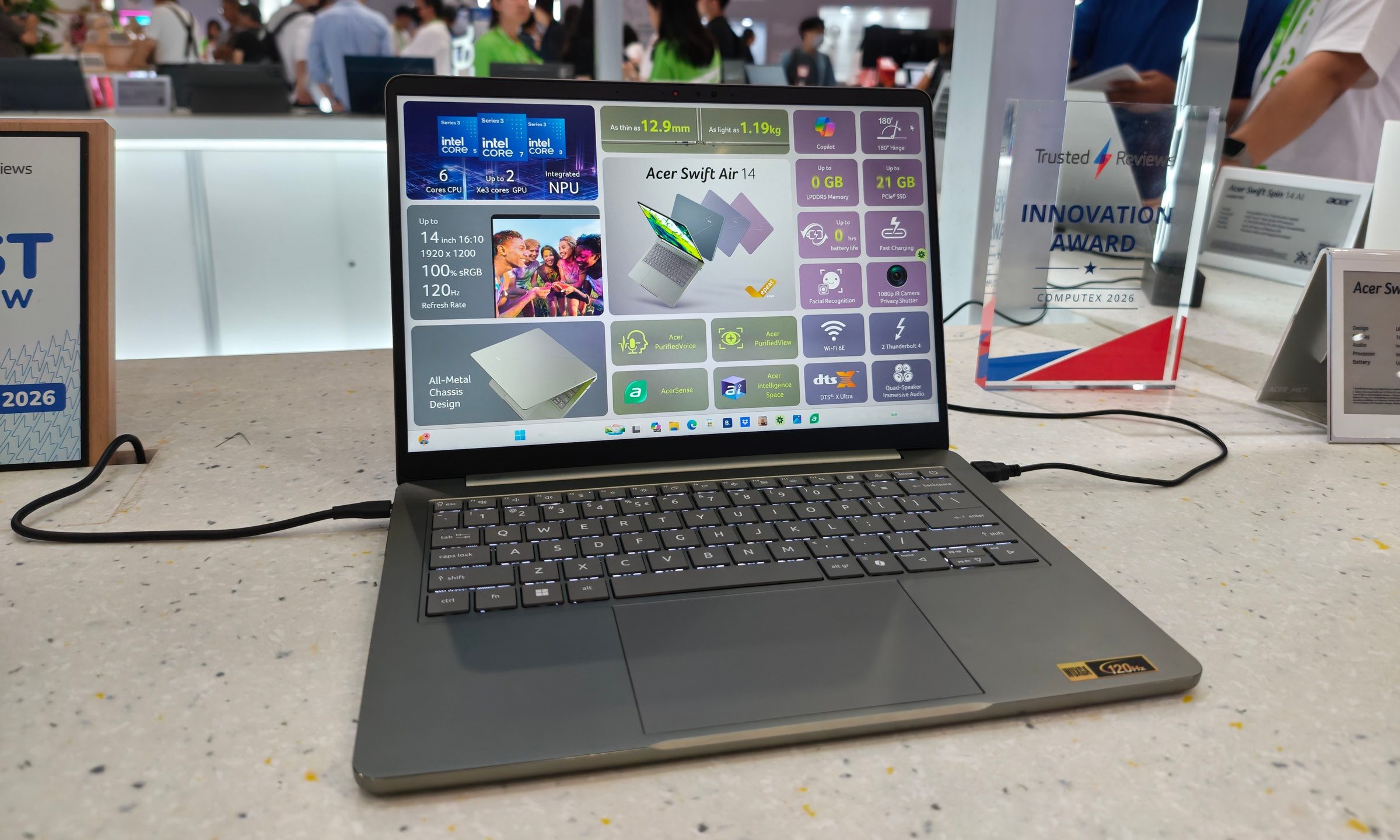
The Dell XPS 13 isn’t the only one fighting back. Another good sign at Computex 2026 was the Acer Swift Air 14 AI. The premium direction returns here as well, with an all-aluminum Windows laptop with Intel Core Series 3 chips, a built-in NPU for AI-enhanced features, a 14-inch 120Hz display, quad speakers, an IR camera with Windows Hello, a privacy shutter, dual Thunderbolt 4 ports, USB-A, and a 70Wh battery.
That is a strong package than the old idea of budget laptops. The MacBook Neo still has obvious strengths. Apple’s display is sharper, macOS has its own ecosystem advantage, and Apple’s battery efficiency remains a major pull. But Acer counters with a larger 14-inch display, a smoother 120Hz refresh rate, more port variety, Windows Hello facial recognition, and a design that does not look like it was built to apologize for its price.
MacBook Neo gave Windows a wake up call
A big reason for the Neo’s success was how well Apple understood its own formula. Offering its premium product at a more accessible price had a massive impact in the laptop market. Suddenly, Windows wasn’t the obvious value choice anymore. Dell and Acer are not trying to beat Apple by making the pricing more affordable. Each brings decent touches that keep them distinct from Apple’s own entry-level model.
Neither laptop magically solves the budget laptop problem. The return of 8GB starting configurations is still something to watch carefully, especially if you plan to keep a laptop for several years. But these machines show that affordability does not have to mean boring hardware anymore. For once, the Windows side looked like it had a real answer to Apple’s budget-premium play.