Up until now, using Google Gemini meant being very specific. If you wanted an image, you’d spell it all out, the mood, the lighting, the tiny details, just to get something close to what you had in mind. That’s still how most AI tools operate. But this is where things start to shift. With the integration of Nano Banana 2 and Google Photos, Gemini feels much more familiar. It leans on your preferences, what you like, what you usually capture, and the kind of visuals you gravitate towards, and uses that context to shape what it creates for you.
So instead of over-explaining every prompt, you’re nudging it in a direction, and it fills in the rest in a way that feels personal. The goal here is simple: spend less time describing and more time seeing your ideas come to life, almost the way you imagined them, without having to say everything out loud.
Reality is no longer imagined
Do you remember those Instagram reels that made you comment just to get a prompt? The slightly annoying kind. Because deep down, they knew if they didn’t hand you the “right” words, your result probably wouldn’t match what you had in mind. That whole process feels a bit outdated now.
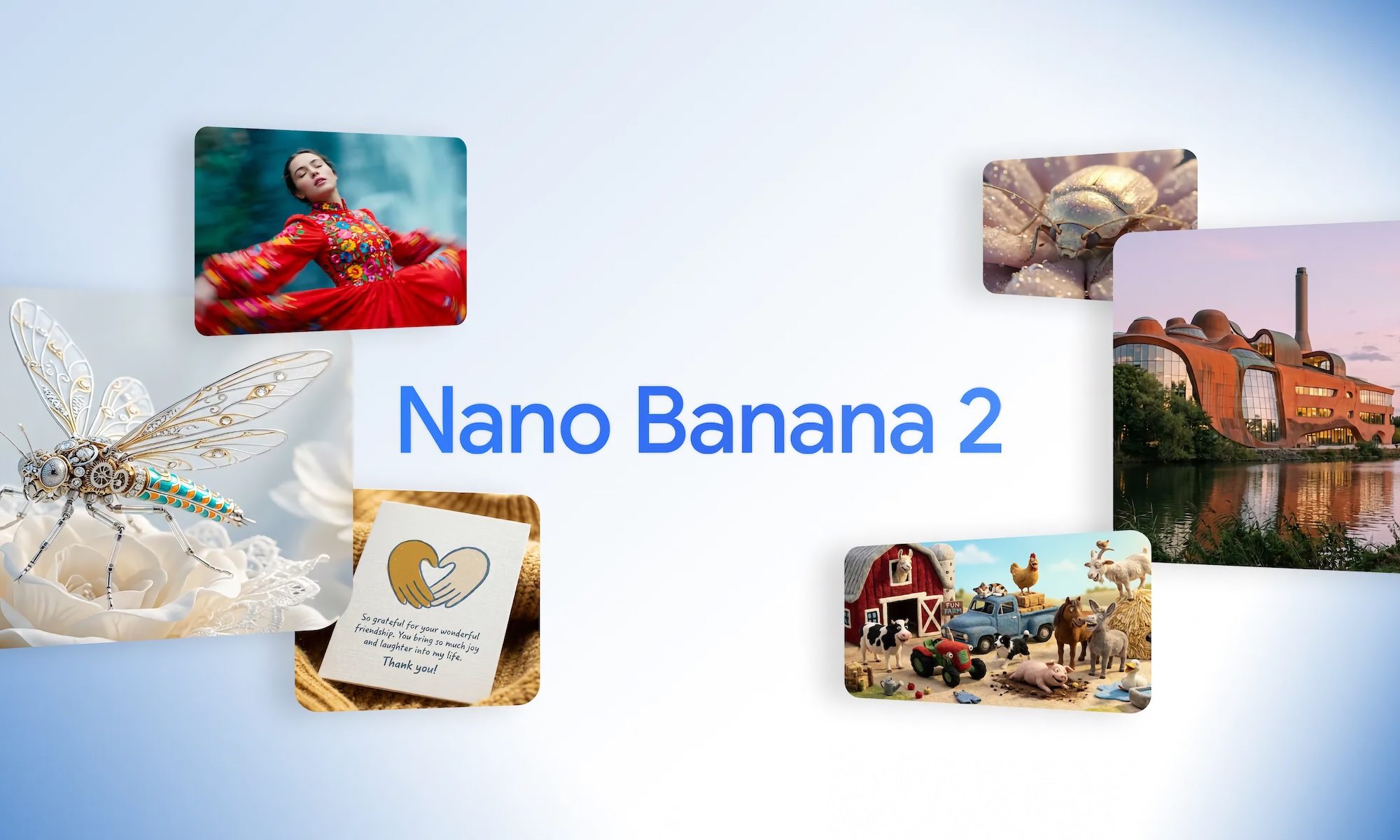
With Nano Banana 2, you don’t really have to chase the perfect prompt anymore or sit there overthinking every word. You just bring your context, and Gemini sort of fills in the gaps on its own. It picks up on what you mean. And the best part is, there’s nothing extra you need to set up. If your Google apps are already connected to Gemini, your context is already there. It’s ready when you are, without you having to piece everything together first.
When your past starts painting your present
So here’s what Google is really nudging you to do: link Google Photos with Gemini. And honestly, it makes sense. For most people, Photos is where life stacks up. Your people, your moments, your personality, all sitting there without you having to explain a thing. Once that connection is in place, Gemini has real context. You can say something like, “Create an oil painting image of me and my dog enjoying our playtime,” and it doesn’t start from scratch. It pulls from what it already knows. Your faces, your moments, the little patterns in your life. The result feels a lot more you than something vaguely personalized.
That said, it’s not perfect on the first go. Google has already pointed out that Gemini might miss the exact photo or detail you had in mind initially. So you nudge it, refine it, tweak it a bit. The usual dance. Also, this isn’t instant magic. There’s a bit of patience involved. Gemini is essentially learning you as it goes, and that kind of understanding doesn’t happen in a snap. But once it starts clicking, the process feels more like shaping a memory into something new.
What I really think about this
Google is very clear about one thing. Privacy, it says, is a top priority. And that sounds really reassuring. So far, most of our digital lives have already been living in the cloud. Emails, documents, app activity, all tied neatly to an ID we use almost everywhere. It’s familiar at this point, almost invisible. But Photos feel different. They’re not just data points. They’re people, places, moments you didn’t stage for an algorithm. And that’s where this shift starts to feel a bit more personal.
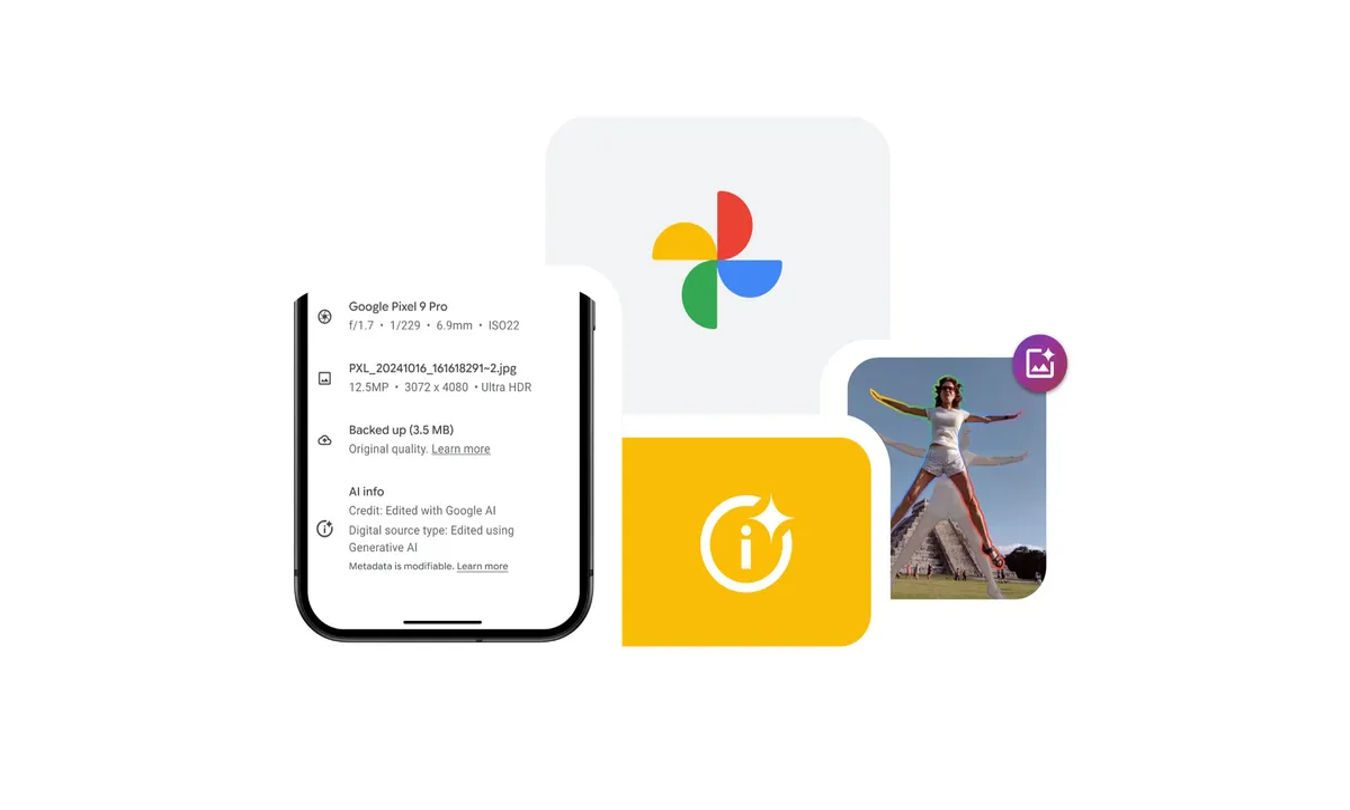
Linking Google Photos to Gemini means giving it access to those moments. Not just to organize them, but to interpret them, learn from them, and use them to create something new. That’s powerful, no doubt. But it also feels like crossing a line that’s been sitting there. Google has tried to address this in its blog posts. It explains how your data is handled, how controls are in place, and how you’re still in charge. And to be fair, those safeguards matter. They do. But trust isn’t just built on explanations. It’s also about comfort. And this is where it becomes less about what’s possible and more about what feels right.
For me, handing over that level of personal context just to get slightly better, more tailored images doesn’t quite balance out. The trade-off feels a bit too steep. I’d rather take the extra minute to describe what I want, even if it’s not perfect, than open up parts of my life that were never meant to be part of that process. Because at the end of the day, convenience is great. But not when it starts asking for pieces of you that you’re not ready to give.