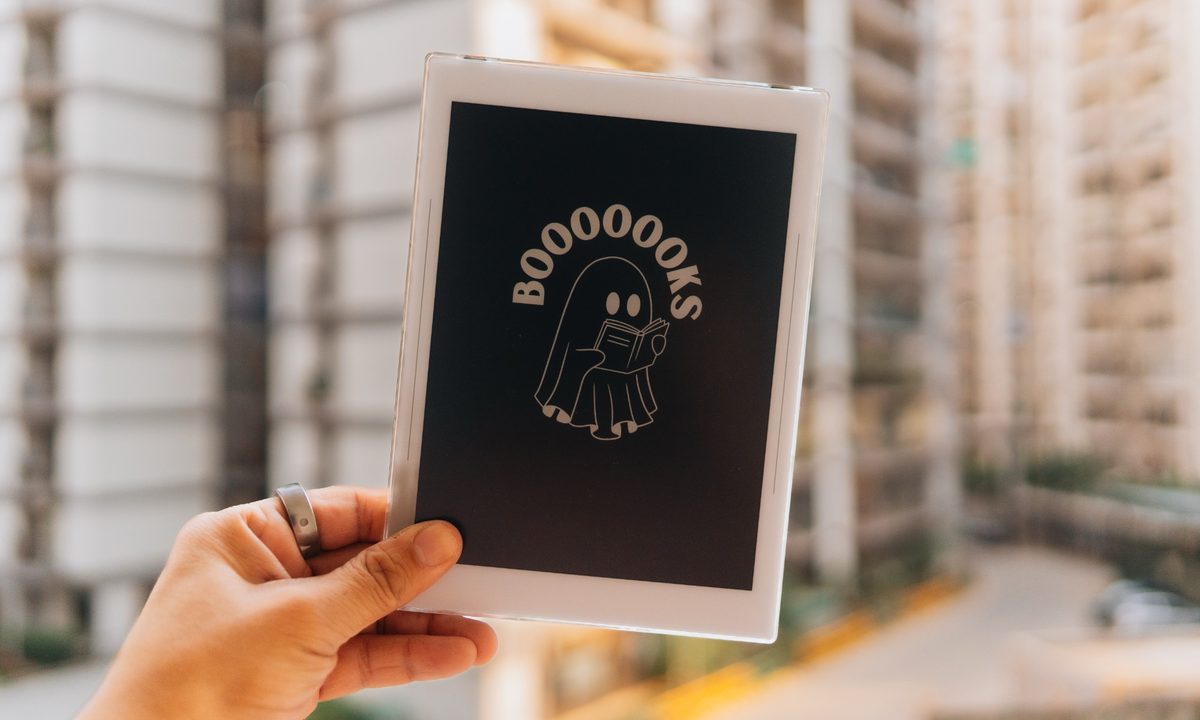
Supernote Nomad has become my favorite purchase of the last year, and believe me, the decision to buy it was not easy. I didn’t realize that the e-ink tablet landscape had become so vast, and all the tablets I looked at had at least a few compromises that were a deal breaker for me.
Finally, after comparing and cutting out at least half a dozen e-ink tablets from my list, I settled on the Supernote Nomad. Yes, it also has some drawbacks, but there were five main reasons I settled on it.
And I am glad that I did, as it’s one of those devices that brings me ample joy when I use it. In this article, I will take you through my reasons for choosing the Supernote Nomad over other e-ink devices, and hopefully, it may help you on your e-ink tablet journey.
Bigger is not always better
When I first purchased an iPad Pro, I went for the larger 13-inch model, as bigger is always better, right? Wrong! As my MacBook Pro is my primary device, I need my companion devices to be small, so they are more travel-friendly.
I found the Supernote Nomad’s size to be the perfect size for an e-ink tablet to use on the go. It’s an A6-size device with a 7.8-inch e-ink display, which is perfect for reading and taking notes.
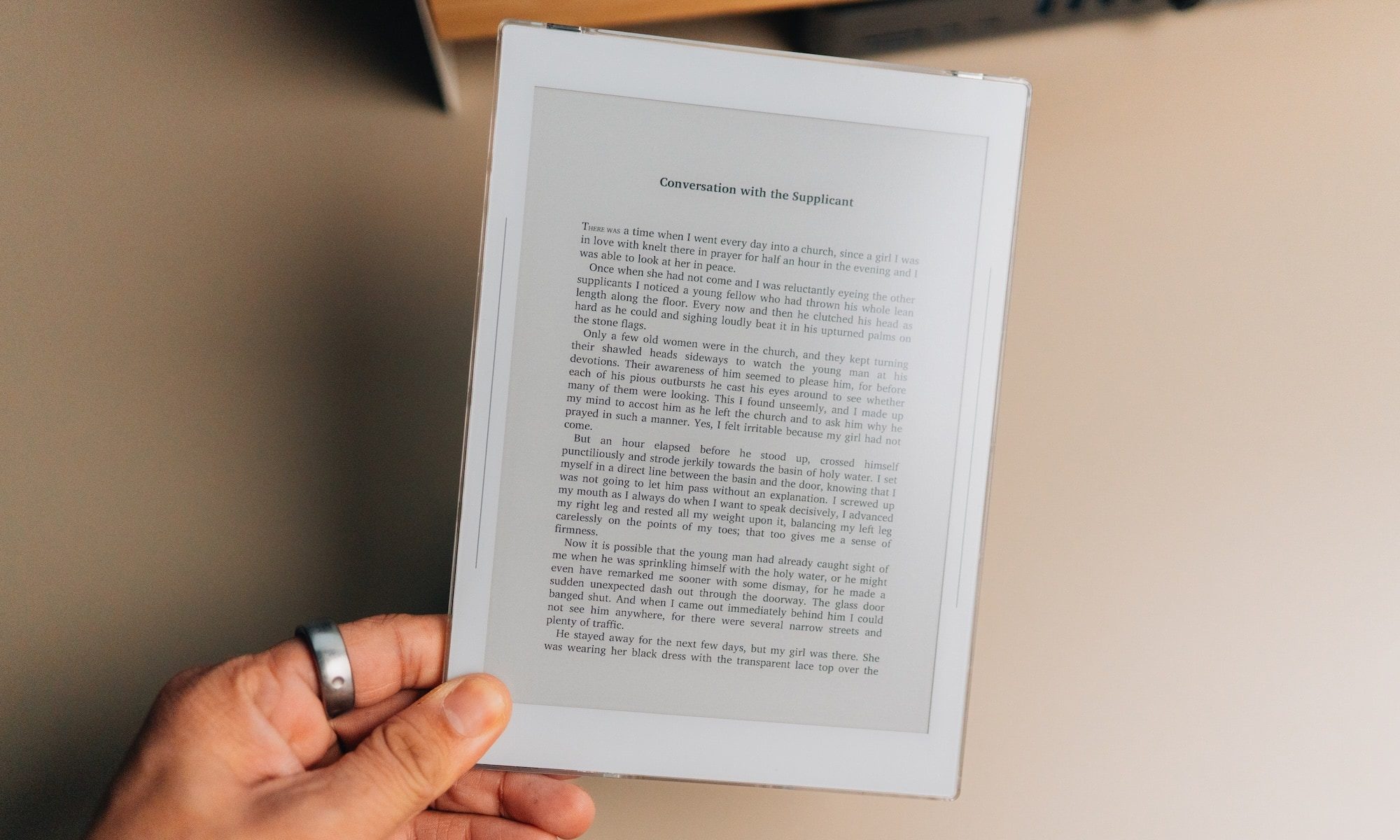
It’s easy to carry in my bag, and I can read for hours without tiring my hands. I also find the size comfortable for taking notes. Yes, some people might prefer a bigger canvas, but for the types of notes I take, the smaller size fits nicely in my workflow.
I also like that the Nomad is symmetrical. Most e-ink tablets either feature a bigger chin or sidebar, and I don’t like the look at all. Yes, the top and bottom margins are bigger than the sides, but at least they are symmetrical, which is pleasing to my eyes.
The software is where Supernote really stands out
One of the reasons I prefer the Nomad is its powerful underlying software. In a notebook, I can create headings to quickly navigate the pages, add stars and keywords to important pages, and even create links to pages in the same notebook or a different notebook entirely.
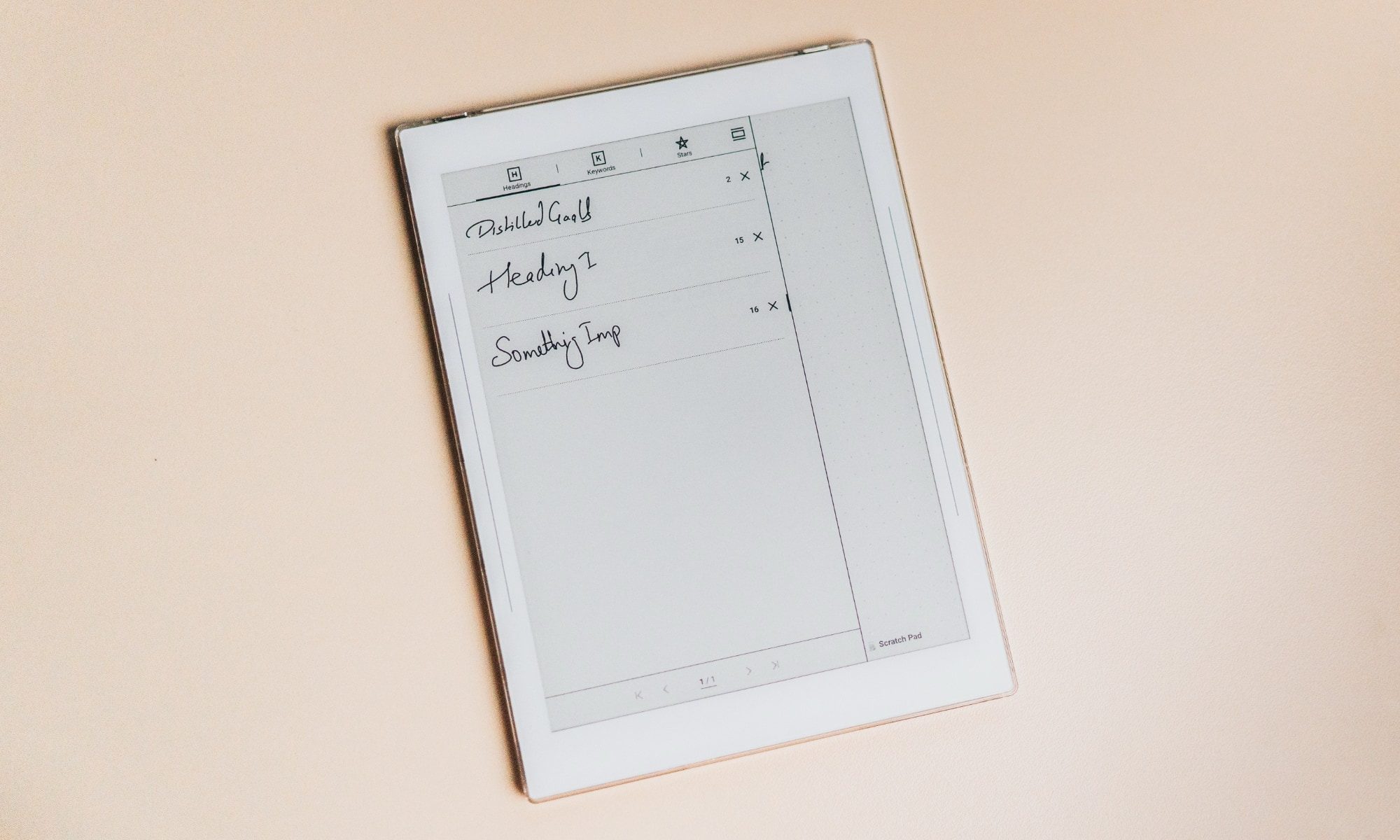
Then there’s the Digest feature that lets me collect quotes from my notes, PDF documents, and books, and insert them anywhere I want. The best part is that digests support a link to the source, so with a tap, I can go back to the original document. This single feature makes note-taking so much easier.
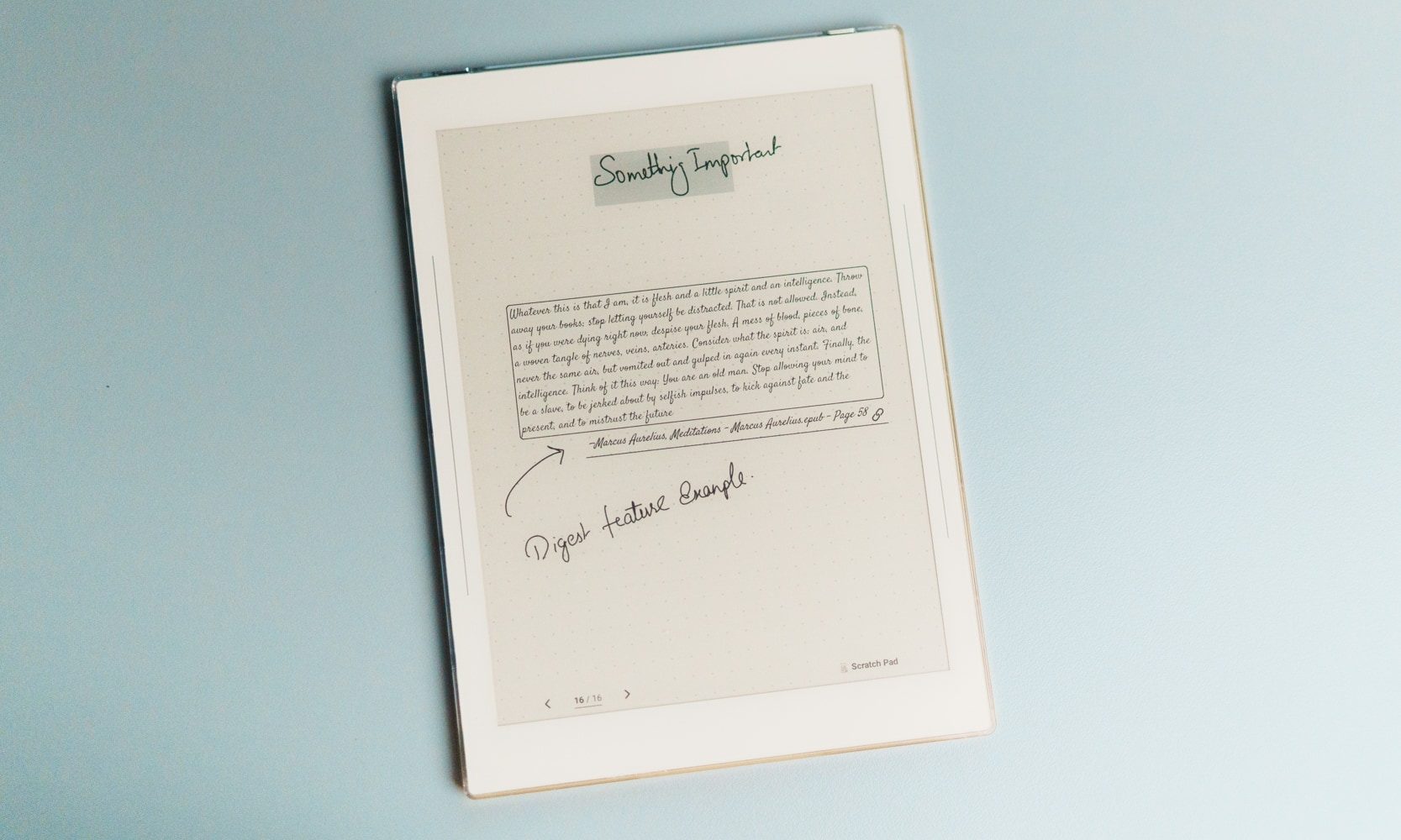
Then there is handwriting recognition that works entirely on the device, a sync feature that keeps my notes updated across all my devices, support for stickers, intuitive gestures, a built-in drawing app, and much more.
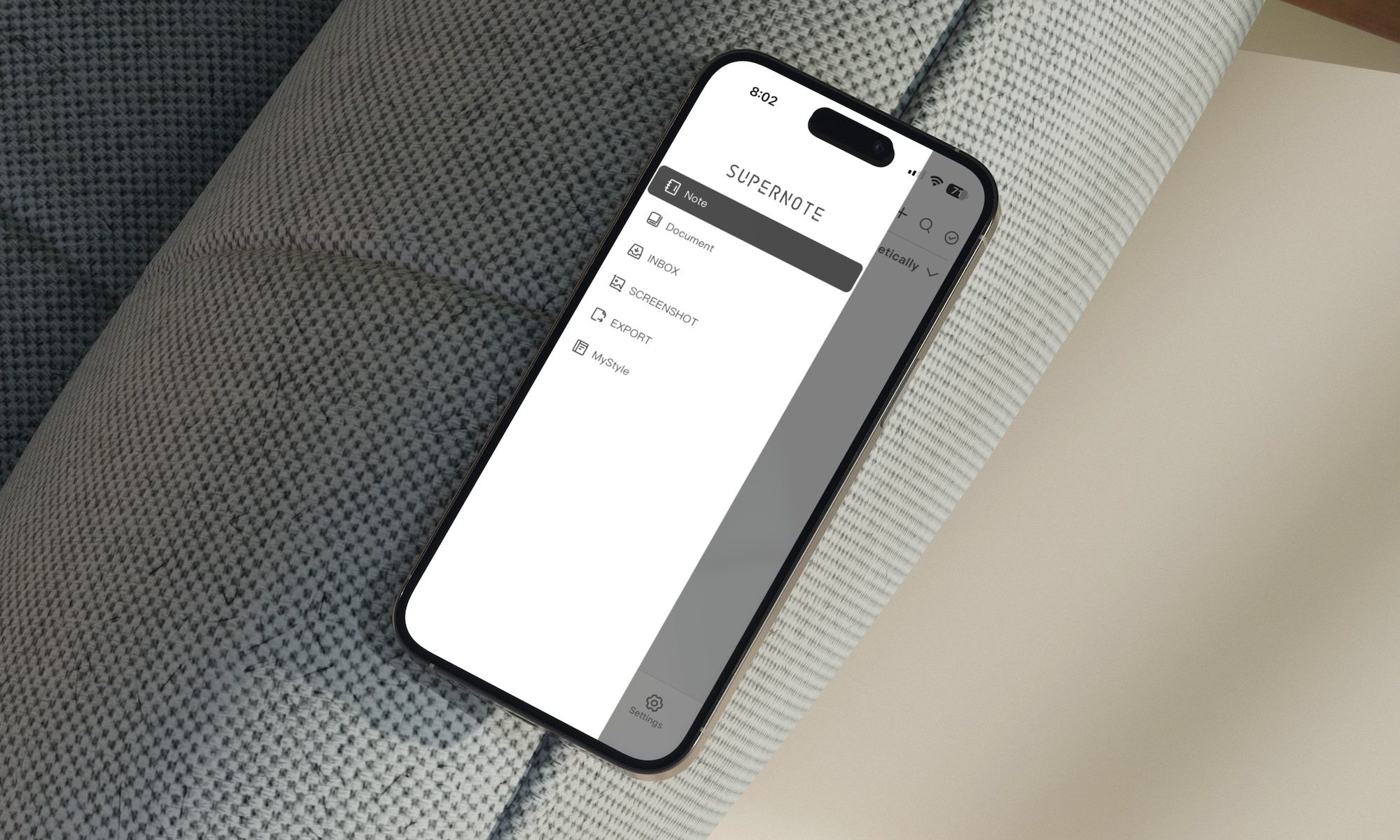
Supernote is also good at releasing software updates and adding new features to the tablet, so its capabilities will only improve with time.
The Screen and pen experience is hard to beat
Supernote’s tagline is “For Those Who Write,” and it delivers on that promise by giving you one of the best writing experiences on any e-Ink device. The screen uses Supernote’s FeelWrite 2 film, which has a rough, paper-like texture that delivers a natural writing feel.
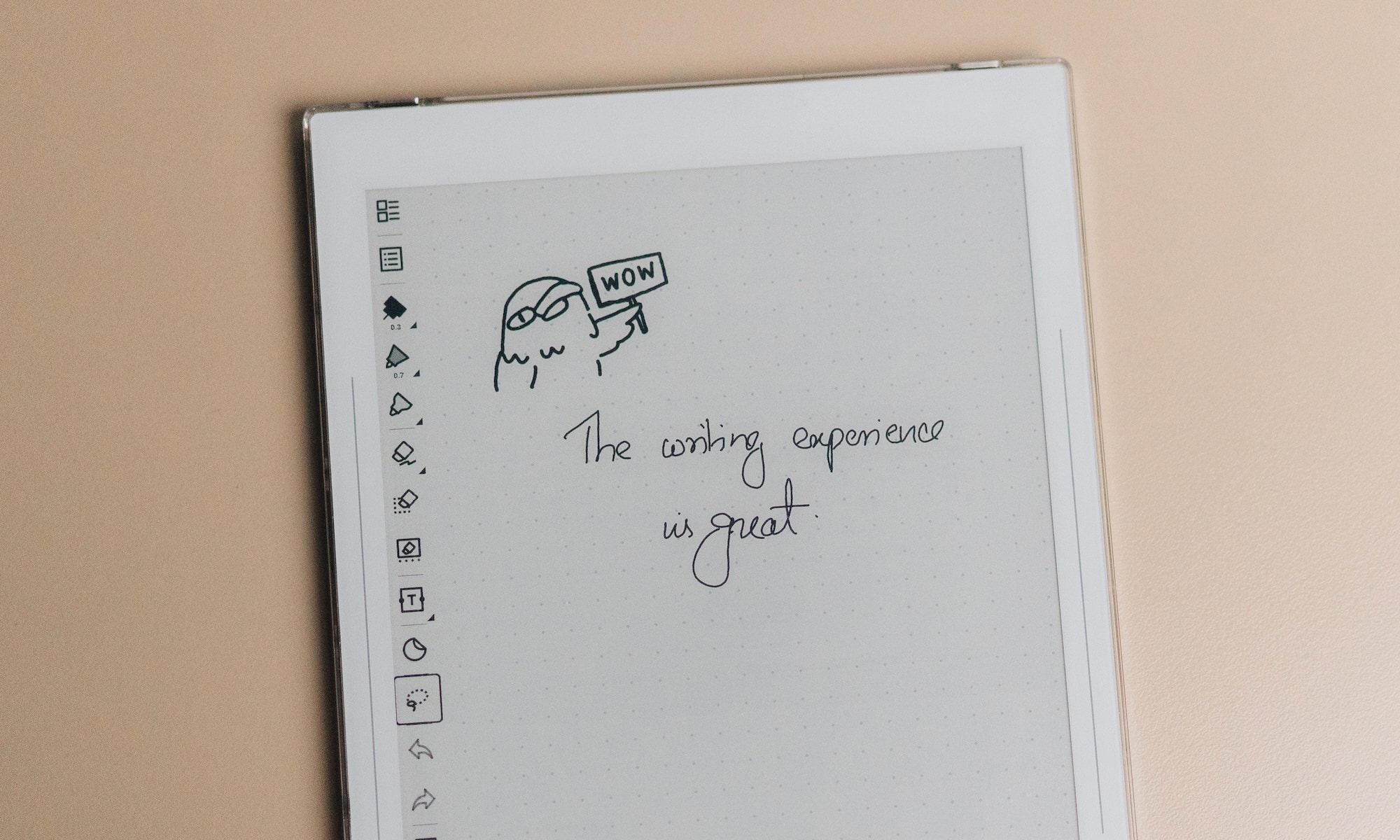
Combine that with Supernote’s ceramic nib pen, and you get an experience that feels like writing on a pad of paper. No device, and I mean no device, has come this close to replicating the pen-on-paper feel than Supernote.
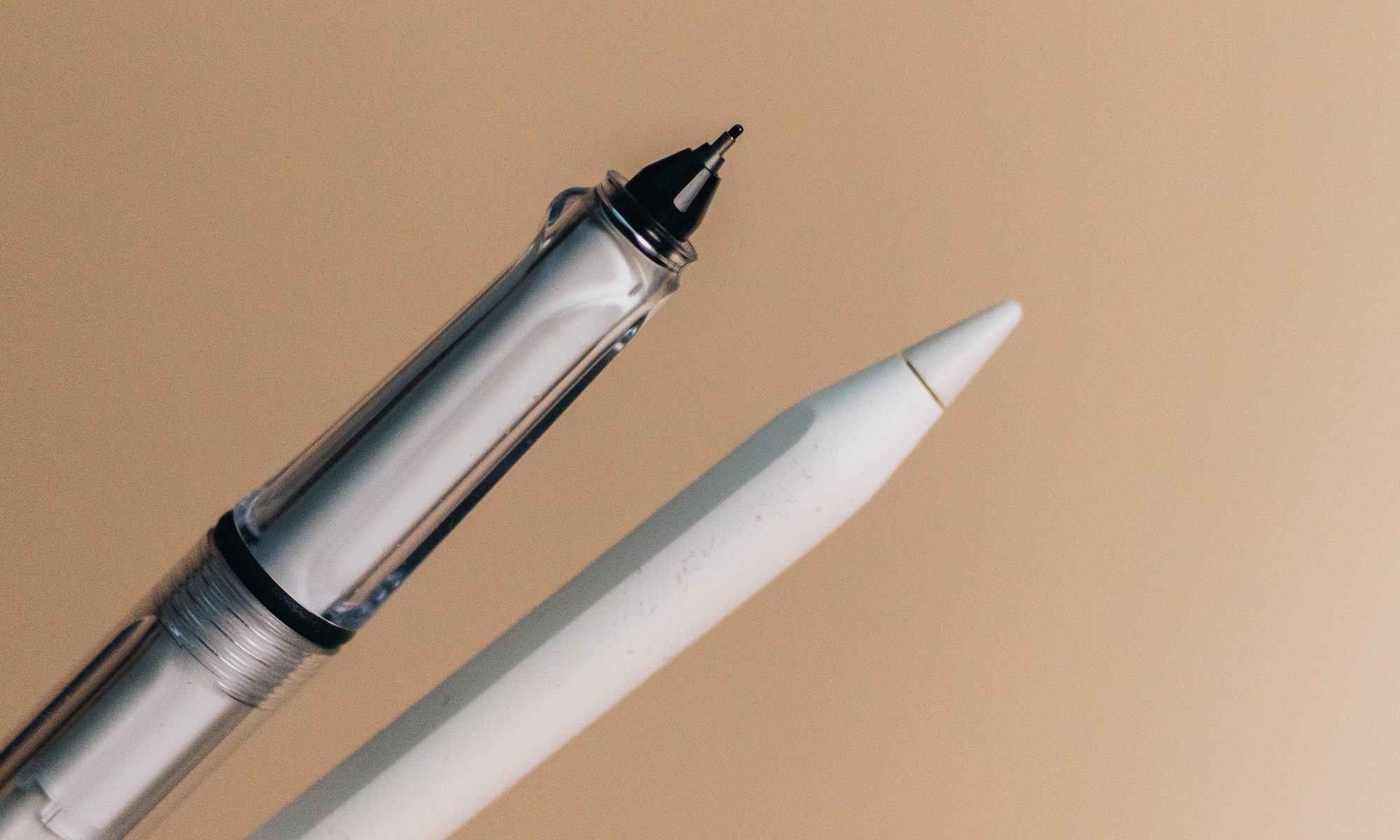
Just by looking the Supernote Pen and Apple Pencil Pro side by side, you can tell that the Supernote Pen feels more like a real pen than a digital stylus. If you want an e-ink tablet for taking handwritten notes, this is the best I have tried.
No subscription fees, and I love it
I don’t know about you, but I am tired of paying for subscriptions for every new device or app I want to use. So, it was a breath of fresh air to find that Supernote doesn’t charge a subscription fee.
You pay for the device, and that’s it. Whether it’s on-device handwriting recognition, new software updates, or cloud sync with the Supernote Partner app, you don’t pay anything. There are no hidden costs in the fine print, and I love it.
Sustainability is not just a marketing gimmick
Supernote also focuses on sustainability and upgradability. You can easily get inside the device to replace the battery and even the motherboard. Hopefully, like Framework laptops, when Supernote comes with a new processor, you won’t need to buy a new device and just replace the motherboard.
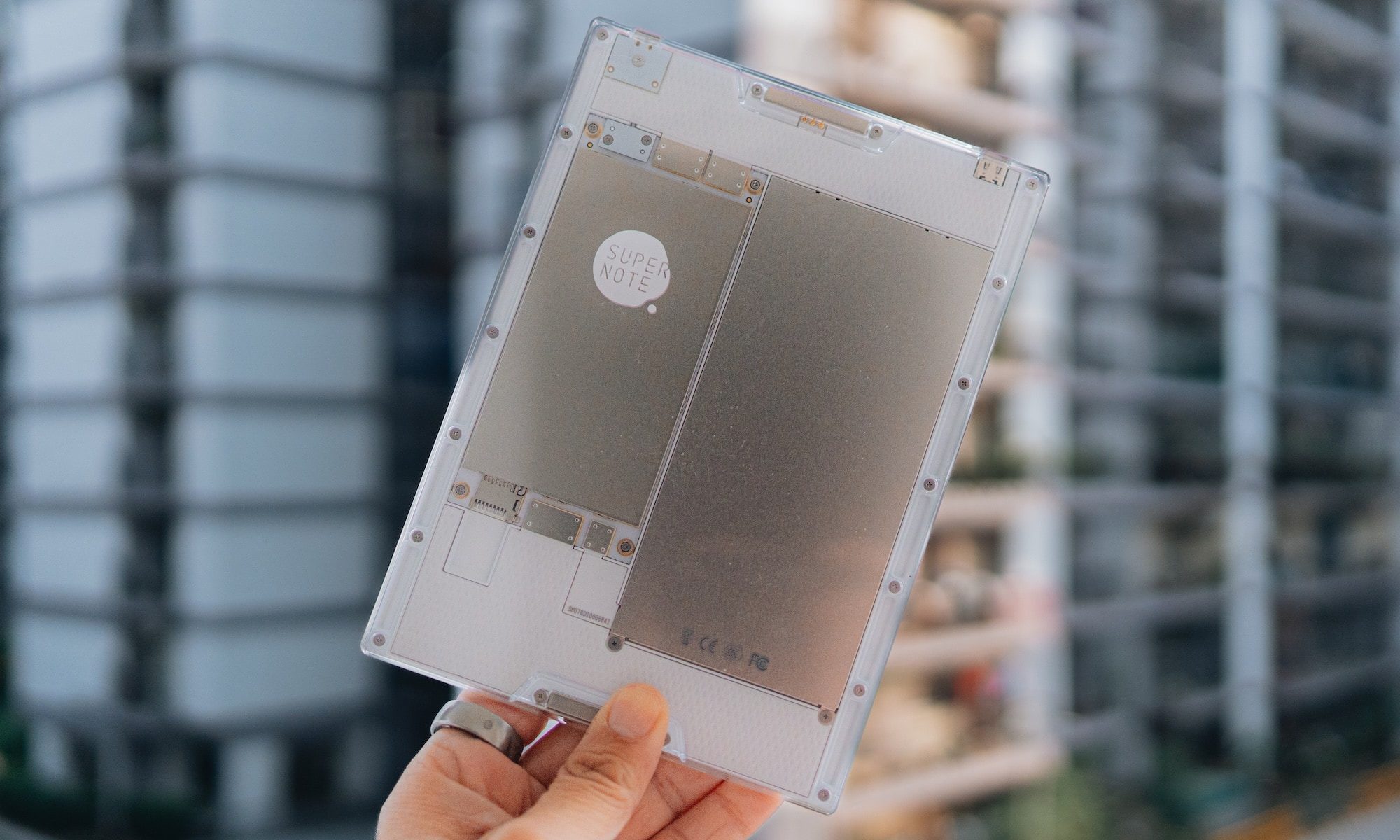
Supernote Nomad even comes with a screwdriver in the box to make it easy for you to open the device. The best part is that all repair parts are available on Supernote’s website, and there are extensive guides to help you repair or upgrade your devices at home.
My experience with Supernote Nomad
It’s been almost six months since I purchased the Supernote Nomad, and it has been a delight to use. It has become my main reading and note-taking device. I love writing on it so much that it has replaced my pen-and-paper journaling system.
Yes, there are some annoyances like with any other device, but my overall experience has been very positive. If you like these features but want a larger device, Supernote also offers the A5-size Supernote Manta, which features a 10.7-inch screen.
I love my Supernote and recommend it to anyone looking for an e-ink tablet.