It’s never easy watching a big swing miss. But this one? This one stings a little differently because Apple had every resource in the world to make it work, and it still couldn’t.
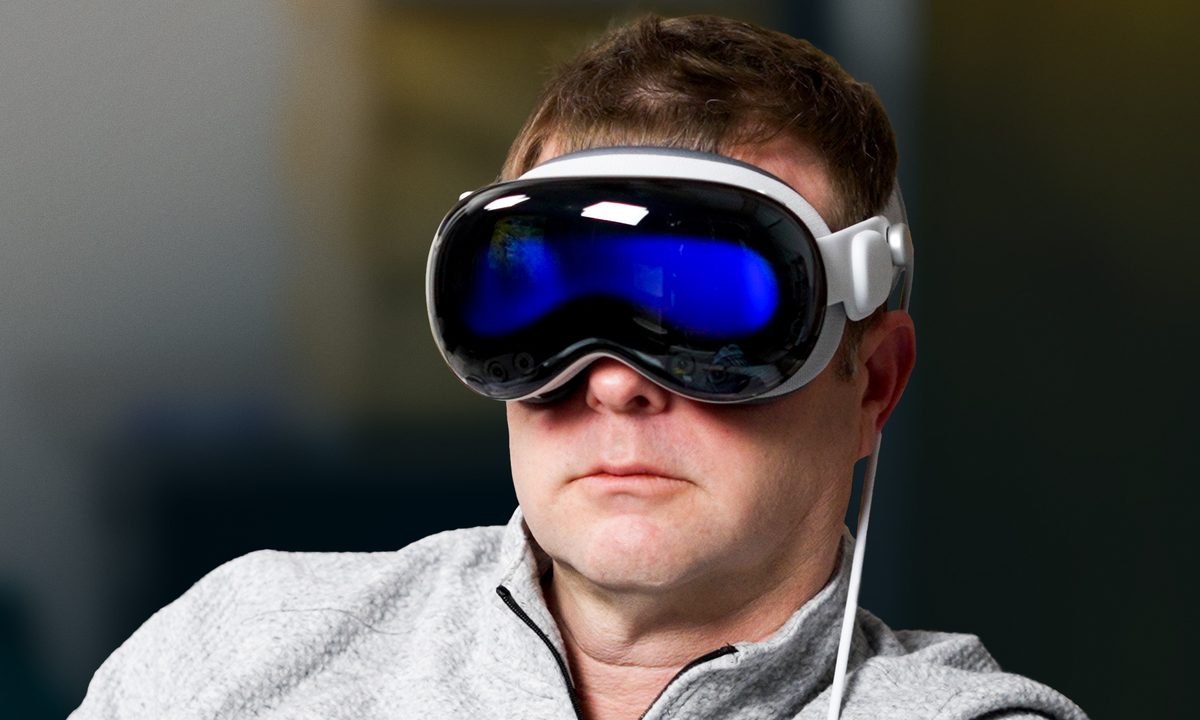
According to MacRumors, Apple has quietly stepped back from the Vision Pro. Not discontinued it — the M5 model is still sitting on shelves at $3,499 — but the internal teams that built and maintained it have been scattered across other projects, and there are currently no plans for a next-generation model. For all practical purposes, the Vision Pro experiment is on ice, possibly permanently.
The M5 update that arrived in late 2025 was supposed to be the device’s second chance. A faster chip, a better band, some meaningful display improvements. Instead, it landed with a thud. Consumers weren’t buying — literally — and return rates were reportedly unlike anything Apple had seen with a modern product. When you factor in that the device sold only around 600,000 units across its entire lifespan, you start to understand just how badly this missed the mark.
The problem was never the chip
Here’s the honest truth that Apple probably knew deep down: no silicon upgrade was ever going to fix what was fundamentally wrong with the Vision Pro. The weight was brutal, the price was alienating, and asking someone to strap a $3,500 computer to their face for extended periods — when it left them with a headache and a sore neck — was never going to become a mainstream habit, no matter how crisp the display was.
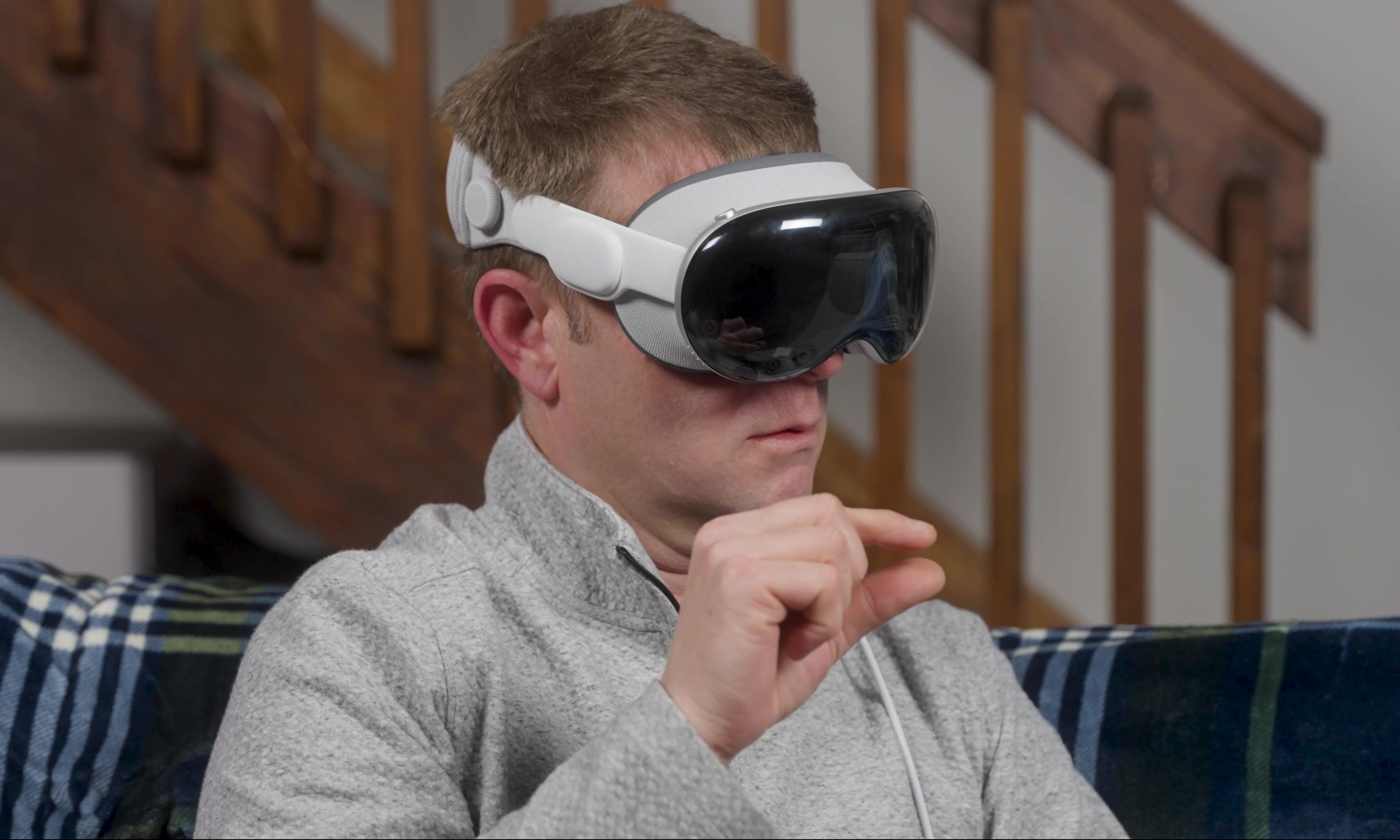
The Vision Air, a lighter, cheaper alternative reportedly under development, could have been the real fix. A fresh start at a friendlier price point, unburdened by the original’s reputation. But that project was shelved last year, too, leaving Apple with no clear path forward in the VR space. Even former Vision Pro chief Mike Rockwell has moved on — he’s now leading Apple’s Siri team, which tells you everything you need to know about where Apple’s internal priorities currently sit.
Where Apple is placing its bets instead
Rather than doubling down on full spatial computing, Apple is channeling its energy into smart glasses — a much more wearable, much more socially acceptable form factor. The first version reportedly won’t even have an integrated display, which is a significant step back in ambition but a very sensible step forward in practicality.

Interestingly, the Vision Pro’s underlying technology can’t simply be transplanted into glasses — it draws far too much power for a device that small and light. So Apple is essentially starting over in a new category, leaving the Vision Pro’s $3,499 legacy as a very expensive lesson in the gap between what’s technically impressive and what people actually want to wear on their face.
Could the Vision Pro name return someday? Maybe, if Apple cracks a form factor that doesn’t feel like a punishment. But right now, the headset that was supposed to define spatial computing is heading toward a quiet, unceremonious footnote in Apple’s history.