  1. Home
  2. Space
  3. News

Scientists have found a hidden galaxy inside the Milky Way, and they’re calling it Loki

A lost dwarf galaxy may be hiding inside the Milky Way.

Add as a preferred source on Google
milky-way-hidden-galaxy-loki
NASA/JPL-Caltech

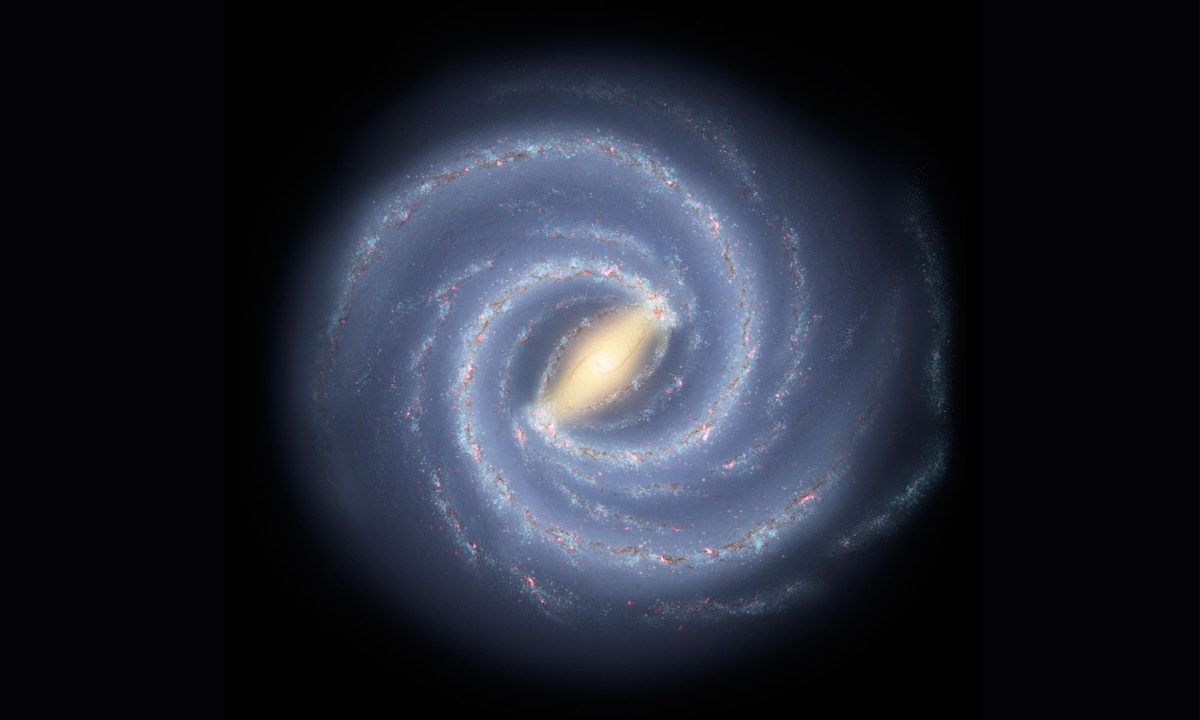
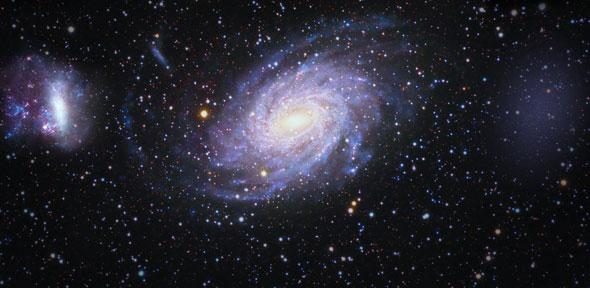
Our home galaxy has a secret buried inside. A new study published in the Monthly Notices of the Royal Astronomical Society suggests that the Milky Way swallowed an ancient dwarf galaxy billions of years ago, and its stellar remains are still embedded within ours.

Researchers have named this lost galaxy Loki, after the Norse trickster god, and the name is quite fitting because it remained hidden in plain sight for a very long time.

How did astronomers find Loki?
The discovery came down to star chemistry. The first stars that formed after the Big Bang were made almost entirely of hydrogen and helium.

Recommended Videos

Over billions of years, later generations of stars fused those elements into heavier ones. Stars with very little of those heavier elements are therefore considered ancient, and astronomers call them metal-poor.

Researchers studied a group of 20 metal-poor stars sitting inside the Milky Way’s galactic disk, which is the flat, spinning region where most of our galaxy’s stars live. That’s what made them stand out. Metal-poor stars typically turn up in the galaxy’s outer halo, not the disk. Their presence suggests that they came from somewhere else entirely.

The chemical evidence backed that up. The team found chemical traces of supernovas and neutron star mergers, but no evidence of white dwarf explosions. White dwarfs take billions of years to form, so their absence suggests Loki burned out long before it could produce them.

The orbits of Loki’s stars reveal a secret about our galaxy’s past
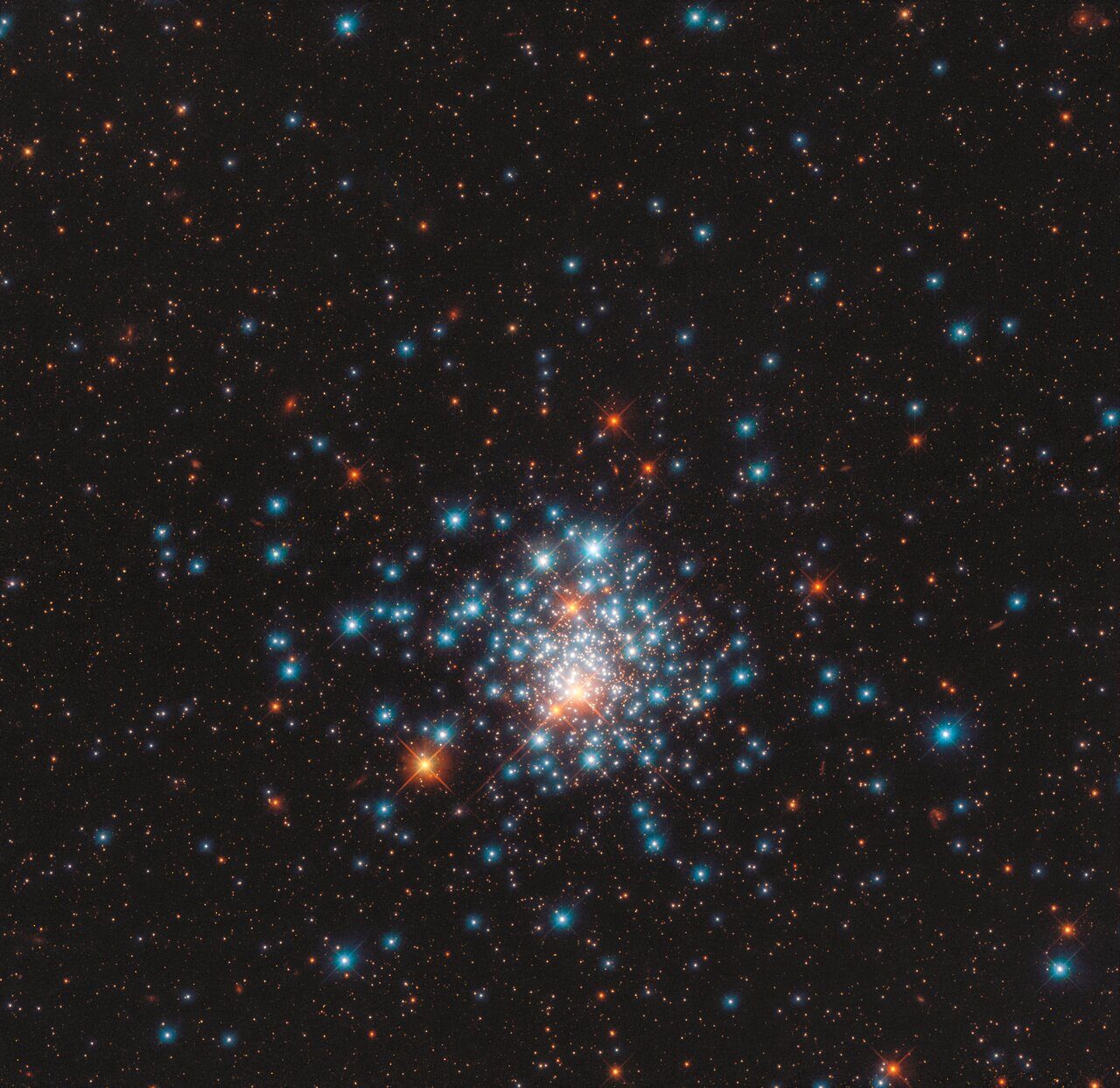
Here’s where it gets stranger. Of the 20 stars, 11 travel in the same direction as the Milky Way, and nine go in the opposite direction. This suggests an extremely early merger, back when our galaxy’s own orbits were still chaotic and unsettled. Researchers believe all 20 stars came from one system, not two.

In fact, Loki isn’t the only galaxy the Milky Way consumed. A separate 2020 study identified an ancient galaxy called Kraken that merged with our galaxy around 11 billion years ago. The Milky Way, it turns out, has always had a big appetite.

Manisha Priyadarshini
Manisha is a Writer at Digital Trends, covering the latest in tech, science, AI, gaming, and entertainment. As a Computer…
NASA aims September launch for Roman space telescope and it’s going to be a huge shift
An earlier target for Roman means one of NASA’s most ambitious observatories is getting close, with the potential to open a huge new era in space discovery
Machine, Wheel, Astronomy

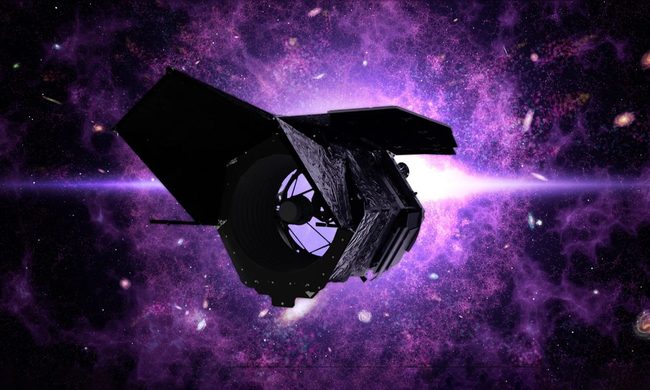
NASA is now aiming to launch the Nancy Grace Roman Space Telescope as soon as early September 2026, a faster timeline than its earlier commitment to fly no later than May 2027. That alone makes this one of the agency’s most important missions to watch over the next few months.

The reason is simple, Roman is built to scan vast parts of the sky with sharp infrared vision.

Read more
Blue Origin successfully re-uses a New Glenn rocket for the first time ever
Blue Origin achieves first New Glenn reflight despite payload setback
Blue Origin

Blue Origin has achieved a major milestone in its spaceflight ambitions by successfully reusing a booster from its heavy-lift New Glenn rocket for the first time. The historic launch, conducted on April 19, marks a significant step forward for Jeff Bezos’ space company as it seeks to compete with rivals like SpaceX in the rapidly evolving commercial launch market.

A Milestone With A Mixed Outcome

Read more
Stunning close-up footage shows NASA’s moon rocket roaring to space
On its first crewed flight, NASA's lunar rocket displays its awesome power.
NASA's SLS rocket roars skyward at the start of the Artemis II mission on April 1, 2026.

As NASA’s Artemis II astronauts journey back to Earth following their breathtaking close encounter with the moon earlier this week, the space agency has just shared some stunning footage (below) of the rocket launch that sent the crew on its way on April 1.

The close-up tracking shot shows the awesome power of the Space Launch System (SLS) rocket’s four core RS-25 engines together and its two solid rocket boosters as the 98-meter-tall vehicle roars away from the launchpad at the Kennedy Space Center in Florida.

Read more