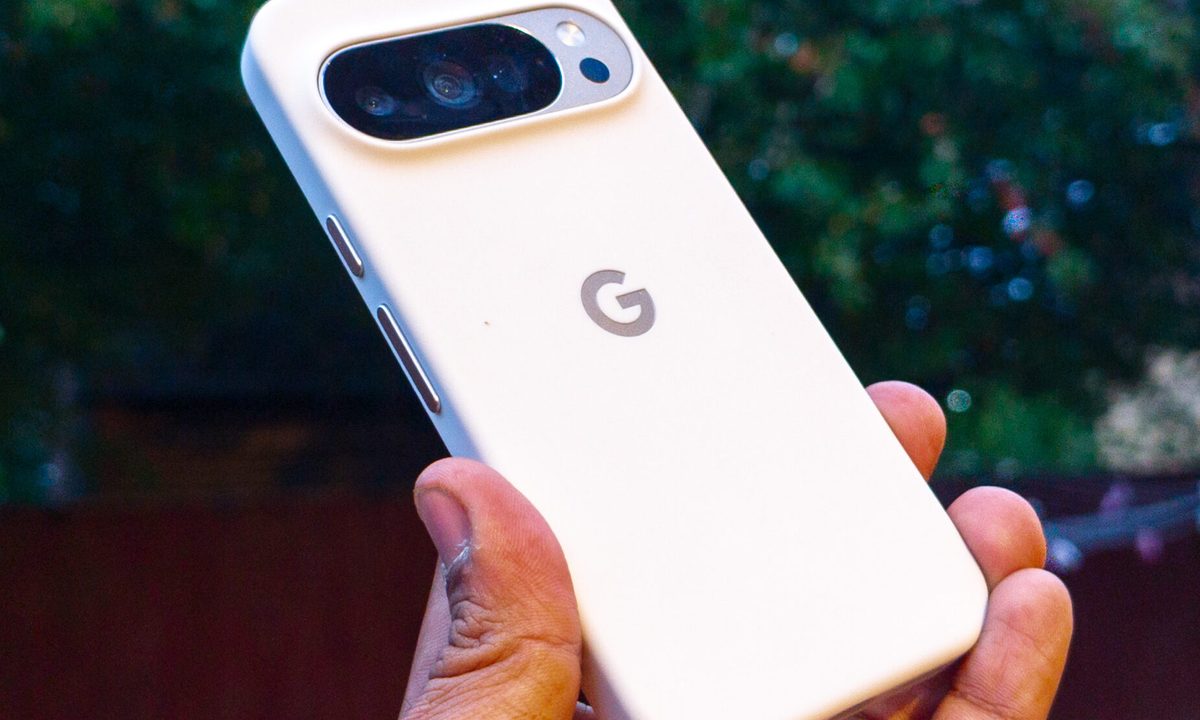
Google’s long-running face unlock comeback story may have hit another wall. A recent Pixel 11 series leak claims that Project Toscana, Google’s rumored infrared face unlock system, likely will not debut on the Pixel 11 lineup because it is still not ready for release.
The feature was expected to give future Pixel phones a stronger rival to Apple’s Face ID. Earlier reports said Project Toscana was tested on both Pixel phones and Chromebooks, with Face ID-like speed and better low-light performance. The latest leak suggests Pixel users may have to wait beyond the 2026 lineup for that upgrade.
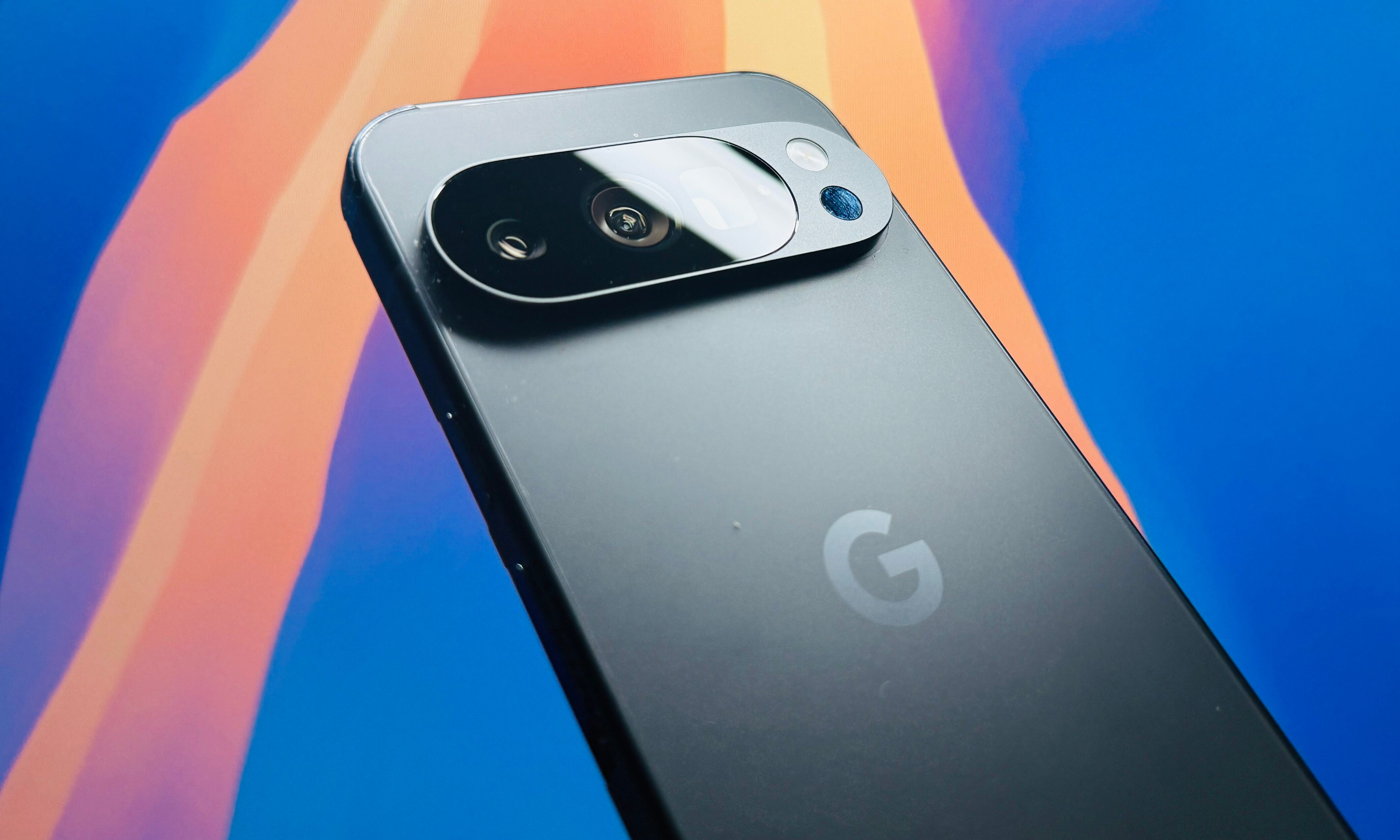
Is Google delaying its Face ID rival again?
Based on the latest Pixel 11 leak, yes. Project Toscana is now said to be unlikely for the Pixel 11 series, even though Google was reportedly testing the system for months.
The system was described as an iPhone-like face unlock setup using hybrid near-infrared sensors and possible under-display infrared hardware. It was meant to improve speed, security, and low-light unlocking, areas where Apple’s Face ID still has an advantage.
Google has already tried a serious face unlock system on Pixel phones. The Pixel 4 series used dedicated hardware, including Soli radar, to sense when a user was reaching for the phone and prepare face authentication before the screen was fully active. Google said the system worked in almost any orientation and could be used for secure payments and app sign-ins.
The feature quickly ran into trouble. Soon after launch, users found that the Pixel 4 could unlock even when a person’s eyes were closed, raising security concerns. Google later issued an update that added an “eyes open” requirement, but the company moved away from dedicated 3D face unlock hardware after the Pixel 4 generation.
Why does this sting for Pixel fans?
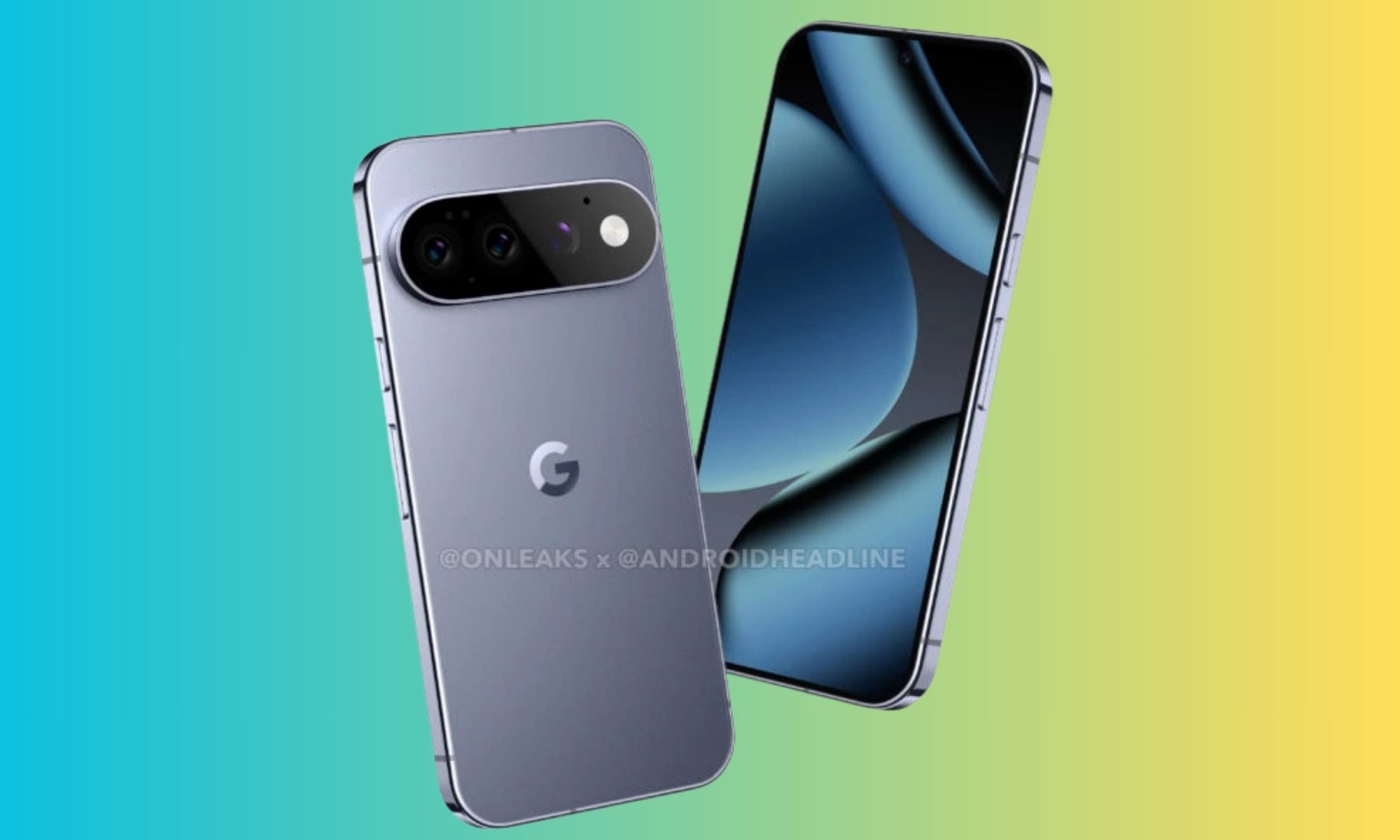
Newer Pixel phones brought face unlock back in a more limited form. Project Toscana looked like Google’s chance to close that gap and bring a hardware-backed face unlock system to future Pixels.
The same Pixel 11 leak still points to several hardware changes. The lineup is expected to use the Tensor G6 chip, new cameras, brighter OLED displays, a MediaTek M90 modem, and an RGB LED array in the camera bar on Pro models. The leak also claims the thermometer may be removed from the Pixel 11 Pro, Pixel 11 Pro XL, and Pixel 11 Pro Fold.
The delay is disappointing, but a rushed launch would be worse. Face unlock is not just a convenience feature when it is tied to payments, banking apps, and device security. If Project Toscana needs more time, the next Pixel generation is a better landing place than a half-ready rollout. For privacy and security, it should arrive only when it works correctly and feels bulletproof.