  1. Home
  2. Wearables
  3. Audio / Video
  4. News

Google and Xreal’s Project Aura smart glasses will ship later this year

Xreal Project Aura smart glasses come with built-in display units and run Android apps.

Add as a preferred source on Google
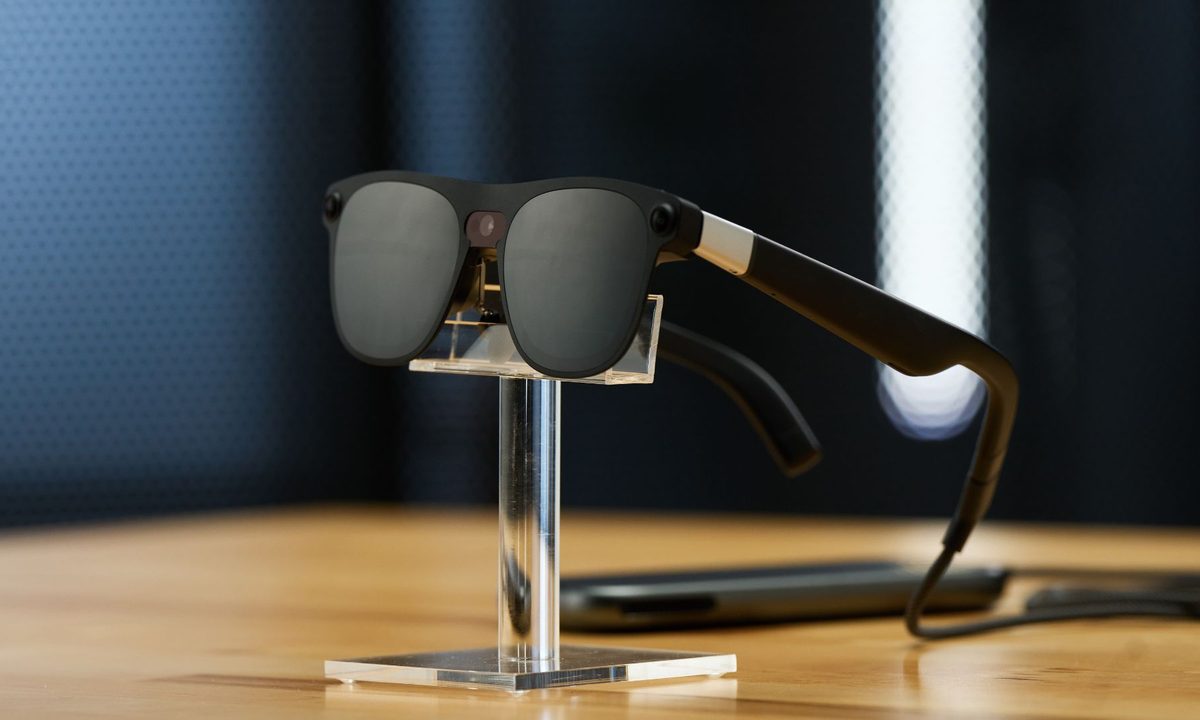
Front view of Xreal Project Aura smart glasses.
Google
Sundar Pichai stands in front of a Google logo at Google I/O 2021.
This story is part of our complete Google I/O coverage
Updated less than 49 minutes ago

Google is working on a whole bunch of smart glasses. The first one running on the Android XR platform developed by Samsung is expected to arrive close to July. The slate, it seems, will get crowded pretty soon. Earlier today at the I/O 2026 Developers Conference, Google also showed off a new class of audio glasses that have been designed in partnership with Warby Parker and Gentle Monster.

But the most interesting of the bunch is the Xreal Project Aura smart glasses, which support full hand gesture support as well as mixed reality view for Android apps available through the Play Store. These smart glasses were first showcased in December 2025, but Xreal confirmed earlier today that the Project Aura smart glasses will hit the shelves in 2026. 
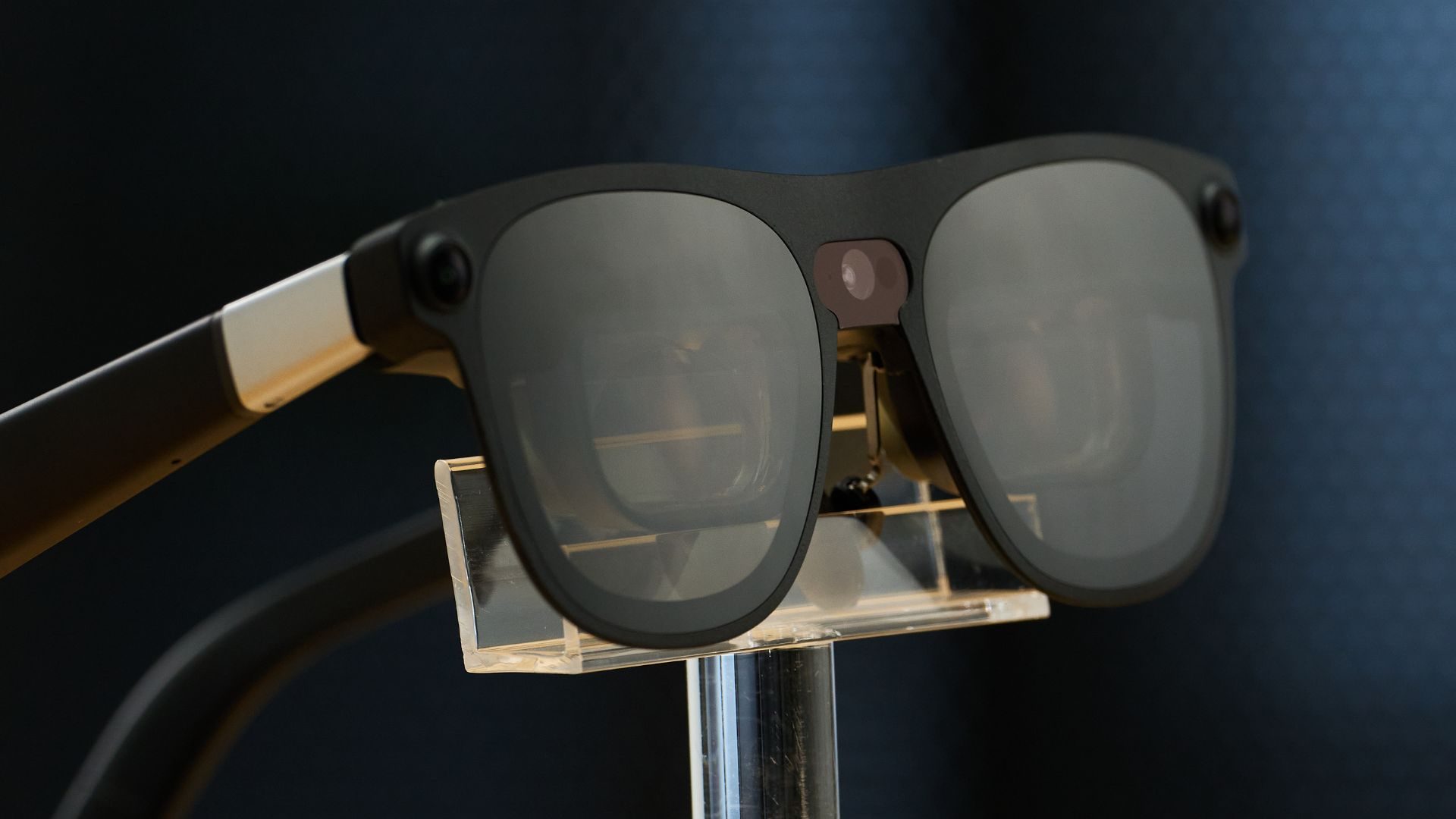
The Project AURA smart glasses by Xreal come equipped with a built-in display that offers a 70° field of view, which the company claims is the largest FOV that has ever been offered on a pair of AR glasses. Thanks to the built-in display, you can overlay digital content in your sight while still having a clear view of the world around you. The company notes that you can run multiple app windows and get the full Android app experience without any hacks.

This is the full-blown Android experience that we are talking about. So far, the Xreal smart glasses that have been available to customers have run a custom version of Xreal’s in-house software that is launched through an app. The only way you could access Android on the Xreal smart glasses is by mirroring them through your phone or by connecting them to a PC in order to run Windows or macOS.

Recommended Videos

They have supported multi-windows, offering a massive digital canvas for you to run different apps side by side. These virtual windows can be accessed either affixed in the air, or by making them track your head movements. With the Project Aura, Xreal is getting rid of the software limitations by making these smart glasses run the native Android XR experience, with plenty of Gemini experiences in tow. So far, the demo videos released by the company have shown these glasses connecting to a smartphone-shaped puck through a cable.
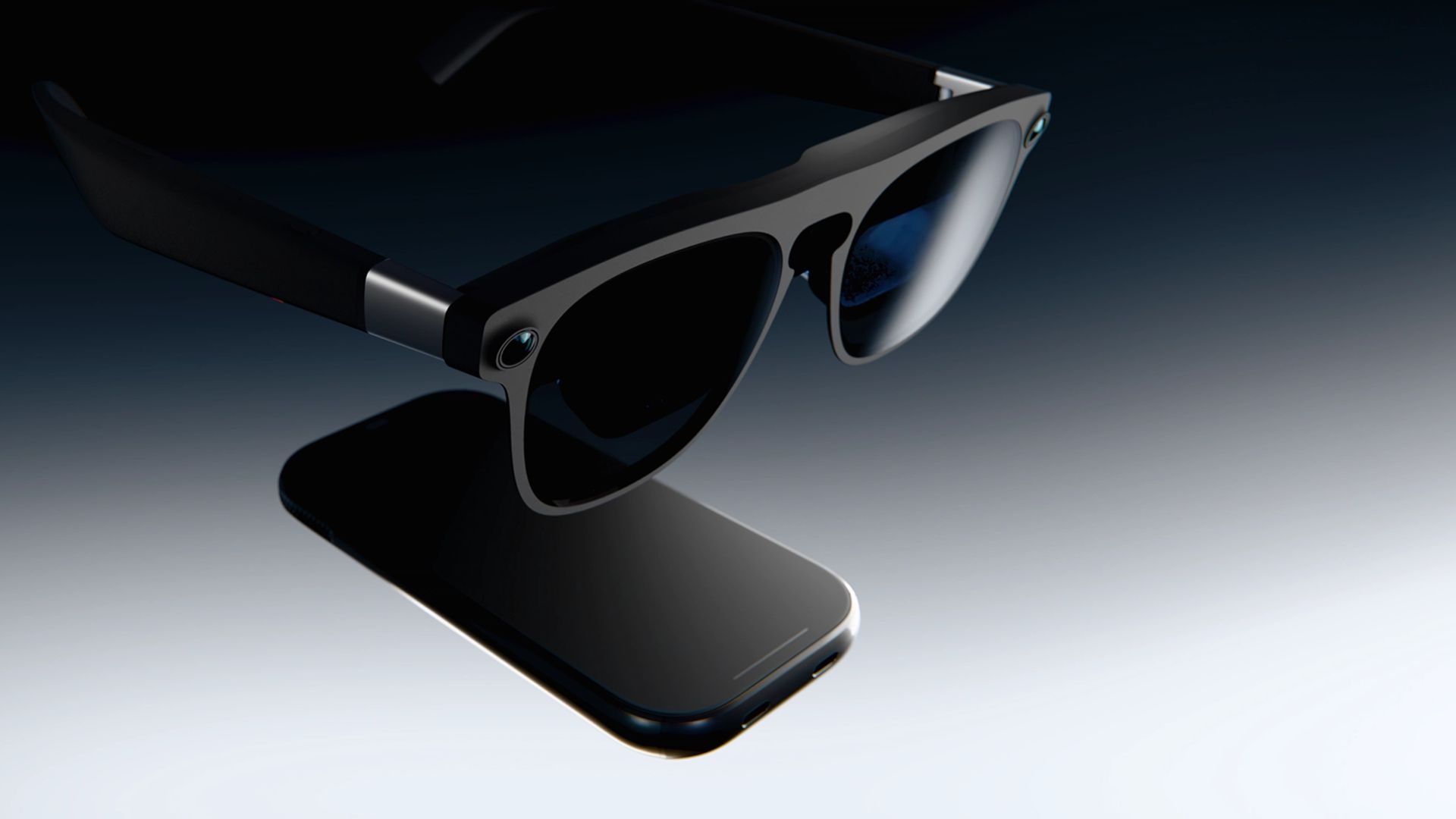
Unlike the audio glasses that Google showed off earlier today, these glasses won’t be able to run the full Android XR experience without a wired connection due to the processing limitations. Talking about processing, Qualcomm will supply the chip for the Xreal Project Aura smart glasses, promising a dual-chip design which includes a Snapdragon silicon as well as a custom X1S processor. 

Nadeem Sarwar
Nadeem is the Managing Editor at Digital Trends.
Wear OS 7 promises 10% better battery life and adds Gemini Intelligence… for select 2026 models
Limiting Gemini Intelligence to select future watches while existing Pixel Watch owners wait is exactly the kind of fine print that turns a promising announcement into a frustrating one.
Sphere, Person, Gauge

Google announced Wear OS 7 at I/O 2026, and for the Pixel Watch owners who have spent years watching Apple pile features onto watchOS, this one might feel like redemption. 

The latest Wear OS update promises up to 10% better battery life compared to Wear OS 6, which is meaningful for a device where every hour of battery life counts. And, more importantly, Gemini Intelligence is coming to Pixel Watches later this year (with an asterisk the size of a watch face).

Read more
Google shows off Android audio glasses designed by Gentle Monster and Warby Parker
Designed in collaboration with Warby Parker and Gentle Monster, the smart glasses will arrive later this year.
Gemini smart glasses.

At the I/O 2026 Developer Conference, Google gave us our first look at the upcoming Gemini-powered Intelligent Eyewear. Running atop the Android XR stack, these glasses have been developed in collaboration with Samsung and Qualcomm, while the design DNA has been developed by Gentle Monster and Warby Parker. The partner is similar to the work that Meta has done with its own smart glasses, which started with a partnership with Ray-Ban and later expanded to Oakley, as well. 

Google is calling them audio glasses because they don't come with a built-in screen, and most of the interactions that you will have with Gemini will be through voice and audio inputs. There are two cameras on the front of these smart glasses for image capture and understanding the world around you. And based on what Gemini sees through the camera, you will be able to ask questions. 

Read more
The Marshall Milton ANC cost $229, last 80 hours, and have a replaceable battery
Marshall priced the Milton ANC at $229 and gave it features that Sony and Bose reserve for their premium tier: a replaceable battery, adaptive ANC, LDAC, and 80 hours of playtime.
Marshall Milton ANC launched in USA.

Marshall has a habit of making headphones that look like someone left them backstage at a 1970s rock concert, and the new Milton ANC continue that tradition. Even if I leave aesthetics for a moment, what’s inside the headphones is genuinely hard to argue with at $229. 

Announced on May 19, 2026, the Milton ANC are available via Marshall’s website. These are the company’s first on-ear headphones with adaptive noise cancellation, landing between the Major V ($149) and the Monitor III ANC ($349) in Marshall’s lineup. 

Read more