  1. Home
  2. Phones
  3. News

Spotify will let you use AI to make covers and remixes of your favourite songs, for an extra fee

Spotify and Universal Music are making AI-generated covers and remixes an official feature.

Add as a preferred source on Google
spotify-ai-remix-cover-songs
Felirbe / Unsplash

If you have ever wished you could hear your favourite song in a completely different style, or put your own spin on it? Spotify is about to make that happen. The streaming platform announced a new AI-powered tool that will let Premium subscribers create covers and remixes of songs from participating artists.

The tool comes out of a landmark licensing deal between Spotify and Universal Music Group, the world’s largest music company, whose roster includes Taylor Swift, Billie Eilish, Sabrina Carpenter, and Post Malone. It will launch as a paid add-on for Premium subscribers, though no release date or exact pricing details have been confirmed yet.

How will Spotify’s AI cover and remix tool work for fans and artists?

The new feature lets fans use generative AI to produce their own versions of licensed songs and share them on the platform. Artists who opt into the program will collect royalties on any AI-generated covers or remixes made from their music, creating a new revenue stream on top of what they already earn from regular streams.

Recommended Videos

Artists can also choose to opt out entirely. Spotify Co-CEO Alex Norström described the tool as being built on consent, credit, and compensation.

What makes this different from the AI music already on Spotify?
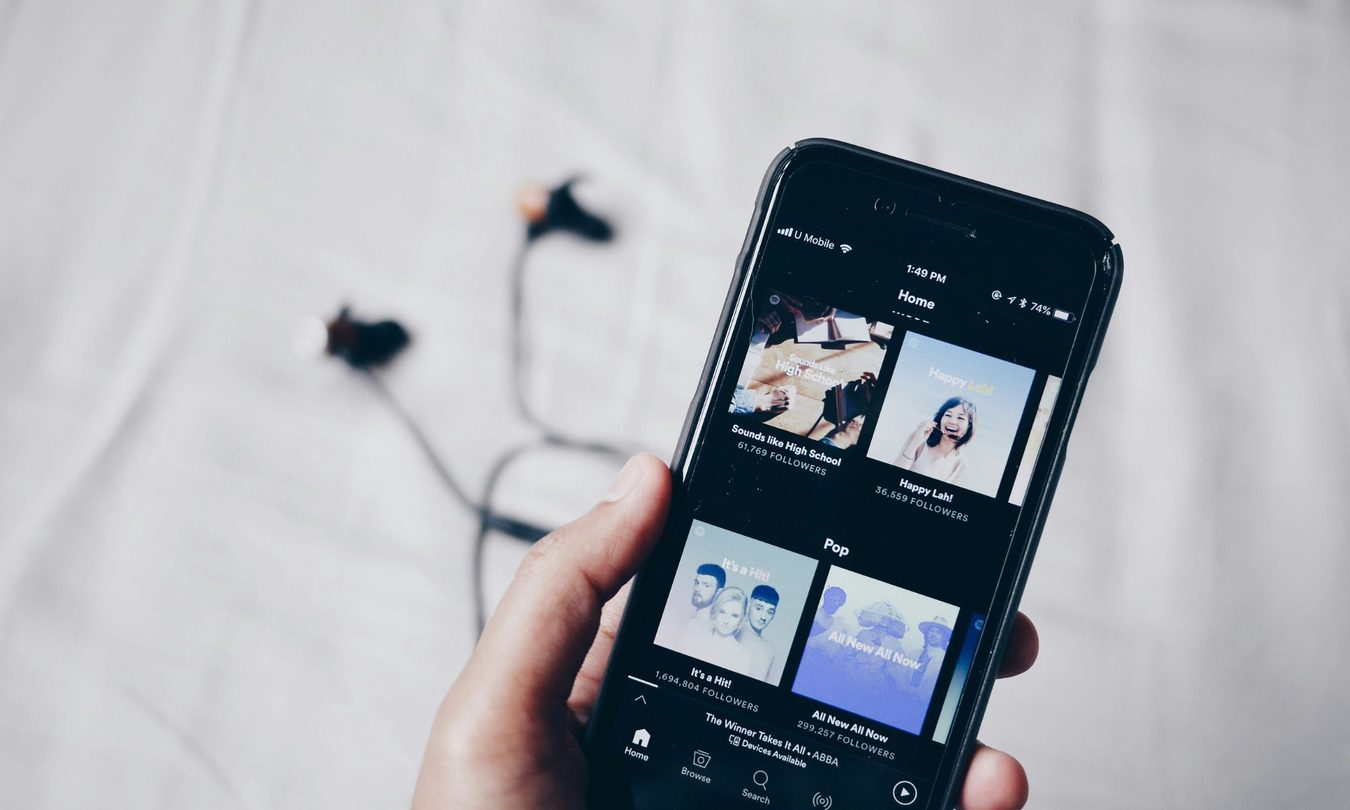
Spotify has faced criticism for AI-generated content flooding its library. The platform removed 75 million spammy tracks last year before introducing AI content tagging.

This one tries a different angle though, putting AI in the hands of fans while making sure artists stay in control and actually get paid for it.

Whether people will embrace AI remixes or treat them the same way they have treated the wave of AI slop already clogging up streaming platforms, remains to be seen.

Spotify also added verified podcast badges recently to help listeners tell real hosts apart from AI clones, and gave artists more control over how AI-generated content appears alongside their music.

Manisha Priyadarshini
Manisha Priyadarshini is a tech and entertainment writer with over nine years of editorial experience.
HMD, once the house of Nokia, debuts shameless iPhone 17 Pro copycat and calls it “futuristic”
A budget 5G phone with a very Apple-like back has launched in India
HMD Smartphone

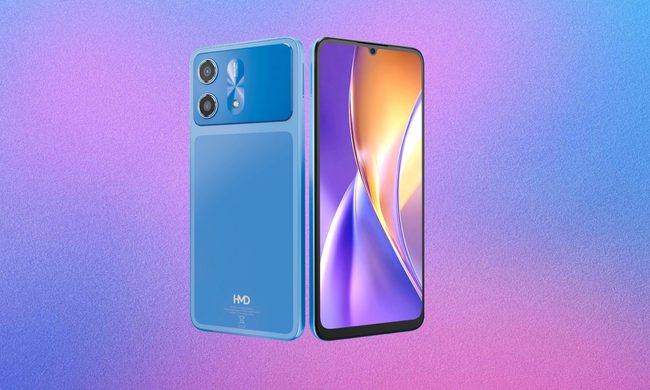
Finnish smartphone brand HMD has launched a new budget phone in India, and it looks quite familiar. The phone is called the HMD Vibe 2 5G, and its back panel appears to take more than just inspiration from the iPhone 17 Pro. It has a wide camera bar stretching across much of the upper rear panel, just like Apple’s latest Pro iPhone, but with only two cameras instead of three.

A very familiar kind of futuristic

Read more
Motorola’s new Razr lineup just kicked off a carrier freebie war in the US
T-Mobile is giving away the Razr Fold, while Verizon is tossing in Moto freebies
Motorola Razr Fold hinge mechanism in proper view

Motorola's latest smartphones are getting some sweet carrier deals. From the latest foldables to the budget models, the company is starting promotions on two major US carriers, although the approach is slightly different. T-Mobile is leaning hard into the first-ever Motorola Razr Fold, while Verizon is making the regular Motorola Razr 2026 and Moto G 2026 easier to grab for customers who want something cheaper.

T-Mobile gets the flashiest Razr deal

Read more
Android 16 VPN bug turns apps installed on your phone into a leaky sink
Android 16 has a bug that lets apps bypass your VPN and leak your real IP address.
Android 16 logo on Google Pixel 6a standing on a table.

That VPN you are running on your Android 16 device may not be doing as much as you think. A newly discovered bug in Android 16 allows any app on your device to send traffic outside your VPN tunnel, exposing your real IP address to the internet, regardless of which VPN you use or how locked down your settings are.

The vulnerability was first reported by a Zurich-based security engineer going by the handle @cybaqkebm, and was later flagged by VPN provider Mullvad, which confirmed the bug affects all VPN apps on Android 16, not just its own.

Read more