  1. Home
  2. Emerging Tech
  3. Phones
  4. News

Magic Cue, one of the smartest Android features on the Pixel phones, is coming to more apps

Google's most underused Pixel 10 feature is finally getting the third-party reach and redesign it needed to become the proactive AI assistant it was always supposed to be.

Add as a preferred source on Google
Magic Cue Settings splash screen on the Google Pixel 10 Pro in Obsidian
Nirave Gondhia / Digital Trends
Sundar Pichai stands in front of a Google logo at Google I/O 2021.
This story is part of our complete Google I/O coverage
Updated less than 2 hours ago

Magic Cue, I’d say, was the kind of feature that made me excited about the Pixel 10 launch. However, after the on-stage demo, the feature hardly showed up in day-to-day usage, much less in a useful way.  

Google apparently noticed. At I/O 2026, the company quietly announced that the feature is getting an expansion, along with a possible redesign. While it wasn’t the headline announcement, it could surely be something that makes Pixel 10 users excited again. 
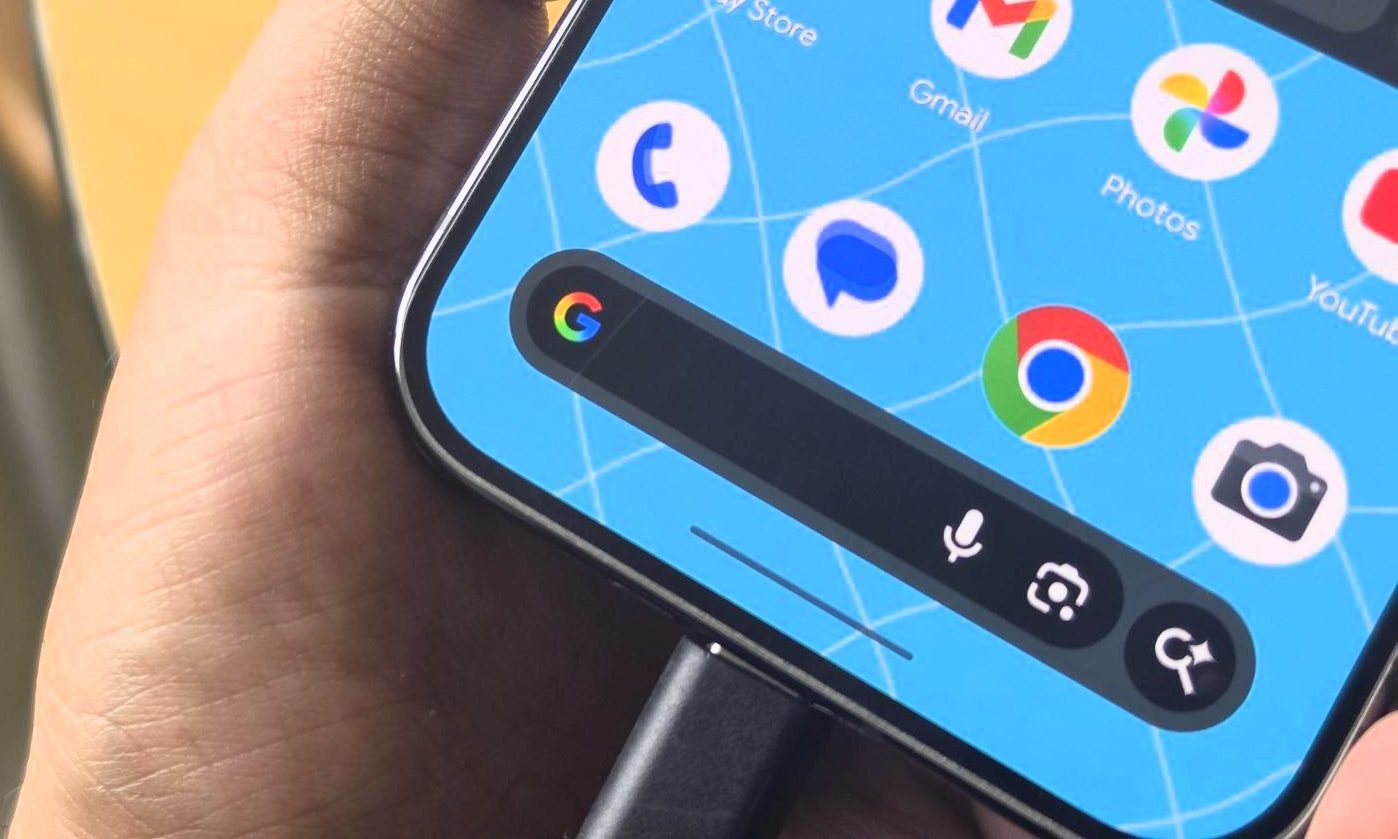
What is Magic Cue doing differently now?

The core idea behind the feature hasn’t changed. It runs entirely on-device, reads context from your app usage, and surfaces relevant information (as a prediction) before you even look for it. What’s new, however, is that the feature is breaking out of Google’s own app ecosystem. 

Recommended Videos

For now, Snapchat is the first third-party integration, with Google strongly implying that more apps are in the pipeline. Even though this is a good sign, neither of the companies has shared a rollout timeline. 

Separately, 9to5Google previously spotted Magic Cue’s integration in Google Wallet and Google Tasks, which would make the feature substantially more helpful on a day-to-day basis. Imagine boarding passes surfacing at the right moment rather than demanding a separate app check.
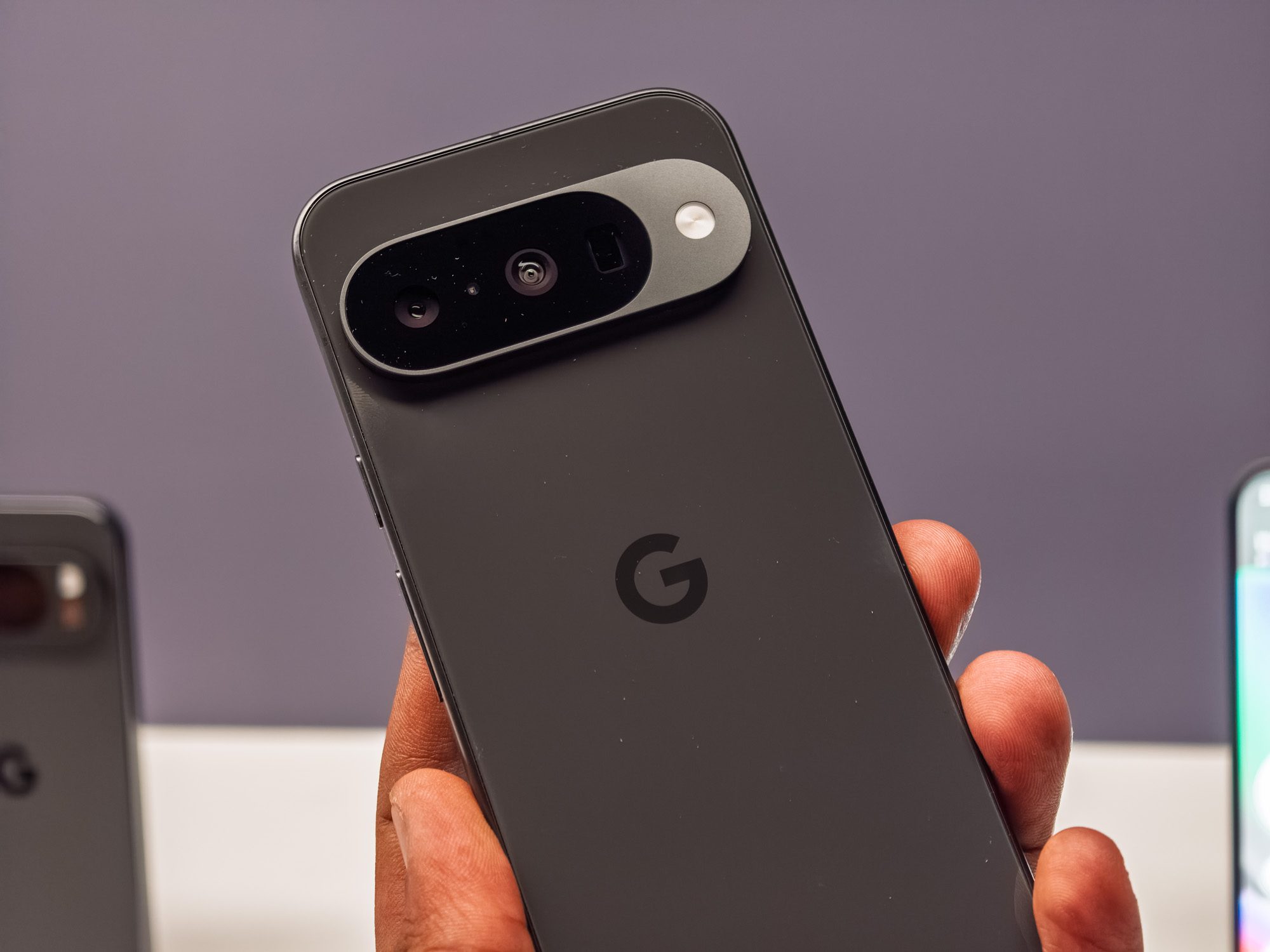
Does the redesign actually matter?

Yes, it does. Previously, Magic Cue suggestions appeared inside whichever app you were using; the feature only worked in apps that supported it. That locked out most third-party keyboards completely.

The new design changes that. Magic Cue suggestions will surface in a small bar that floats at the bottom of the screen, outside any app’s interface, like how Gemini assistant and Circle to Search show up on Android phones.

Because it now operates at the system level, it should work irrespective of which app or keyboard you are using, which is something that users have been asking since launch. Google hasn’t confirmed this directly, but it is the most likely outcome of the repositioning.

To me, this sounds like a promising update to a feature that arrived with a great promise, but ended up underdelivering.

Shikhar Mehrotra
For more than five years, Shikhar has consistently simplified developments in the field of consumer tech and presented them…
This robot barista is trying to turn championship coffee into a scalable business
Beverage, Coffee, Coffee Cup

Some ideas sound theoretical until they appear in a place as ordinary as your morning coffee. Artly is trying to answer that question with Jarvis, its robotic barista system that is already serving drinks at locations including Muji in Portland, Oregon. The company is attempting to take something that has traditionally depended on human skill, repetition, and instinct, then translate it into a system that can reproduce the same result consistently at scale.

What makes Jarvis more interesting than a standard automation story is that Artly is not trying to build the coffee equivalent of a vending machine. Its goal is to replicate the techniques, standards, and workflow of a world class barista closely enough that the experience still feels intentional rather than automated. According to Digital Trends founder Dan Gaul, who visited the Portland location to try it firsthand, the coffee itself was surprisingly good.

Read more
A caring robot just won a silver medal at one of the world’s biggest flower shows
Robocrops Chelsea show

When you think of the Chelsea Flower Show, robots are probably the last thing on your mind. Yet, the University of Lincoln showed up with exactly that and walked away with a Silver Gilt medal.

The exhibit, RoboCrops: Plant Selection, Beyond the Visible, was put together by the University's Lincoln Institute for Agri-Food Technology, or LIAT, and placed right in the show's GreenSTEM zone. That's the section dedicated to exhibitions exploring the intersection of horticulture, science, technology, and the environment.

Read more
Research shows educational institutes must not put too much faith in AI text detectors
A UF study shows these tools are so unreliable that the entire evidentiary basis for claims about AI-generated academic writing may need to be reconsidered from scratch.
Man using ChatGPT on a laptop

Here’s an uncomfortable thought for every academic institution currently using AI detectors to police student and researcher submissions: the tools don't work as reliably as institutions assume. 

A paper presented at this week’s 2026 IEEE Symposium on Security and Privacy by researchers at the University of Florida concludes that commercially available AI-generated text detectors are “poorly suited for deployment in academic or high-stakes contexts.”

Read more